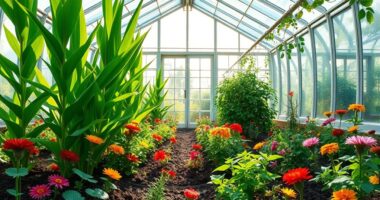
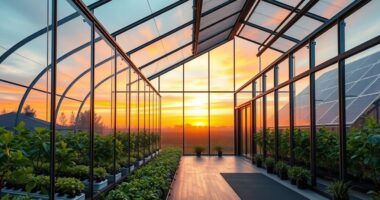
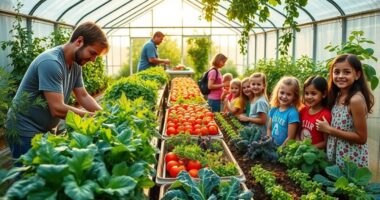
Transforming vacant lots into community greenhouses lets you turn unused urban spaces into lively areas for growing fresh food. You can boost local food production, improve neighborhood ties, and create educational opportunities while promoting sustainability. These greenhouses help reduce food insecurity and foster social engagement, making your community stronger and more resilient. If you want to discover how these projects can reshape your neighborhood, there’s plenty more to explore below.
Key Takeaways
- Vacant lots can be repurposed into greenhouses to increase local food production and community engagement.
- Greenhouses extend growing seasons, improve crop yields, and promote sustainable urban agriculture practices.
- Community involvement in greenhouse projects fosters social cohesion, shared knowledge, and neighborhood ownership.
- Converting vacant land into greenhouses creates economic opportunities through job creation and local market development.
- Transforming vacant lots enhances neighborhood vitality, resilience, and long-term sustainability of urban communities.
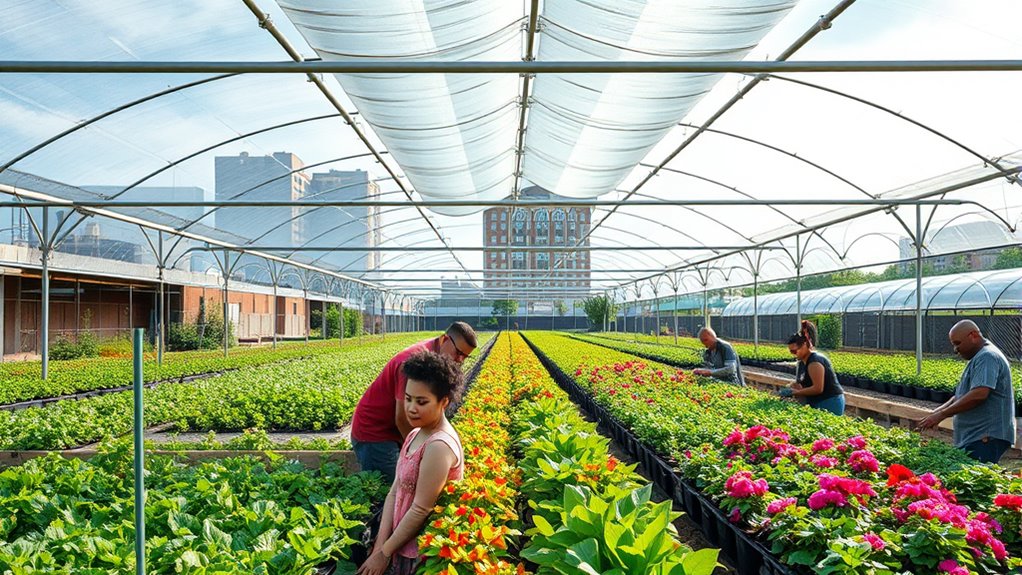
Many vacant lots sit unused in urban areas, but they hold the potential to become vibrant greenhouses that boost local food production and community engagement. Transforming these spaces into greenhouses offers a practical way to promote urban agriculture, which not only supplies fresh produce but also strengthens neighborhood ties. When you repurpose abandoned land into a thriving greenhouse, you create a hub where residents can collaborate, share knowledge, and take pride in growing their own food. This kind of community engagement fosters a sense of ownership and collective responsibility, making neighborhoods more resilient and connected.
Vacant urban lots can become vibrant greenhouses fostering community, growth, and resilience.
Urban agriculture is at the heart of this transformation. It allows you to utilize underused land efficiently, turning vacant lots into productive spaces that yield fruits, vegetables, and herbs. By establishing greenhouses, you extend growing seasons and improve crop yields, even in cities with limited space and challenging climates. These greenhouses can be designed to maximize sunlight and use sustainable practices, ensuring that food production is environmentally friendly and sustainable over the long term. Your efforts not only address food insecurity but also create educational opportunities for local schools and community groups, inspiring a new generation to value sustainable farming.
As you develop community greenhouses, you become a catalyst for social change. People who might not typically connect—such as seniors, youth, and newcomers—find common ground in tending the plants together. Regular gardening activities foster relationships, reduce social isolation, and build trust among neighbors. Additionally, community engagement is amplified when local residents participate in decision-making, planning, and managing the greenhouse. This inclusive approach ensures the space reflects the needs and desires of the community, making it more likely to thrive and be maintained over time.
Furthermore, transforming vacant lots into greenhouses can stimulate local economies. You create jobs related to construction, maintenance, and education. Small businesses can flourish around the produce grown, selling fresh goods directly to consumers or at farmers’ markets. The greenhouses also serve as community centers, hosting workshops, cooking classes, and sustainable farming initiatives, which further invigorate the neighborhood and encourage a culture of self-sufficiency.
In essence, turning vacant lots into greenhouses is a powerful way to revitalize urban environments. It promotes urban agriculture, enhances community engagement, and provides tangible benefits like better food security and social cohesion. When you invest in these green spaces, you’re not just growing plants—you’re cultivating stronger, healthier communities that thrive on collective effort and shared success.
Frequently Asked Questions
How Much Does It Typically Cost to Convert a Vacant Lot Into a Greenhouse?
The cost to convert a vacant lot into a greenhouse typically ranges from $10,000 to $50,000, depending on size and materials. You should do a thorough cost analysis and budget planning to cover site preparation, building structures, ventilation, and utilities. Keep in mind, investing in quality materials can save money long-term by reducing maintenance costs. Proper planning guarantees your project stays within budget and meets your community’s needs.
What Permits Are Needed for Constructing Community Greenhouses?
Imagine opening a door to a thriving green oasis; to do this, you need the right permits. You’ll typically require approvals related to zoning regulations and building codes, ensuring your greenhouse meets safety and land use standards. Contact your local planning department to get specific details. Securing these permits guarantees your community greenhouses grow legally, safely, and sustainably, turning your vision into a flourishing reality.
How Can Communities Fund These Greenhouse Projects?
You can fund your community greenhouse projects through various funding sources like local government grants, nonprofit organizations, and community fundraising events. Look for grant opportunities focused on urban agriculture, sustainability, or community development, which can provide essential financial support. Additionally, consider partnering with local businesses or applying for crowdfunding campaigns. By exploring these options, you’ll increase your chances of securing the funding needed to bring your greenhouse vision to life.
What Are the Best Plants to Grow in Community Greenhouses?
Imagine you’re growing vibrant lettuce and herbs in your community greenhouse, just like urban farmers in Detroit. When it comes to plant selection, leafy greens, herbs, and tomatoes thrive best indoors. These plants grow quickly, require minimal space, and are popular with local residents. By choosing versatile, high-yield crops, you support urban farming initiatives and guarantee your greenhouse remains productive year-round, benefiting your entire community.
How Long Does It Take to Establish a Fully Operational Greenhouse?
It usually takes about one to two growing seasons to establish a fully operational greenhouse, depending on your climate considerations. If you have a mild climate, you might get it up and running faster, while colder areas may require additional time for heating systems and acclimatization. Planning ahead and understanding your local growing seasons will help you set realistic timelines, ensuring your greenhouse becomes productive sooner.
Conclusion
So, next time you walk past a neglected lot, just imagine it bursting with lush greenhouses instead of weeds. Who needs fancy urban parks when you can grow tomatoes and dreams in every empty space? With a little effort, those vacant lots could become the hottest spots in town—literally. So go ahead, dream big, and turn those abandoned patches into thriving green havens. After all, what’s more exciting than a city full of secret gardens?