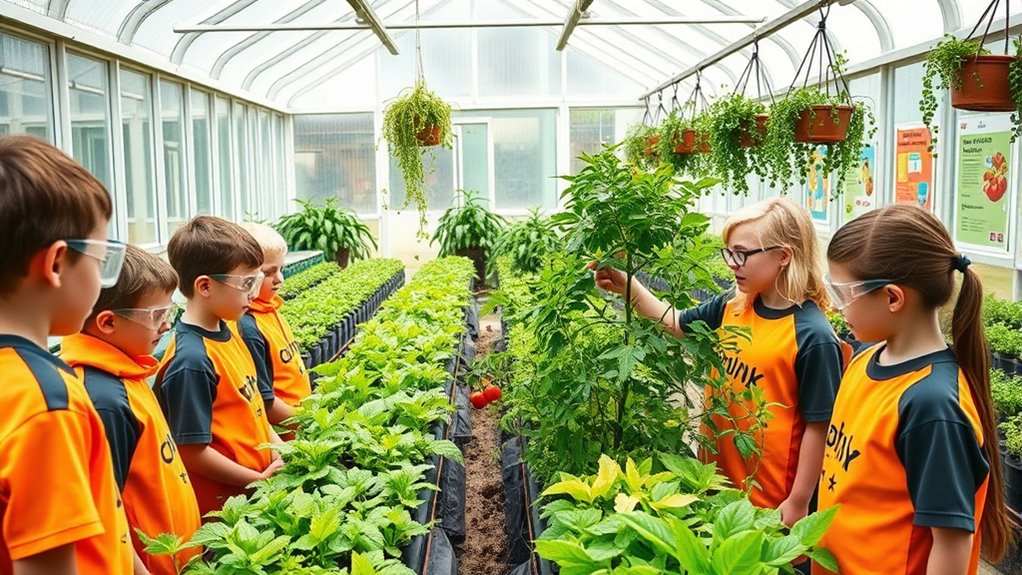
To set up a greenhouse for educational outreach, focus on integrating sustainable design principles like energy-efficient systems, rainwater harvesting, and eco-friendly materials. Make sure the space is engaging with accessible planting beds, clear signage, and hands-on activities that promote active participation. Use technology such as sensors and climate controls to monitor growth and foster critical thinking. Involving students in the planning and maintenance creates ownership and a vibrant learning environment—keep exploring to discover how to make your greenhouse inspiring and impactful.

Get garden gear delivered free with Prime
- Fast, free delivery on millions of items
- Prime Video, Amazon Music and more included
- Member-only deals all year
Key Takeaways
- Incorporate sustainable design features like energy-efficient systems and rainwater harvesting to model environmental responsibility.
- Design accessible, interactive spaces with planting beds, signage, and hands-on activities to engage students actively.
- Integrate technology such as sensors and climate controls for real-time monitoring and data-driven learning experiences.
- Involve students in planning, planting, and maintaining the greenhouse to foster ownership and ongoing interest.
- Use the greenhouse as an educational tool to demonstrate eco-friendly practices, ecological relationships, and sustainable principles.
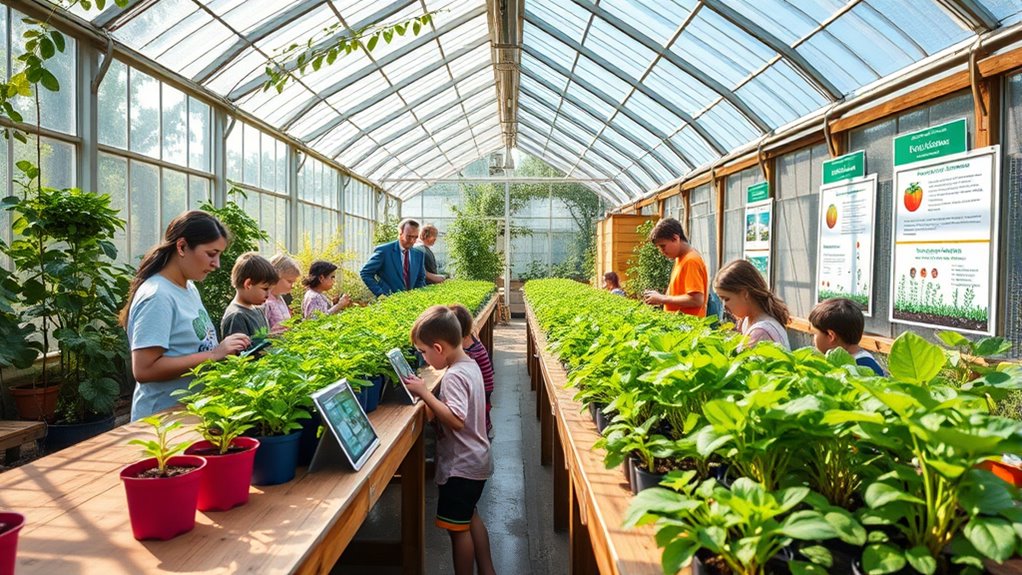
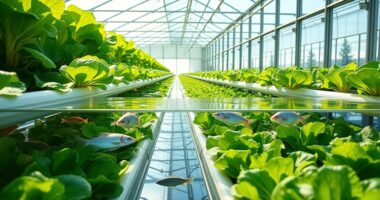
Greenhouses have become powerful tools for educational outreach, offering students hands-on experiences with plant biology, ecology, and sustainability. When setting up a greenhouse for educational purposes, focusing on sustainable design is essential. Sustainable design ensures that your greenhouse minimizes environmental impact while providing an effective learning environment. Use energy-efficient systems such as solar panels, natural ventilation, and insulated glazing to reduce energy consumption. Incorporate rainwater harvesting and composting to promote waste reduction and resource conservation. These elements not only demonstrate eco-friendly practices but also serve as practical lessons for students on sustainability in action. By prioritizing sustainable principles from the start, you create a model for responsible environmental stewardship that students can emulate.
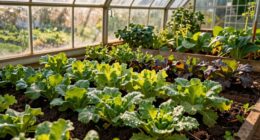
Your goal should be to foster high levels of student engagement. To achieve this, design the greenhouse space with interactive learning in mind. Include accessible planting beds, modular shelving, and clear pathways that invite students to participate actively. Incorporate hands-on activities like seed starting, watering, and pest management to keep students involved in daily maintenance. Use visual aids and informational signage to explain sustainable design features and ecological concepts. The more students can touch, see, and do, the deeper their understanding becomes. Engaged learners are more likely to develop a lasting interest in environmental science and sustainability, so ensure that the setup encourages curiosity and participation at every level.
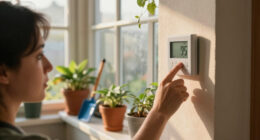
Additionally, consider integrating technology to enhance student engagement. Digital sensors, climate controls, and data collection tools can turn the greenhouse into a real-world laboratory. Students can monitor temperature, humidity, and plant growth, analyzing data to understand ecological relationships. This approach makes learning more dynamic and relevant to contemporary scientific practices. It also helps students develop critical thinking skills as they interpret results and troubleshoot issues. To sustain their interest, rotate seasonal projects or introduce themed planting experiments tied to curriculum topics.
Furthermore, utilizing sustainable design principles can significantly improve the overall educational experience by demonstrating environmentally responsible practices firsthand. Finally, involve students in the planning process whenever possible. Ask for their input on plant selections, layout, and features to foster a sense of ownership. When students feel invested in the greenhouse, they’re more motivated to care for it and participate actively. Maintaining a well-organized, visually inviting space that reflects their contributions encourages ongoing engagement. By emphasizing sustainable design and creating opportunities for hands-on involvement, you’ll transform your greenhouse into a vibrant hub of learning that inspires environmental responsibility and lifelong curiosity.
solar-powered greenhouse climate control system
As an affiliate, we earn on qualifying purchases.
As an affiliate, we earn on qualifying purchases.
Frequently Asked Questions
How Do I Choose the Best Location for a Greenhouse?
You should prioritize site selection by choosing a location with ample sunlight, ideally facing south to maximize light exposure. Environmental considerations are vital, so avoid areas prone to strong winds, flooding, or shade from trees or buildings. Make certain of easy access for students and staff, and verify the soil quality if your greenhouse will have a foundation. Proper site selection enhances plant growth and makes maintenance easier, creating a successful educational outreach greenhouse.
What Safety Precautions Are Necessary for Students?
Imagine a student accidentally touches a hot surface in the greenhouse. You should emphasize hazard awareness and require safety gear like gloves and goggles to prevent injuries. Always supervise activities closely and guarantee students are trained on potential risks. Regularly inspect equipment and the environment for hazards, and enforce safety rules consistently. By doing so, you create a safe learning space where students can explore and grow confidently.
How Can I Fund a Greenhouse Project?
You can fund your greenhouse project by exploring sponsorship opportunities with local businesses and community organizations. Applying for grants is also a great option; focus on clear, detailed grant application tips like outlining your project’s educational impact and budget. Reach out to potential sponsors early, personalize your proposals, and demonstrate how their support benefits the community. This proactive approach can secure the funds needed to successfully set up your greenhouse.
What Are the Maintenance Requirements for a Greenhouse?
Think of your greenhouse as a living organism needing care. You’ll need to regularly check and clean ventilation systems to guarantee proper airflow, preventing overheating and mold. Pest control is vital—inspect plants often and use integrated methods to keep pests at bay. Water your plants appropriately and monitor soil health. Routine maintenance keeps your greenhouse thriving, just like tending a garden ensures a bountiful harvest.
How Can I Integrate Technology Into Greenhouse Education?
You can integrate technology into greenhouse education by installing smart sensors to monitor temperature, humidity, and soil conditions in real-time, making learning interactive and data-driven. Additionally, offer virtual tours of the greenhouse to engage students remotely, allowing them to explore plant growth stages and environmental controls from anywhere. These tools make your program more dynamic and accessible, fostering a deeper understanding of sustainable agriculture and greenhouse management.
Conclusion
By setting up a greenhouse for your outreach program, you’re planting seeds of curiosity and nurturing growth. Think of your greenhouse as a vibrant classroom where young minds bloom like spring flowers, soaking up knowledge like sunlight. With each lesson, you’re watering their passion for science and nature, helping ideas sprout into future innovations. Embrace this green haven, and watch as your efforts blossom into a garden of endless possibilities and inspired learners.
Fall yard work Picks
leaf blowers
As an affiliate, we earn on qualifying purchases.