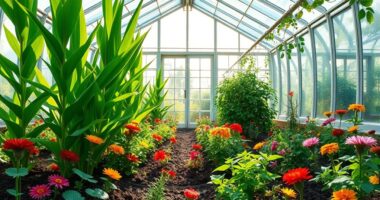
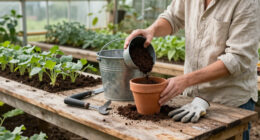
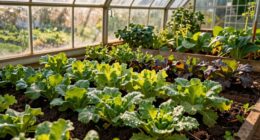
Volunteering at a community greenhouse lets you actively support environmental sustainability while gaining practical experience in eco-friendly practices like composting, water conservation, and organic pest control. You’ll help propagate plants using methods such as seed starting, cuttings, and grafting, which benefits local ecosystems and promotes biodiversity. Plus, you’ll connect with others who share a passion for conservation and community building. Keep exploring to discover how your efforts can make a meaningful environmental impact.

Get garden gear delivered free with Prime
- Fast, free delivery on millions of items
- Prime Video, Amazon Music and more included
- Member-only deals all year
Key Takeaways
- Engage in sustainable practices like composting, water conservation, and organic pest control to support environmental health.
- Learn plant propagation techniques such as seed starting, cuttings, and grafting through hands-on experience.
- Contribute to community well-being by helping create healthier ecosystems and urban greening initiatives.
- Gain knowledge about plant biology, growth cycles, and eco-friendly nursery management.
- Foster community connections and shared responsibility for environmental conservation efforts.

Volunteering at a community greenhouse offers a rewarding way to connect with nature and give back to your local area. When you step into this environment, you become part of a collective effort to promote sustainable practices that benefit both the environment and your community. Greenhouses are hubs for learning and practicing eco-friendly techniques, especially in areas like plant propagation, which is essential for maintaining healthy plant populations and reducing the need for commercially grown plants that often rely on harmful practices. Your involvement allows you to actively participate in these sustainable strategies, helping to guarantee that plants are propagated responsibly and efficiently.
Volunteering at a greenhouse fosters community, sustainability, and hands-on learning in eco-friendly plant propagation techniques.
As a volunteer, you’ll learn how to use sustainable practices such as composting, water conservation, and organic pest control. These methods minimize environmental impact and set an example for others to follow. When it comes to plant propagation, you’ll discover various techniques like seed starting, cuttings, and grafting. These practices not only help multiply plants but also ensure genetic diversity, which is vital for resilient ecosystems. Your role might involve preparing soil mixes, watering seedlings, or assisting with the collection and sowing of seeds. Every task you perform supports the greenhouse’s mission to produce healthy, sustainable plants that can be transplanted into local gardens or distributed to community members.
Participating in plant propagation projects also offers a hands-on approach to learning about plant biology and growth cycles. You might find yourself experimenting with different propagation methods to see what works best for specific plant species. This practical experience boosts your understanding of how plants reproduce naturally, and how to replicate those processes in a controlled environment. Through this work, you contribute to the creation of a sustainable nursery that reduces reliance on external sources of plants, which often come with high environmental costs.
Furthermore, volunteering at the greenhouse helps foster a sense of community and shared responsibility. You’ll meet like-minded individuals who are passionate about conservation and sustainable living. Together, you can brainstorm ideas for expanding propagation efforts or introducing new eco-friendly practices. Over time, your efforts contribute to healthier local ecosystems, as the plants you help propagate can improve air quality, provide habitat for wildlife, and support urban greening initiatives.
As an affiliate, we earn on qualifying purchases.
Frequently Asked Questions
What Skills Are Needed to Volunteer at a Greenhouse?
You need basic plant care skills and knowledge of greenhouse maintenance to volunteer effectively. Being comfortable with watering, pruning, and identifying plant needs helps guarantee healthy growth. Attention to detail is important for tasks like cleaning and organizing. Also, teamwork and a willingness to learn make you a valuable volunteer. With these skills, you’ll contribute to a thriving greenhouse environment and gain hands-on experience in sustainable gardening.
Are There Age Restrictions for Volunteers?
You can typically volunteer at a community greenhouse regardless of age, as many programs welcome youth and senior volunteers. Youth programs often offer tailored opportunities to get kids involved, while senior volunteer opportunities provide meaningful ways for older adults to contribute. Check with your local greenhouse for specific age restrictions, but most aim to include a diverse age range, encouraging everyone to help nurture plants and communities alike.
How Can I Become a Regular Volunteer?
You can become a regular volunteer by simply signing up through the community greenhouse’s website or visiting in person. Your involvement boosts community engagement and helps create a positive environmental impact. Sometimes, a chance encounter with a staff member leads to ongoing opportunities. Stay committed, show enthusiasm, and attend scheduled events. Over time, your consistent effort will make you a valued part of the team, making a real difference for the environment and your community.
Is Prior Gardening Experience Required?
You don’t need prior gardening experience to volunteer at a community greenhouse. Your gardening knowledge and plant care techniques will grow as you participate. The staff and other volunteers are happy to teach you, so focus on your willingness to learn and contribute. Whether you’re a beginner or experienced, your enthusiasm and dedication matter most, and you’ll gain valuable skills while helping support the greenhouse’s mission.
What Safety Measures Are in Place for Volunteers?
You’ll find that safety measures prioritize hazard prevention and include thorough safety training. Before volunteering, you’ll receive instructions on proper handling of tools and equipment, as well as how to identify potential hazards. The greenhouse maintains clear protocols for emergency situations and guarantees all volunteers understand safety procedures. This proactive approach helps keep everyone safe while allowing you to focus on your gardening tasks confidently and securely.
Conclusion
Volunteering at a community greenhouse not only helps your local environment but also boosts your well-being. Did you know that over 70% of volunteers report feeling happier and more connected? By dedicating a few hours, you contribute to growing fresh food and fostering community spirit. So, why not join in? Your hands can make a real difference, and you’ll enjoy the rewarding feeling of nurturing both plants and relationships.
Fall yard work Picks
leaf blowers
As an affiliate, we earn on qualifying purchases.