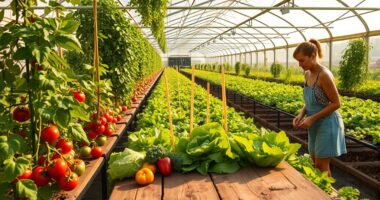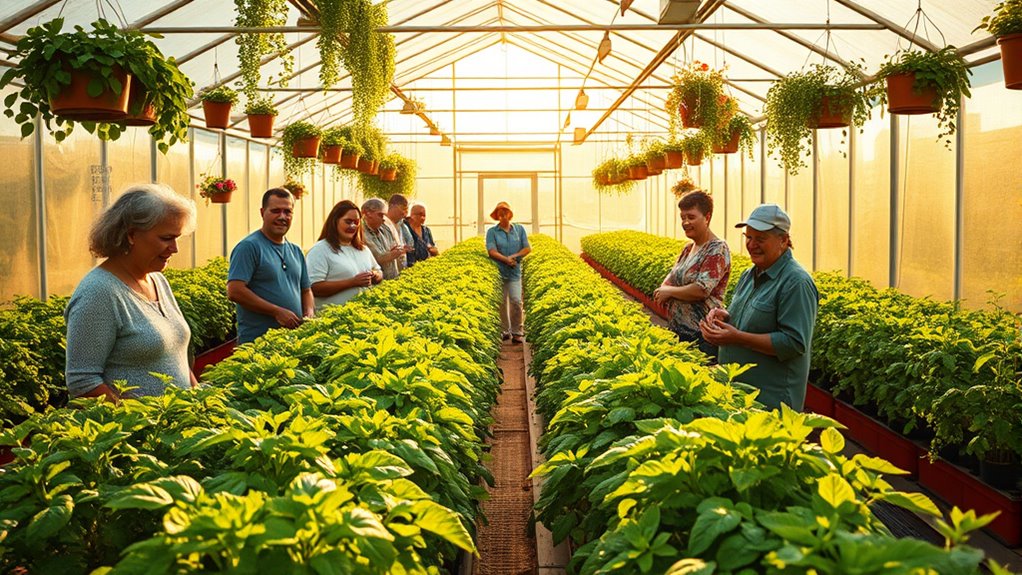

Greenhouses boost your community’s resilience by providing fresh, local food during emergencies and supply chain disruptions, reducing dependence on distant markets. They also create opportunities for residents to grow together, strengthening social bonds and fostering a sense of ownership. Engaging in shared activities and learning about sustainable practices empower your community to adapt and recover more quickly from crises. Discover how these green spaces can help build a stronger, more connected neighborhood.
Open a free Amazon Business account
Business pricing, bulk buying and tax-exempt orders.
As an affiliate, we earn on qualifying purchases.
Key Takeaways
- Greenhouses ensure local food production, reducing reliance on external supply chains during crises.
- They foster community participation, strengthening social bonds through shared gardening activities.
- Greenhouses promote mental well-being by providing therapeutic engagement and stress relief for residents.
- They create communal spaces for learning, collaboration, and social interaction, enhancing community cohesion.
- Greenhouses support sustainability and empowerment by educating residents and increasing self-sufficiency.
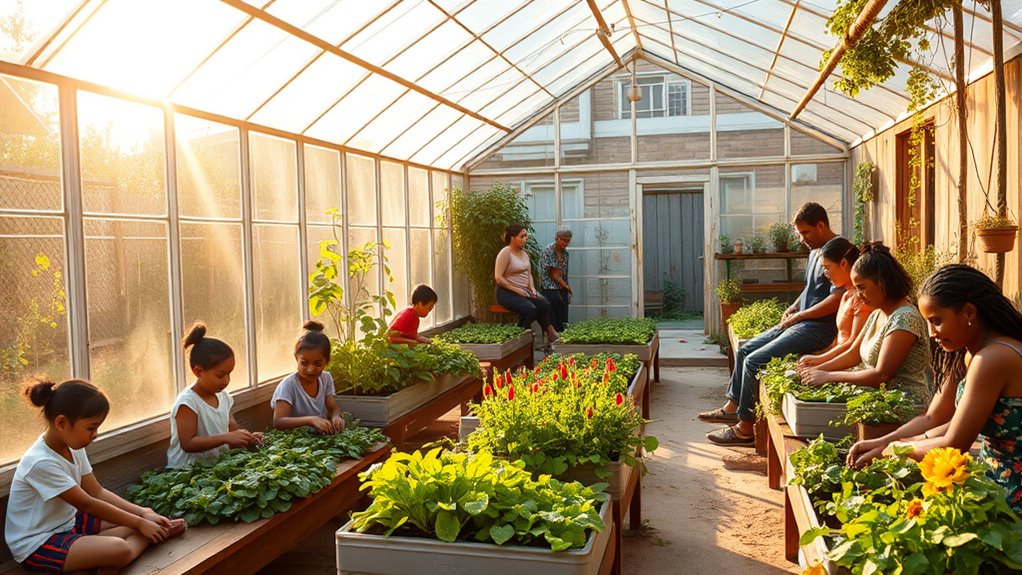
Greenhouses are transforming community resilience by providing reliable local food sources, especially during times of crisis. When traditional supply chains falter, urban farming within greenhouses ensures your community can still access fresh, nutritious produce. This local food production reduces dependence on distant markets, making your neighborhood more stable and self-sufficient. This, in turn, can help mitigate the impacts of economic downturns or disruptions in the supply chain. As a result, residents experience less food insecurity, which is essential during emergencies like natural disasters or economic downturns. Greenhouses also create opportunities for community members to participate directly in growing food, fostering a sense of ownership and collective effort. This shared involvement strengthens social bonds and encourages collaboration, fundamental components of resilience.
Beyond their impact on food security, greenhouses play a significant role in supporting mental health. Engaging in urban farming activities within a greenhouse offers a therapeutic escape from everyday stress. Tending plants, watching them grow, and harvesting crops can boost your mood and reduce anxiety. The act of nurturing life provides a sense of purpose and accomplishment, especially during challenging times. Greenhouses offer a calming environment where community members can connect with nature, even in urban settings. This connection helps combat feelings of isolation and promotes emotional well-being, which is essential when facing crises that strain mental health.
Furthermore, greenhouses serve as communal spaces that encourage social interaction and learning. Whether you’re volunteering, attending workshops, or simply sharing the harvest, these activities foster a sense of belonging. This communal atmosphere is fundamental for community resilience because it builds social capital—networks of support that can be relied upon during hardships. When neighbors come together around greenhouses, they create a resilient social fabric that can adapt to and recover from adversity more effectively.
Implementing urban farming in greenhouses also promotes education about sustainable practices and nutrition. As you learn to grow your own food, you become more aware of environmental impacts and healthier eating habits. This knowledge empowers individuals and communities to make informed decisions, further strengthening resilience. The sense of empowerment gained from growing food can translate into greater confidence in handling other community challenges. Vetted – Startup Sofa
greenhouse kits for community gardening
As an affiliate, we earn on qualifying purchases.
As an affiliate, we earn on qualifying purchases.
Frequently Asked Questions
How Do Greenhouses Improve Local Food Security During Crises?
Greenhouses boost local food security during crises by supporting urban agriculture, allowing you to grow fresh produce year-round regardless of external conditions. They help you maintain food sovereignty, giving you control over your food sources and reducing reliance on distant supply chains. By fostering community involvement, greenhouses guarantee everyone has access to nutritious foods, even in emergencies, strengthening resilience and making your community more self-sufficient during challenging times.
What Funding Options Are Available for Community Greenhouse Projects?
You can access funding for community greenhouse projects through grants and subsidies offered by government agencies, non-profits, and local organizations. Additionally, crowdfunding campaigns are a great way to rally community support and raise funds quickly. Combining these options increases your chances of securing necessary finances. Be sure to research eligibility criteria and prepare a compelling project proposal to attract donors and secure the funding needed to bring your greenhouse to life.
How Can Greenhouses Support Mental Health in Communities?
Have you noticed how tending to plants can boost your mood? Greenhouses support mental health benefits by providing a calming, nurturing environment where community members can connect. They encourage community engagement, reducing feelings of isolation and fostering shared purpose. In these lush spaces, you can find solace, inspiration, and a sense of belonging, making greenhouses powerful tools for enhancing mental well-being within your community.
What Training Is Needed to Operate a Community Greenhouse Effectively?
To operate a community greenhouse effectively, you need volunteer training that covers plant care, safety protocols, and community engagement. You should also learn equipment maintenance to keep tools and systems in good condition, preventing breakdowns. Regular workshops or hands-on sessions help build skills and confidence. By staying proactive with training and maintenance, you guarantee the greenhouse runs smoothly, fostering community resilience and providing a sustainable space for growth and connection.
How Do Greenhouses Adapt to Climate Change Impacts?
To adapt to climate change impacts, you should embrace technological innovations like climate-controlled systems and solar-powered heating. Incorporate climate adaptation strategies by upgrading your greenhouse insulation, installing rainwater harvesting, and utilizing shade cloths to manage temperature fluctuations. Regularly monitor weather patterns and adjust operations accordingly. These steps help your greenhouse remain resilient, ensuring continuous food production and community support despite changing climate conditions.
Conclusion
By embracing greenhouses, you not only grow fresh food but also cultivate stronger community bonds. While the plants thrive quietly inside, your community blossoms with shared effort and resilience. Greenhouses offer a calm sanctuary amid chaos, yet their impact ignites a powerful sense of unity. In nurturing these green spaces, you foster hope and connection, proving that sometimes, the smallest growth can lead to the strongest community resilience.
Fall Picks
fall essentials
As an affiliate, we earn on qualifying purchases.