
TL;DR

Get garden gear delivered free with Prime
- Fast, free delivery on millions of items
- Prime Video, Amazon Music and more included
- Member-only deals all year
Landscape designers are applying new color rules to make small gardens appear larger. These techniques involve strategic use of color to influence perception of space. The approach is gaining popularity in modern garden design.
Landscape designers are adopting innovative color strategies to enhance the perception of space in modern gardens, according to recent industry insights. This approach aims to make smaller outdoor areas feel larger and more open, responding to the rising demand for compact yet visually expansive gardens in urban and suburban settings.
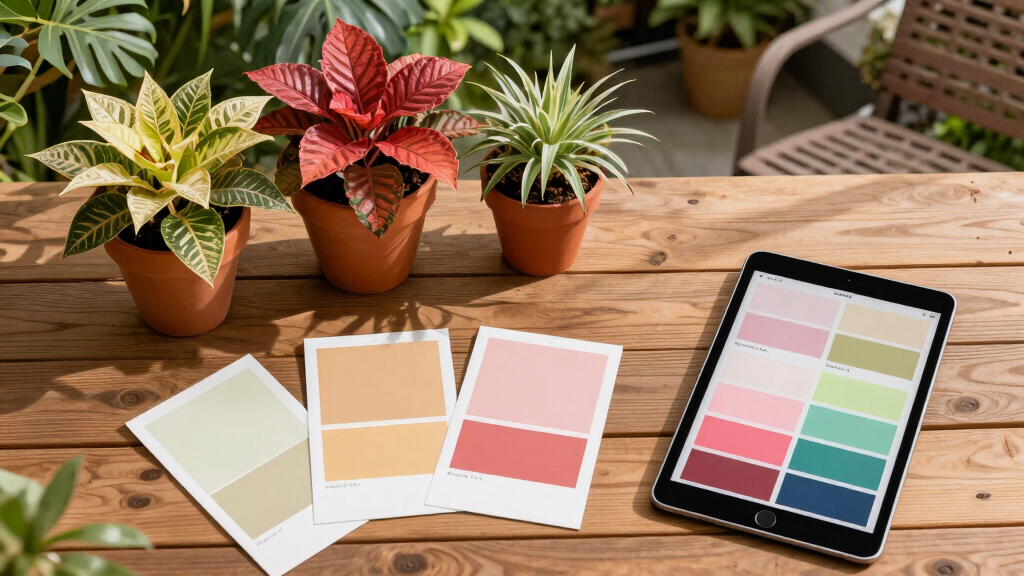
Recent reports indicate that landscape architects and garden designers are increasingly leveraging color theory to manipulate spatial perception. By using specific hues—such as light, cool tones on walls, pathways, and plantings—they create an illusion of greater openness. Conversely, darker or warmer shades are employed to define boundaries and create cozy zones within limited spaces.
Designers emphasize that color choices are not arbitrary; they are based on principles of visual perception. Light colors tend to recede visually, making walls or borders appear farther away, while darker shades advance, creating a sense of enclosure. This technique allows small gardens to feel more expansive without structural modifications.
Industry experts note that these methods are increasingly popular in densely populated areas where space is limited but aesthetic appeal remains a priority. The trend aligns with broader movements toward minimalist and efficient outdoor design, maximizing usability and visual impact within constrained footprints.
How Color Strategies Impact Garden Space Perception
This trend matters because it offers practical solutions for homeowners and landscape professionals facing space limitations. By understanding and applying color principles, designers can create gardens that feel larger and more inviting without extensive renovations. This approach also supports urban gardening and sustainable development by optimizing existing outdoor areas.
Furthermore, these techniques can influence property value and user satisfaction, making small outdoor spaces more functional and aesthetically pleasing. As urbanization continues, such design innovations are likely to become standard practice in modern landscape architecture.
As an affiliate, we earn on qualifying purchases.
Evolution of Color Use in Modern Landscape Design
Historically, color in landscape design was primarily decorative, aimed at enhancing visual appeal. Recent developments, however, show a shift toward strategic color application based on psychological and perceptual principles. Industry sources report that the use of color to manipulate spatial perception has gained traction over the past few years, driven by the need for efficient use of limited outdoor space.
This trend is also supported by advances in digital visualization tools, allowing designers to simulate how different color schemes affect space perception before implementation. The approach aligns with broader minimalist and functional design philosophies prevalent in contemporary gardening.
While traditional color schemes focused on aesthetics, current practices emphasize creating the illusion of depth and openness, making small gardens appear larger and more livable.
“Using light, cool colors on walls and pathways can make a small garden feel much more expansive. It’s about tricking the eye into perceiving more space.”
— Jane Smith, Landscape Architect
Unconfirmed Aspects of Color Application in Gardens
While industry reports suggest widespread adoption of these color techniques, detailed empirical studies quantifying their effectiveness are limited. It is not yet clear how consistently these strategies are applied across different climate zones or cultural contexts. Additionally, long-term impacts on plant health and material durability when using specific colors have not been extensively studied.
Further research is needed to establish standardized guidelines and measure the actual perceptual benefits in diverse settings. It remains uncertain whether these techniques are universally applicable or need customization for individual projects.
Future Trends and Research in Color-Driven Garden Design
Next steps include more comprehensive studies to validate the effectiveness of color perception techniques in various environments. Industry professionals anticipate that digital visualization tools will become even more integral in planning and testing color schemes before implementation.
Additionally, as awareness of these strategies grows, we may see the development of standardized design guidelines and training programs for landscape architects. The ongoing evolution of material technology and color pigments could also expand the palette available for creating perceptually larger gardens.
Key Questions
How do specific colors make a garden appear larger?
Light and cool colors tend to recede visually, making walls or boundaries seem farther away, which creates the illusion of more space.
Are these color strategies suitable for all garden types?
While generally effective, the success of these techniques depends on the climate, materials used, and overall garden design. Customization may be necessary for optimal results.
Do color choices affect plant health or durability?
Currently, there is limited research on long-term effects; however, some pigments may impact material longevity or plant growth if not properly selected. Designers should consider these factors when choosing colors.
Will these color techniques work in different cultural contexts?
Perception of color varies culturally, so designers should adapt strategies to local preferences and perceptions to achieve the desired spatial effects.
Source: rss
Evergreen bestsellers Picks
bestsellers
As an affiliate, we earn on qualifying purchases.