To use biological fungicides safely in greenhouses, follow the manufacturer’s instructions carefully for application and timing, preferably preventively or at early infection stages. Manage environmental conditions by controlling humidity, temperature, and airflow to make the environment less favorable for fungi and support biological agents. Regularly monitor plant health, sanitize tools, and remove infected material promptly. Combining these practices with good cultural care enhances effectiveness—keep going to uncover how to maximize your biological control strategy.
Key Takeaways
- Follow manufacturer instructions carefully for application timing, dosage, and coverage to ensure safety and effectiveness.
- Maintain proper greenhouse environmental conditions—control humidity, temperature, and airflow—to support biological fungicide performance.
- Regularly monitor plant health and greenhouse conditions for early fungal detection and timely biological treatment.
- Practice sanitation by sterilizing tools and removing infected material to prevent pathogen spread.
- Incorporate biological fungicides as part of an integrated pest management plan, reducing chemical use and promoting safe practices.

Have you ever wondered how to control fungal diseases in your greenhouse without relying on chemical pesticides? The key lies in adopting a thorough approach that combines biological fungicides with proven management practices. Integrated pest management (IPM) is your best tool for maintaining healthy plants while minimizing chemical use. By integrating biological solutions into your overall strategy, you can effectively reduce the risk of fungal outbreaks and promote a sustainable growing environment.
One of the most effective ways to enhance the success of biological fungicides is through climate control strategies. Fungal pathogens thrive under specific conditions, so managing temperature, humidity, and airflow can substantially reduce their spread. For instance, lowering humidity levels and ensuring proper ventilation create an environment less hospitable to fungi. Consistent temperature regulation also prevents the conditions that favor fungal growth, making your greenhouse less vulnerable to infections. These climate control strategies, combined with biological fungicides, help establish a hostile environment for fungi, allowing biological agents to work more efficiently. Additionally, maintaining optimal environmental conditions can enhance the efficacy of biological fungicides by creating unfavorable conditions for fungal development.
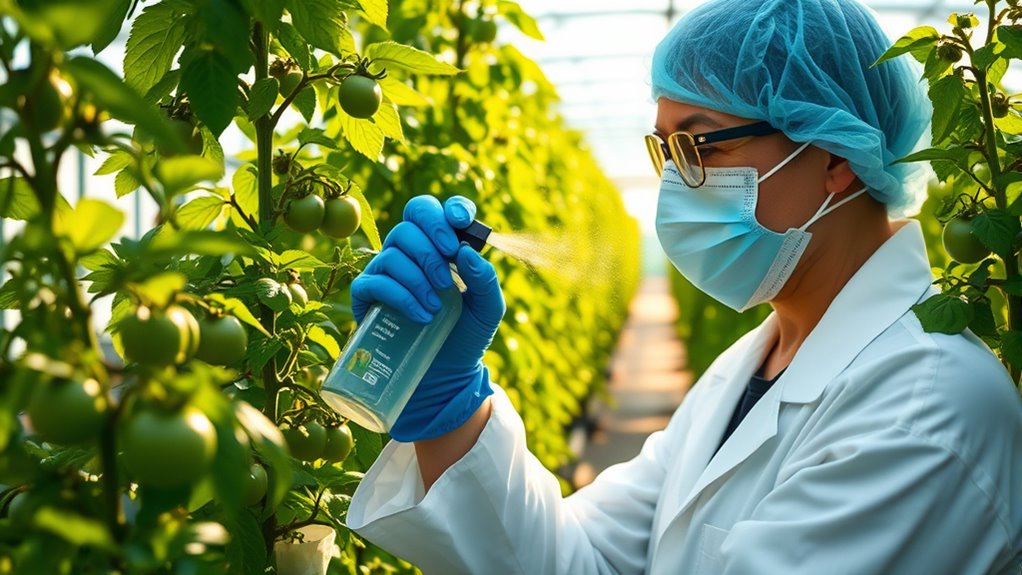
When applying biological fungicides, it’s essential to follow proper timing and application methods. Typically, you want to introduce these agents before the disease becomes severe, ideally during early stages or as a preventive measure. This proactive approach aligns with the principles of IPM, reducing the need for reactive treatments that may be less effective. Make sure to thoroughly cover all plant surfaces, especially those prone to moisture retention, like leaf undersides and stems. Consistent application, according to manufacturer instructions, ensures that beneficial microbes establish and outcompete or inhibit pathogenic fungi.
Monitoring your greenhouse environment regularly is another critical component. Keep an eye on humidity levels, temperature fluctuations, and signs of fungal presence. Early detection allows you to respond promptly, applying biological fungicides at the right moment for maximum effectiveness. Pair this vigilance with good sanitation practices, such as removing infected plant material and sterilizing tools, to prevent the spread of spores.
Using biological fungicides within an integrated pest management framework also involves maintaining healthy plants through proper nutrition and watering practices. Healthy plants are naturally more resistant to diseases, making biological controls more effective. Combining these tactics creates a resilient system that minimizes disease pressure and reduces reliance on chemicals.
Frequently Asked Questions
Are Biological Fungicides Safe for Children and Pets?
Biological fungicides are generally safe for children and pets when used correctly. You should follow label instructions carefully, avoid direct contact, and keep kids and pets away during application. Once dried, these products pose minimal risk, making them a safer choice for child safety and pet safety compared to chemical alternatives. Always store fungicides out of reach and consult product labels for specific safety recommendations.
How Long Do Biological Fungicides Remain Effective After Application?
Ever wondered how long biological fungicides stay effective? Usually, their residual effectiveness lasts between 7 to 14 days after application, but this depends on factors like environmental conditions and application duration. You should reapply as needed to maintain protection. Have you considered how weather or watering might impact their longevity? Monitoring your greenhouse helps guarantee continuous protection and ideal results from your biological fungicide use.
Can Biological Fungicides Be Combined With Chemical Treatments?
Yes, you can combine biological fungicides with chemical treatments, but you should consider compatibility concerns first. Always check the product labels for compatibility information, as some chemicals may harm beneficial microbes. Additionally, pay attention to application timing; applying chemical treatments too soon after biological fungicides can reduce their effectiveness. To guarantee ideal results, schedule treatments carefully and follow recommended intervals between applications.
What Is the Shelf Life of Biological Fungicides?
You should know that biological fungicides typically have a shelf life of about 1 to 3 years, depending on the product and storage conditions. To guarantee maximum shelf stability, follow the storage guidelines closely—keep them in a cool, dry place away from direct sunlight and extreme temperatures. Proper storage helps maintain their effectiveness over time, so regularly check expiration dates and avoid using expired products to keep your greenhouse healthy.
Are There Any Environmental Regulations for Using Biological Fungicides?
Yes, there are environmental regulations for using biological fungicides. You need to guarantee environmental compliance by following local and national rules, which often include proper handling, application, and disposal procedures. Additionally, you should obtain regulatory approval before use, confirming the product’s safety for the environment. Staying informed about these regulations helps you prevent ecological harm and ensures responsible, legal application of biological fungicides in your greenhouse.
Conclusion
By embracing biological fungicides, you become the gardener wielding a gentle, yet mighty shield against harmful pathogens. When used wisely, they transform your greenhouse into a fortress of health, where nature’s delicate balance thrives. Like a skilled conductor guiding a symphony, your cautious application guarantees harmony between plants and beneficial microbes. With this mindful approach, you nurture a lush, resilient sanctuary—where the dance of life flourishes in every leaf and stem.