
To stop Botrytis from ruining your greenhouse crop, you need to control humidity below 85%, guarantee proper air circulation, and avoid wet foliage by watering early in the day. Remove infected plant material promptly and keep your environment clean. Use fans, vents, and monitors to maintain ideal conditions, and respond quickly at the first signs of mold. If you want to discover more effective strategies, there’s plenty to learn about keeping your plants healthy.

Get garden gear delivered free with Prime
- Fast, free delivery on millions of items
- Prime Video, Amazon Music and more included
- Member-only deals all year
Key Takeaways
- Maintain humidity below 85% and ensure proper ventilation to reduce moisture that promotes Botrytis growth.
- Regularly inspect plants for early symptoms and isolate any affected to prevent spread.
- Practice good sanitation by cleaning tools, trays, and removing debris or infected material promptly.
- Use environmental controls like fans, vents, and air filtration to improve airflow and reduce humidity.
- Apply targeted fungicides and rotate active ingredients to prevent resistance and enhance disease control.
As an affiliate, we earn on qualifying purchases.
How to Prevent Botrytis in Your Greenhouse
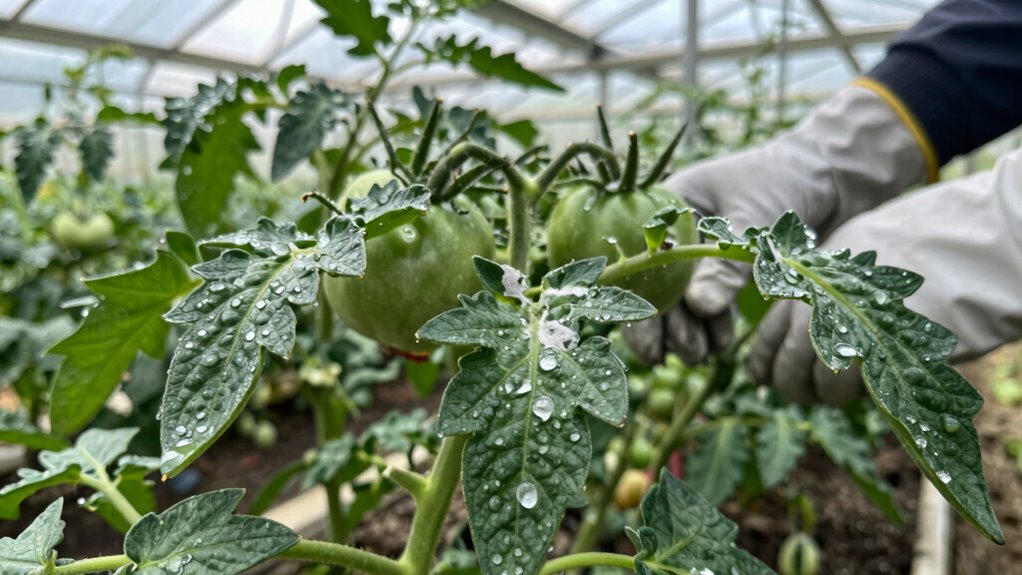
To prevent Botrytis from taking hold in your greenhouse, maintaining ideal environmental conditions is essential. This plant disease thrives in high humidity and poor air circulation, so controlling these factors helps reduce risk. Keep humidity levels below 85% and ensure proper ventilation to prevent excess moisture buildup. Regularly inspect your plants for signs of greenhouse pests, which can weaken plant defenses and make them more vulnerable to infections. Avoid overcrowding, which limits airflow and creates a damp environment perfect for Botrytis development. Use clean tools and remove any plant debris or infected material promptly. Additionally, understanding the conditions favorable to Botrytis can help you better anticipate and prevent outbreaks. Monitoring for microplastics in dust can also improve overall greenhouse health, as airborne particles may carry pathogens or debris that exacerbate plant stress. Being aware of environmental factors such as temperature fluctuations and water management can further support your efforts to maintain healthy crops. Proper airflow management not only reduces humidity levels but also helps prevent the buildup of plant stress, which can make plants more susceptible to disease. By managing environmental conditions and staying vigilant about plant health, you considerably lower the chances of Botrytis infecting your crops.
Recognize the Early Signs of Botrytis Infection
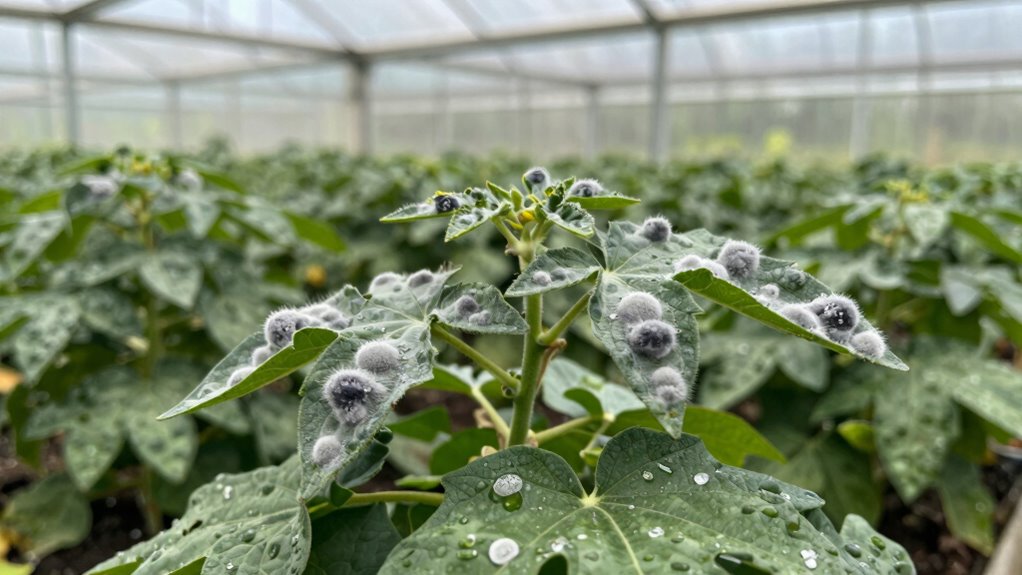
You should keep an eye out for gray mold spots on your plants, as they are often the first sign of botrytis. Monitoring humidity levels closely helps you catch outbreaks early before they spread. Recognizing these signs quickly allows you to take action and protect your crops effectively. Incorporating inclusive casting practices can also help ensure diverse monitoring teams are trained to identify early symptoms. Being aware of ethical considerations in pest management can guide you toward more sustainable and responsible responses to outbreaks.
Spotting Gray Molds
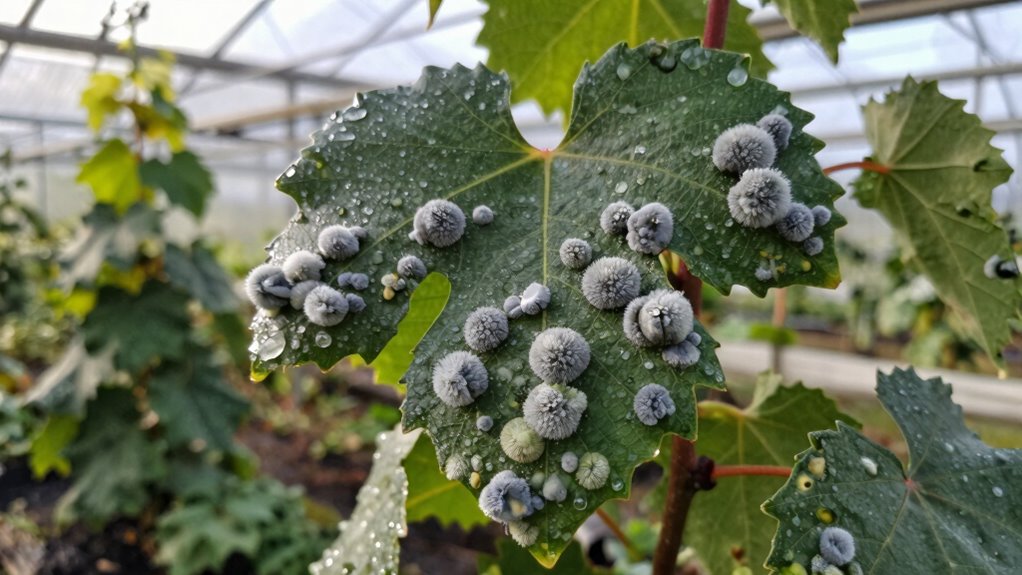
Early detection of gray molds is essential for preventing widespread infection. To spot gray mold identification, look for fuzzy, grayish-brown patches on leaves, stems, or flowers. These spots often start small but quickly expand, turning plant tissue soft and water-soaked. As you observe, note the fungus lifecycle stages—especially how the mold produces spores that spread rapidly in humid conditions. Early signs include fuzzy mold growth and grayish blotches that may be accompanied by a musty odor. Recognizing these initial symptoms helps you act quickly before the infection becomes severe. Keep a close eye on vulnerable areas, especially in high humidity, to catch gray mold early and prevent it from devastating your greenhouse crop.
Monitoring Humidity Levels
Monitoring humidity levels is crucial because high humidity creates the perfect environment for Botrytis to thrive and spread. Use humidity sensors to keep precise track of moisture in your greenhouse. When humidity exceeds 85%, Botrytis spores can activate quickly. Misting systems can help maintain ideal levels, but overuse raises risks. Regularly check humidity readings and adjust misting accordingly. Incorporating indoor air quality gear like HEPA filters and UV-C sterilization can also reduce airborne spores and prevent infection. Additionally, understanding plant disease management techniques can help you implement comprehensive preventive measures. Staying informed about environmental control strategies, such as natural ventilation, can further enhance your ability to prevent outbreaks.
Optimize Your Greenhouse Climate to Stop Mold
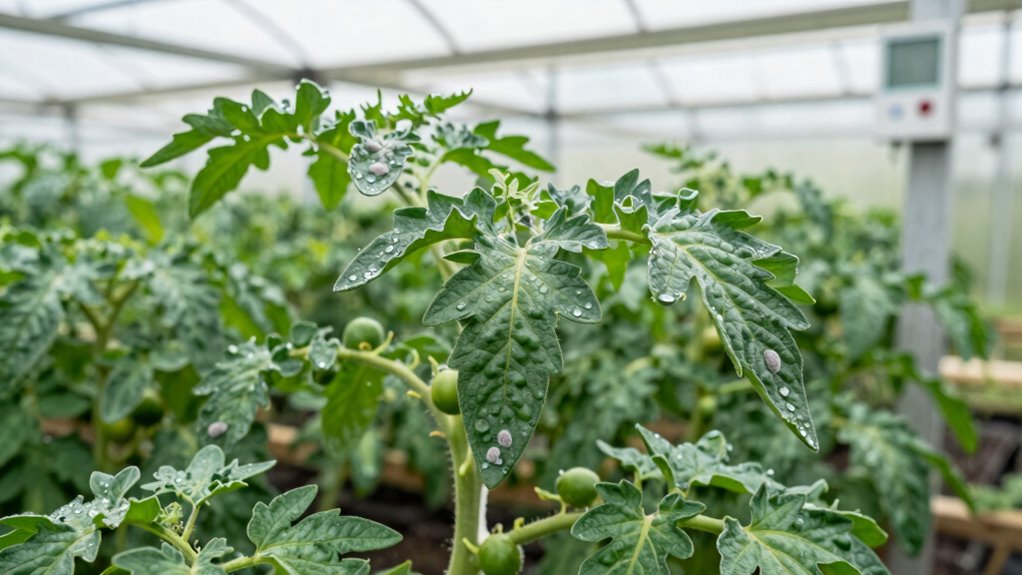
Maintain the right greenhouse climate is vital for preventing mold growth like botrytis. You can achieve this through effective climate adaptation, adjusting temperature and humidity levels to create an environment less favorable for mold. Proper airflow is essential; make certain your ventilation systems are working efficiently to reduce excess moisture. Monitor and control humidity to stay below 85%, as high humidity promotes mold development. Integrate pest management strategies, since pests can damage plants and make them more vulnerable to mold. Regularly review your climate data and make adjustments as needed, especially during weather changes. Being aware of early warning signs for mold can help you catch issues before they become severe. Understanding climate control principles can further enhance your prevention efforts. Implementing proper maintenance practices can also help prevent mechanical failures that might compromise climate stability. Additionally, staying informed about regional flavor differences can guide you in tailoring your climate management to specific crop needs. Consistent monitoring and proactive adjustments are key to maintaining an optimal environment; this includes using reliable sensors to get accurate data. By actively managing these factors, you create a hostile environment for botrytis, reducing its chances to establish and spread within your greenhouse.
Use Cultural Practices to Reduce Botrytis Risk
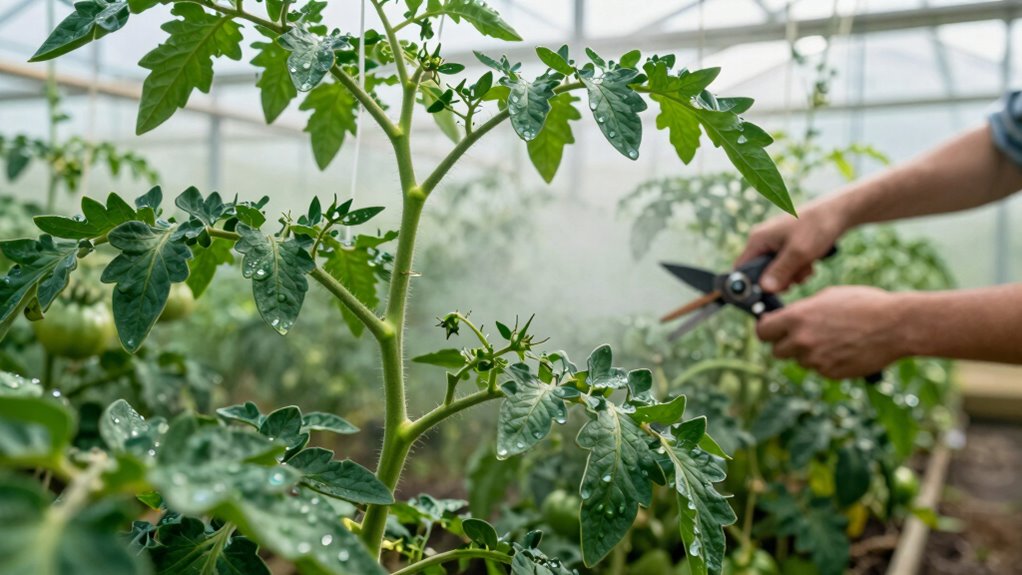
To reduce the risk of Botrytis, you should focus on improving air circulation around your plants. Managing humidity levels and practicing proper sanitation also help keep mold at bay. These cultural practices work together to create an environment less favorable for Botrytis growth.
Optimize Air Circulation
Improving air circulation around your plants is one of the most effective cultural practices to reduce the risk of Botrytis. Good airflow influences airflow dynamics, preventing moisture buildup that fosters fungal growth. Implementing proper ventilation strategies guarantees consistent air exchange, helping to lower humidity levels and dry leaf surfaces quickly. To optimize these practices:
- Use fans to promote even airflow without causing stress or damage.
- Position vents and exhaust fans strategically to maximize cross-ventilation.
- Space plants adequately to prevent crowding, allowing air to circulate freely around each plant.
Manage Humidity Levels
Controlling humidity levels is a key step in preventing Botrytis from taking hold. Proper humidity control helps maintain an environment less conducive to mold prevention. Keep humidity below 85% during the day and avoid excessive moisture buildup overnight. Use dehumidifiers or ventilation systems to regulate moisture levels effectively. Monitor humidity regularly with a reliable hygrometer to guarantee ideal conditions. Avoid overwatering plants, as excess moisture increases humidity and promotes mold growth. Proper spacing of plants improves airflow, which naturally reduces humidity around foliage. By maintaining consistent, moderate humidity, you create an environment that discourages Botrytis development and supports overall plant health. Staying vigilant about humidity control is essential to protect your greenhouse crop from this damaging pathogen.
Practice Proper Sanitation
Practicing proper sanitation is essential for reducing the risk of Botrytis. You should regularly sterilize soil to eliminate lingering spores, which can persist and infect healthy plants. Implement soil sterilization techniques like solarization or chemical treatments to minimize pathogen presence. Equally important is diligent equipment cleaning—tools, trays, and containers should be sanitized after each use to prevent cross-contamination. Additionally, maintaining a clean environment involves removing plant debris and fallen leaves that can harbor Botrytis spores. To enhance your sanitation efforts, consider these practices:
- Regularly sterilize soil and growing media
- Clean and disinfect all tools and equipment after use
- Remove and discard infected plant material promptly
These cultural practices can profoundly reduce Botrytis risks and promote healthier, more resilient crops.
Water Plants Correctly to Minimize Humidity

To minimize humidity and reduce the risk of Botrytis, careful watering of your plants is essential. Overwatering creates excess moisture, fostering the perfect environment for fungal growth. Water early in the day, allowing leaves to dry quickly and preventing prolonged dampness. Proper watering also supports plant nutrition, helping them stay healthy and resistant to pests. Regular pest identification ensures you catch issues early and don’t rely solely on watering adjustments. Use the table below to guide your watering practices:
| Watering Tip | Why It Matters | Key Focus |
|---|---|---|
| Water in the morning | Reduces overnight humidity | Plant health |
| Avoid overhead watering | Prevents leaf wetness | Disease control |
| Check soil moisture | Prevents overwatering | Pest prevention |
Additionally, understanding the impact of environmental factors like humidity levels can help you better manage fungal risks in your greenhouse. Being aware of the watt-hours capacity of your lighting and ventilation systems can also influence humidity control strategies.
Apply Safe Fungicides for Botrytis Control
Applying safe fungicides is a crucial step in managing Botrytis without harming your plants or the environment. To prevent issues like fungicide resistance, rotate products with different active ingredients regularly. This practice ensures that the fungicide resistance does not develop prematurely. Consider organic alternatives such as neem oil or biological controls, which can be effective and eco-friendly. When applying fungicides, follow label instructions carefully to guarantee proper coverage and safety. Using the right fungicide at the right time can limit the spread of Botrytis and protect your crop. Keep in mind that consistent application, combined with other cultural practices, enhances overall control. Regular monitoring allows you to act early, minimizing damage and reducing reliance on chemical treatments. Incorporating smart technology protocols can also improve your ability to track environmental conditions, further aiding in timely interventions. Additionally, understanding fungicide resistance management can help optimize your treatment strategies.
Improve Air Circulation and Ventilation
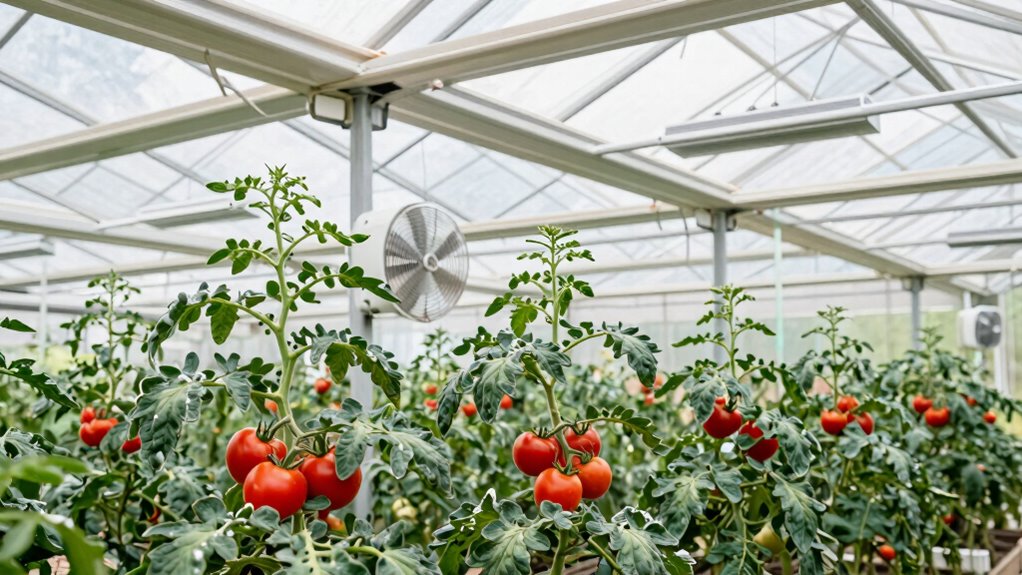
Improving air circulation and ventilation is essential for reducing humidity levels and preventing the conditions that favor Botrytis growth. Good airflow enhancement disperses moisture, lowering humidity and helping maintain a drier environment. Effective ventilation strategies include using exhaust fans, open vents, and adjusting windows to promote constant air exchange. These methods prevent stagnant air pockets where Botrytis thrives. To illustrate the importance, consider this table:
| Ventilation Strategy | Benefits | Implementation Tips |
|---|---|---|
| Exhaust Fans | Remove humid air | Use timers to automate |
| Open Vents | Increase airflow | Keep vents unobstructed |
| Cross Ventilation | Equalize temperature | Open opposite sides |
Consistent airflow disrupts fungal development, keeping your greenhouse healthier. Additionally, understanding the role of air quality in plant health can help optimize your ventilation efforts, as maintaining proper airflow is crucial for preventing fungal diseases like Botrytis. Ensuring proper air exchange is vital for a healthy greenhouse environment. Regularly monitoring humidity levels can further assist in maintaining optimal conditions to prevent outbreaks.
Monitor and Respond Quickly to Botrytis Outbreaks
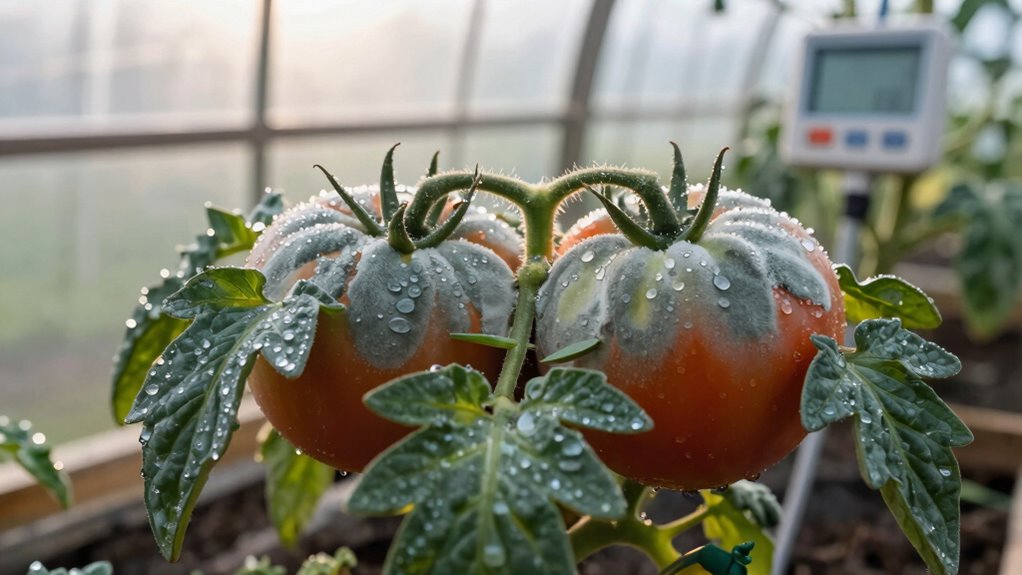
Promptly identifying and addressing Botrytis outbreaks is essential for minimizing damage and preventing the disease from spreading. Regularly monitor your crops for signs of pest identification and early symptoms of infection, such as gray mold or rotting tissue. Respond immediately once you spot an outbreak by isolating affected plants and adjusting your disease management strategies. Effective monitoring involves:
- Conducting daily visual inspections to catch issues early
- Using proper sanitation to remove infected plant debris
- Adjusting humidity and airflow to inhibit fungal growth
Frequently Asked Questions
Can Organic Methods Effectively Control Botrytis in Greenhouses?
Yes, organic methods can effectively control botrytis in greenhouses. You should use natural fungicides like copper or sulfur to prevent infection, and incorporate beneficial microbes such as Trichoderma or Bacillus species to outcompete the pathogen. Regularly improve air circulation and reduce humidity, creating an environment less favorable for botrytis. Combining these organic strategies helps keep your crops healthy without relying on synthetic chemicals.
How Long Does It Take for Botrytis to Develop After Infection?
Once infected, you might not notice the fungus lifecycle swiftly unfolding—sometimes in just 48 hours. Under damp, humid environmental conditions, botrytis spores rapidly germinate, spreading like wildfire. Within days, gray mold can take hold, visibly creeping across your plants. The key lies in understanding how fast this fungus can develop, so you can act swiftly. Early detection and controlling humidity are your best defenses against this sneaky threat.
Are Some Plant Varieties More Resistant to Botrytis Than Others?
Yes, some plant varieties are more resistant to botrytis due to genetic resistance. You should look for disease-resistant varieties when selecting plants, as they naturally withstand the fungus better. These varieties have built-in defenses that can help prevent botrytis from taking hold. Incorporating resistant strains into your greenhouse management plan can considerably reduce your risk of infection and keep your crop healthier longer.
What Are the Economic Impacts of Botrytis Outbreaks?
You face significant economic loss when botrytis outbreaks occur, as damaged crops reduce your yields and quality, leading to lower profits. This disease can also disrupt your market impact, making it harder to meet demand or maintain prices. The costs of extra treatments and crop replacement add up quickly. Overall, botrytis not only threatens your harvest but also affects your business’s financial stability and reputation.
How Can I Identify Botrytis in Different Plant Species?
You can identify botrytis, a plant disease, by looking for gray mold on leaves, stems, or fruits across different plant species. Mold identification is key; you’ll notice fuzzy gray or brownish mold patches that spread quickly. Check for soft, decayed tissues and water-soaked spots. Regularly inspect your plants, especially in humid conditions, to catch botrytis early and prevent its spread, ensuring healthy crops.
Conclusion
Think of your greenhouse as a delicate dance floor—every step, every move matters. By staying vigilant, adjusting your climate, and acting swiftly, you keep the music lively and the shadows at bay. When you recognize the early signs and respond promptly, you’re the choreographer guiding your plants safely through the storm. With steady rhythm and mindful care, you’ll prevent Botrytis from taking center stage, allowing your crop to flourish in a harmonious, healthy glow.
Halloween Picks
halloween
As an affiliate, we earn on qualifying purchases.