
TL;DR

Get garden gear delivered free with Prime
- Fast, free delivery on millions of items
- Prime Video, Amazon Music and more included
- Member-only deals all year
Groundhogs are damaging gardens, but homeowners can use physical barriers, repellents, and habitat modification to deter them. Experts confirm several effective methods, though some approaches require ongoing effort.
Groundhogs are increasingly encroaching on residential gardens, causing damage to vegetables, flowers, and landscaping. Experts confirm that physical barriers, repellents, and habitat modifications are effective strategies to deter these pests, making this advice relevant for gardeners facing groundhog problems this season. Learn more about protecting your garden.
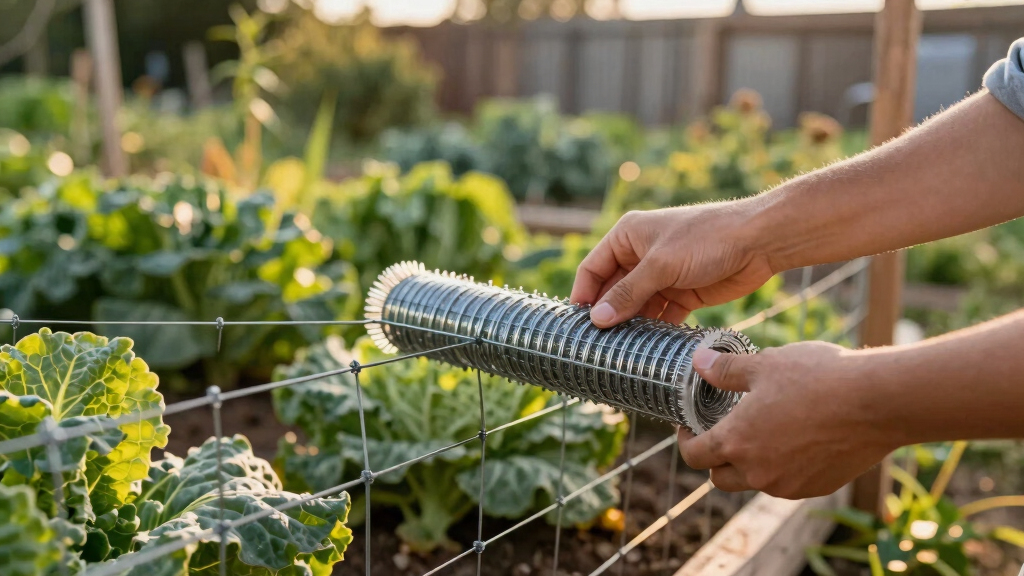
According to wildlife experts, the most confirmed method to prevent groundhogs from entering gardens is installing fencing that extends at least 3 feet underground and is buried 12 inches deep, with a mesh size of no larger than 1 inch. This prevents groundhogs from digging under or climbing over barriers. The fencing should be angled outward at the top to discourage climbing.
Additionally, the use of repellents—such as commercial predator urine or homemade garlic and hot pepper sprays—has shown effectiveness in deterring groundhogs when applied regularly. Experts emphasize that repellents are most effective when combined with physical barriers and habitat modifications.
Habitat modification includes removing brush piles, dense ground cover, and excess debris that provide shelter for groundhogs. Keeping gardens tidy and removing potential burrowing sites reduces their attraction to residential areas, according to wildlife officials. Consider reading about sustainable gardening practices to help manage habitat.
While some homeowners have reported success with ultrasonic devices or motion-activated sprinklers, experts caution that these methods have mixed results and require consistent use. For more tips, see how to safeguard your garden during heatwaves.
Why Protecting Gardens from Groundhogs Matters
Groundhogs can cause significant damage to vegetable crops, flowers, and landscaping, leading to economic loss and frustration for gardeners. Effective deterrence methods help prevent property damage and reduce the need for lethal control measures, aligning with wildlife conservation principles. Understanding these proven strategies empowers homeowners to manage groundhog activity humanely and sustainably, especially during peak gardening seasons.
As an affiliate, we earn on qualifying purchases.
Groundhogs’ Growing Presence in Residential Areas
Groundhogs, also known as woodchucks, are native to North America and have become increasingly common in suburban and rural areas. They typically burrow underground and feed on a variety of plants, including vegetables, fruits, and ornamental plants. Recent reports from gardening communities indicate a rise in groundhog activity, likely due to habitat encroachment and changes in land use. Historically, groundhogs were primarily rural pests, but urban expansion has led to more frequent encounters with homeowners.
Previous control methods included trapping and lethal removal, but many regions now promote humane deterrence strategies. Experts note that early intervention and preventive measures are key to managing groundhog populations around gardens.
“A sturdy fence combined with habitat modification is the most reliable way to keep groundhogs out of your garden.”
— Dr. Emily Carter, Wildlife Biologist
Effectiveness of Non-Lethal Deterrents Varies
While fencing and habitat modification are confirmed as effective, the success of repellents and ultrasonic devices remains uncertain. Some homeowners report positive results, but scientific studies show mixed outcomes. The long-term effectiveness of certain deterrents, especially ultrasonic devices, is still under review, and ongoing research is needed to establish best practices.
Monitoring and Adjusting Groundhog Deterrence Strategies
Homeowners are advised to implement physical barriers early in the season and monitor their effectiveness. Experts recommend adjusting repellents and habitat management as needed, especially if groundhog activity persists. Future research may provide more definitive guidance on the most effective non-lethal control methods. Local wildlife agencies may also offer assistance or additional resources for managing groundhogs humanely.
Key Questions
What is the most effective way to keep groundhogs out of my garden?
The most confirmed method is installing a sturdy fence that extends underground and is angled outward, combined with habitat modification to remove shelter and food sources.
Can repellents alone keep groundhogs away?
Repellents can help, but they are most effective when used with physical barriers and habitat management. Their success varies among homeowners.
Are ultrasonic devices effective against groundhogs?
The effectiveness of ultrasonic devices is uncertain; some users report success, but scientific evidence remains inconclusive.
When should I start implementing groundhog deterrents?
Early spring before groundhogs become active or start foraging is the best time to install barriers and begin habitat modifications.
What should I do if groundhogs continue to invade my garden?
If problems persist, consult local wildlife agencies or pest control professionals for humane management options and tailored advice.
Source: rss
Halloween Picks
halloween
As an affiliate, we earn on qualifying purchases.