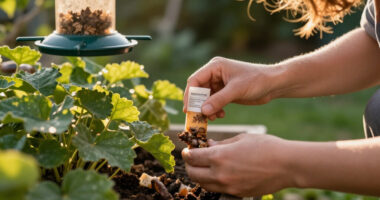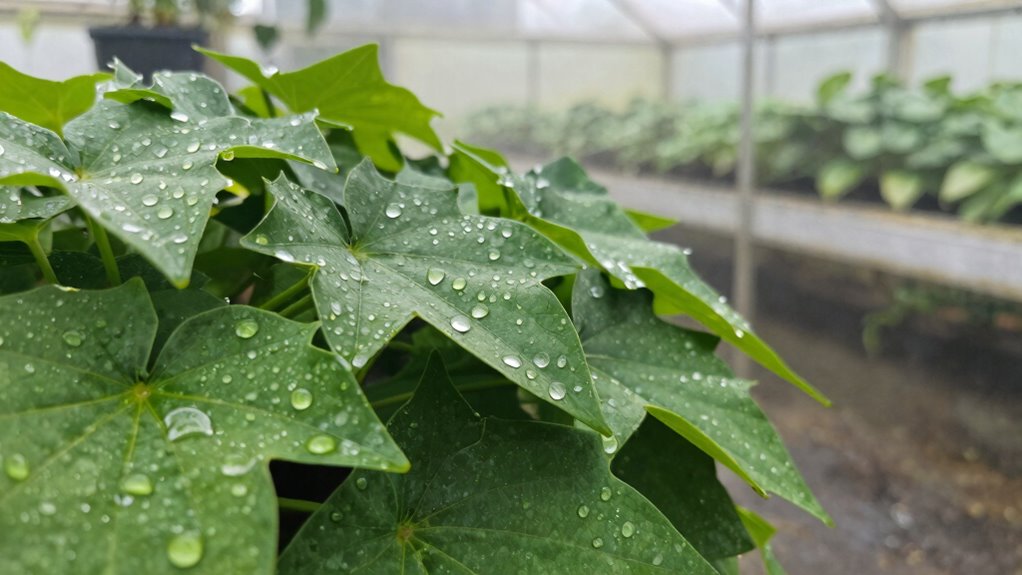

High humidity in your greenhouse creates damp conditions that easily turn small issues like spots or pests into serious disease pressures. Moist environments boost fungal spore growth and encourage pests like aphids and mites to multiply rapidly. This weakens your plants’ defenses and allows diseases to spread quickly, making minor problems escalate. To better understand how to prevent this cycle and keep your plants healthy, keep exploring these essential strategies.

Get garden gear delivered free with Prime
- Fast, free delivery on millions of items
- Prime Video, Amazon Music and more included
- Member-only deals all year
Key Takeaways
- Excess humidity creates damp conditions that favor fungal spore growth and disease development.
- High moisture levels weaken plant defenses, making infections easier to establish and spread.
- Moist environments boost pest populations, which can carry and transmit plant diseases.
- Poor air circulation in humid settings prolongs leaf wetness, accelerating fungal and bacterial growth.
- Small issues like spots or wilting can rapidly escalate into severe infections under sustained high humidity.
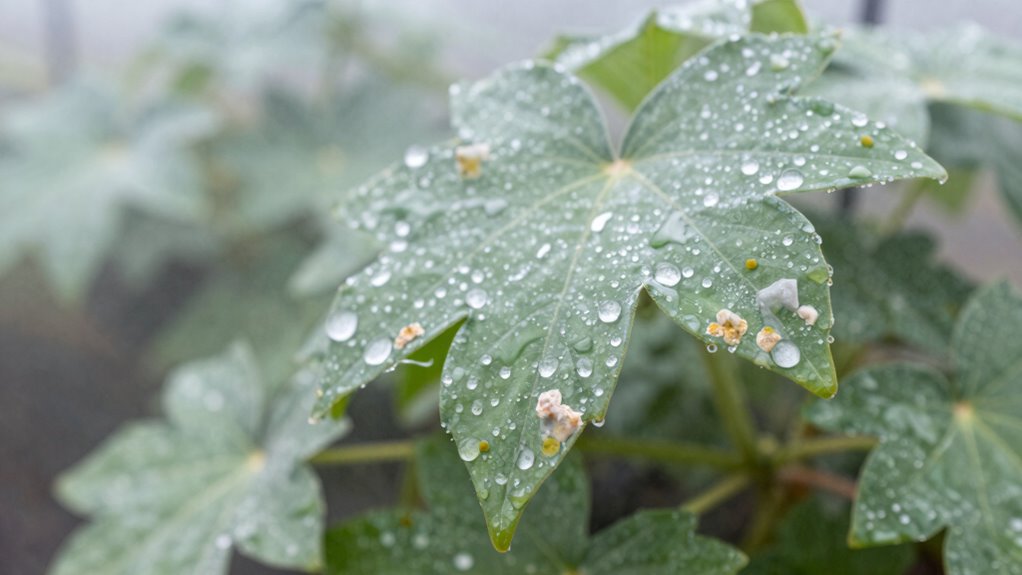
Maintaining the right humidity levels in your greenhouse is essential because excessive moisture creates ideal conditions for many plant diseases to thrive. When humidity is too high, it doesn’t just make plants feel uncomfortable; it actively encourages pest proliferation and increases plant stress. These two factors often go hand in hand, turning minor issues into serious health threats for your crops. If you notice your plants are wilting or show signs of spots and mold, high humidity could be the root cause. It fosters a damp environment where pests like aphids, spider mites, and fungal spores multiply rapidly, making it harder to keep pests at bay. As pests become more numerous, they weaken your plants further, creating a vicious cycle. Meanwhile, the excess moisture hampers your plants’ ability to transpire properly, leading to stress. Stressed plants are less able to defend themselves against pests and diseases, making them more vulnerable to infection. Proper environmental management, including humidity control, can help break this cycle and promote healthier growth.
You might think that keeping humidity high is good for your plants, but it’s a delicate balance. Too much moisture can cause leaves to stay wet for longer periods, promoting fungal diseases like powdery mildew and botrytis. These diseases can spread quickly across your greenhouse, especially if air circulation isn’t ideal. When plants are under constant moisture stress, they divert energy from growth and immune responses to cope with the environment. This means they become more susceptible to disease, and small problems can quickly escalate. You might see spots on leaves or fuzzy mold, but if humidity remains unchecked, those symptoms can turn severe in just a few days. Understanding how humidity influences plant health is key to maintaining a resilient greenhouse environment. Proper ventilation, dehumidifiers, and regular monitoring help keep humidity in check. Implementing effective climate control strategies ensures a healthier and more stable environment for your crops. When you lower humidity to suitable levels, you reduce the chances of pest proliferation and ease plant stress, giving your crops a fighting chance to stay healthy. Regularly checking moisture levels is also crucial because it helps prevent small issues from snowballing into significant disease pressures, ensuring a more productive and resilient growing environment. Additionally, understanding the impact of humidity on disease development allows growers to better anticipate and prevent outbreaks before they become unmanageable. Staying vigilant about humidity management can make all the difference between thriving plants and vulnerable ones.
As an affiliate, we earn on qualifying purchases.
Frequently Asked Questions
How Quickly Can Humidity Levels Change in a Greenhouse?
Humidity levels in your greenhouse can change quite rapidly, sometimes within hours, especially during sudden weather shifts or when ventilation systems run. These fluctuations impact vapor pressure, causing moisture levels to rise or fall quickly. You should monitor humidity closely, as rapid changes can create conditions conducive to disease development. By maintaining stable humidity, you reduce the risk of disease pressure and keep your plants healthier.
Are Certain Plant Species More Vulnerable to Humidity-Related Diseases?
Certain plant species, like tropicals and high-moisture-loving varieties, are more vulnerable to humidity-related diseases. While their lush growth and vibrant colors attract you, their disease susceptibility increases with high humidity. You’ll notice fungal issues and rot more quickly in these species, so managing humidity actively becomes essential. By understanding their specific needs, you can prevent small issues from turning into serious health threats, keeping your greenhouse thriving.
Can Humidity Control Prevent All Greenhouse Diseases?
Humidity control can’t prevent all greenhouse diseases, despite common humidity myths. While managing humidity reduces conditions that promote pest proliferation and certain fungal issues, it doesn’t eliminate all threats. Some pathogens thrive regardless of humidity levels, so you must combine humidity management with good sanitation, proper ventilation, and crop rotation. Staying vigilant and adopting an all-encompassing approach helps you better protect your greenhouse from a wide range of diseases.
What Are the Signs of Humidity-Related Disease Development?
Have you noticed leaf rot or mold growth on your plants? These are clear signs of humidity-related disease development. High humidity creates a perfect environment for mold to thrive and leaf rot to spread. If you see fuzzy mold or browning, it’s time to act. Are you maintaining proper airflow and humidity levels? Addressing these signs early helps prevent small issues from turning into major problems.
How Does Humidity Influence Pathogen Reproduction Rates?
Humidity boosts pathogen reproduction rates by creating ideal conditions for their lifecycle. Higher humidity accelerates spore germination and growth, enabling pathogens to reproduce faster. It also enhances spore dispersal, spreading infections more efficiently throughout your greenhouse. As humidity stays elevated, it lengthens the pathogen’s lifecycle, increasing disease pressure. Managing humidity levels helps disrupt this cycle, reducing the chances of rapid pathogen spread and keeping your plants healthier.
Conclusion
By managing humidity levels carefully, you can prevent small greenhouse issues from escalating into major disease problems. Do you want your plants to thrive, or watch them succumb to preventable illnesses? Keeping humidity in check isn’t just about comfort — it’s about safeguarding your crop’s health and ensuring a productive season. When you control the moisture in your greenhouse, you’re not just avoiding disease; you’re creating an environment where your plants can truly flourish.
Fall Picks
fall essentials
As an affiliate, we earn on qualifying purchases.