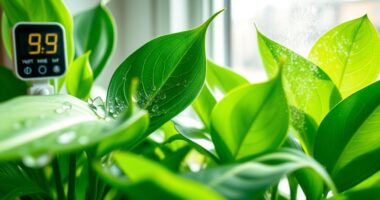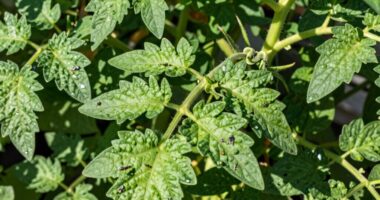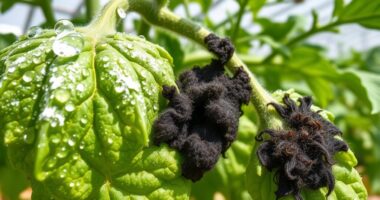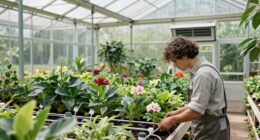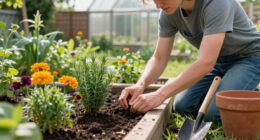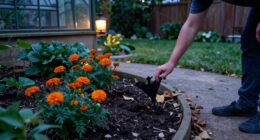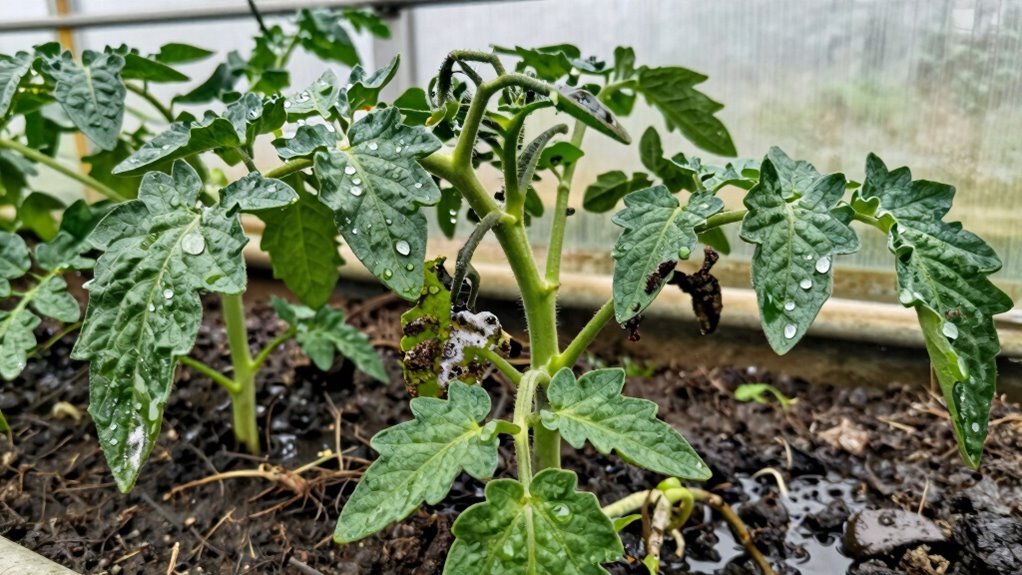

Overwatering worsens greenhouse diseases because it creates waterlogged soil, reducing oxygen around the roots and weakening your plants’ defenses. Excess water encourages fungal and bacterial growth, spreading infections quickly. It also damages soil drainage and airflow, making conditions ideal for pathogens. If you keep overwatering, your plants become more vulnerable to disease and decline faster. Want to know how to prevent this? Keep exploring to learn effective strategies for healthy watering and disease prevention.

Get garden gear delivered free with Prime
- Fast, free delivery on millions of items
- Prime Video, Amazon Music and more included
- Member-only deals all year
Key Takeaways
- Overwatering creates moist conditions that promote fungal and bacterial pathogen growth.
- Excess water reduces oxygen around roots, impairing plant defenses and increasing disease susceptibility.
- Waterlogged soil hampers drainage, fostering environments ideal for mold, fungi, and root rot.
- Persistent moisture facilitates rapid pathogen spread via splashing spores and bacteria.
- Overwatering weakens root health, making plants less resilient against infections and disease outbreaks.
Products Worth Considering

AMERLIFE 34 x 10 x 7 ft Walk-In Tunnel Greenhouse with Watering System

EAGLE PEAK 8 × 6 ft Walk-In Pop-Up Greenhouse, Green and White

Yardenaler 6 x 10 ft Wooden Walk-In Greenhouse with 6 mm Polycarbonate Panels
As an affiliate, we earn on qualifying purchases.
Why Overwatering Weakens Your Plants’ Defenses
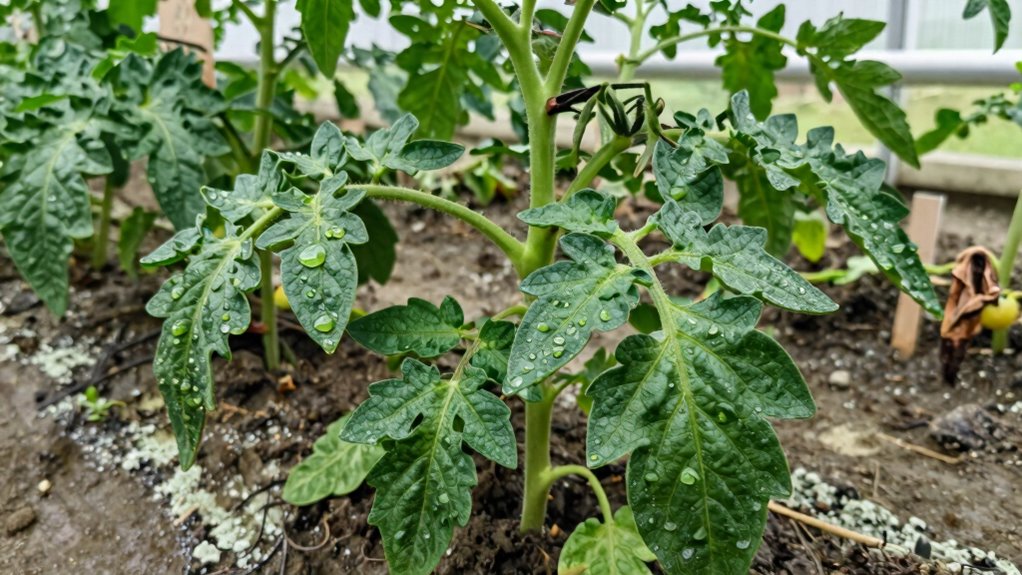
Overwatering your greenhouse plants might seem beneficial, but it actually weakens their natural defenses. Excess water drowns the roots, impairing root health and making plants more vulnerable to stress. When roots are waterlogged, they struggle to absorb oxygen, which hampers nutrient uptake. Without proper access to nutrients, plants become weaker and less resilient against pests and diseases. Overwatering also encourages root rot, further damaging the root system and reducing the plant’s ability to defend itself. A healthy root system is essential for maintaining strong, disease-resistant plants. Proper filter sizing/flow can help prevent overwatering by ensuring optimal water delivery and avoiding excess moisture in the soil. Additionally, understanding plant physiology can aid in recognizing signs of overwatering early and adjusting watering practices accordingly. Being aware of soil moisture levels can help you maintain the ideal balance and prevent issues caused by overwatering. Regularly monitoring plant water requirements ensures you provide just enough moisture to support healthy growth without risking waterlogging. By overwatering, you disrupt this balance, leaving your plants more susceptible to infections and environmental stressors. To keep your greenhouse healthy, water just enough to support robust root health and ideal nutrient absorption, especially as artificial intelligence can help monitor soil moisture levels more accurately.
How Excess Water Promotes Fungal and Bacterial Diseases

When roots become waterlogged, they create ideal conditions for fungal and bacterial pathogens to thrive. Excess water reduces oxygen availability around the roots, promoting fungal proliferation that can quickly spread through moist tissues. Bacterial spread accelerates in these damp environments, as bacteria thrive on the thin film of water on plant surfaces. Overwatering weakens plant defenses, making it easier for these pathogens to establish infections. Fungal spores and bacteria easily disperse through splashing water, infecting nearby plants. The persistent moisture creates a perfect breeding ground, leading to widespread disease outbreaks. To prevent this, you need to control watering carefully, ensuring roots don’t stay saturated, and maintain proper drainage to inhibit fungal proliferation and bacterial spread. Proper watering practices and soil management are essential for maintaining healthy plants and preventing disease, especially considering how plant health can significantly impact resistance to infections. Implementing proper drainage systems can further reduce excess moisture and mitigate disease risks. Additionally, understanding the conditions conducive to disease development can help gardeners take proactive measures to protect their plants. Maintaining a balanced moisture level is crucial, as overwatering disrupts the natural soil ecosystem that supports healthy plant growth.
Signs Your Plants Are Overwatered and at Risk
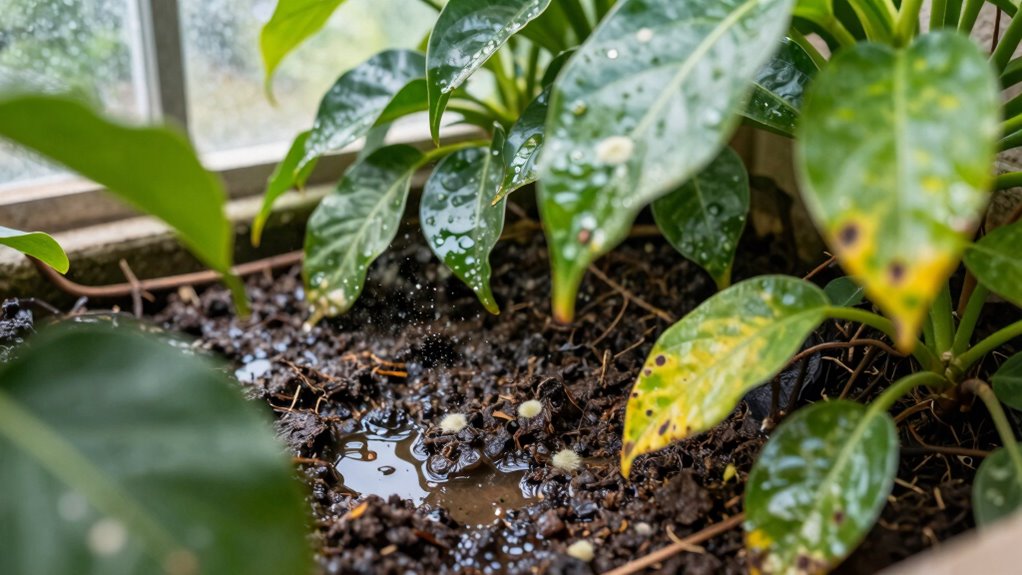
If your plants show signs of yellowing leaves and wilting despite adequate watering, they may be overwatered and at risk. Overwatering can lead to root rot, weakening the plant’s foundation and causing leaf yellowing. You might also notice:
- Soft, mushy roots when you gently check the soil, indicating root rot.
- Yellowing or pale leaves that turn brown at the edges, a sign of stress from excess water.
- Fungal growth or foul smell around the soil surface, further confirming overwatering issues.
- Overwatering can also impair the plant’s natural wellness and overall resilience, making it more susceptible to disease. Proper watering techniques are essential to prevent these problems and maintain healthy plants. Ensuring adequate humidity control can help prevent overwatering by improving soil moisture balance. Additionally, understanding the watering needs specific to each plant species can help avoid excessive moisture and promote healthier growth.
- Additionally, overwatering can create an environment conducive to waterborne pathogens, which can accelerate plant decline.
These symptoms suggest your plants are struggling with too much moisture, which creates a perfect environment for disease and further damage. Addressing these signs early helps prevent irreversible harm.
Monitoring Soil Moisture to Prevent Disease
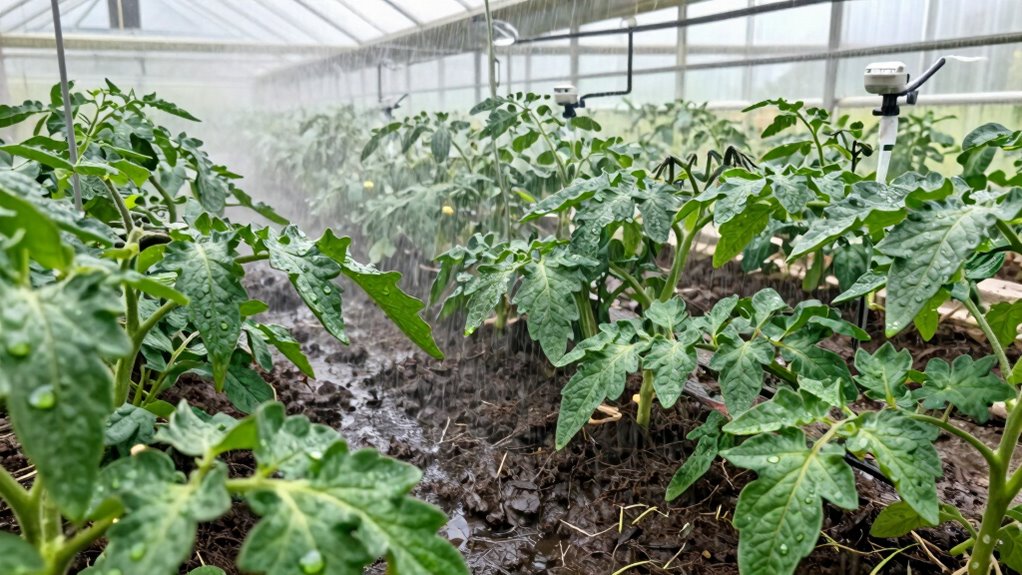
To prevent disease, you need to keep soil moisture levels just right. Using a moisture meter and checking soil regularly helps you stay on top of proper watering. By maintaining consistent moisture, you reduce the risk of overwatering and its associated problems. Implementing monitoring soil moisture techniques is essential for healthy greenhouse plants.
Proper Moisture Levels
Maintaining proper soil moisture levels is essential for preventing greenhouse diseases, as overly wet conditions create an ideal environment for pathogens to thrive. When you keep soil appropriately moist, root health improves because roots can absorb nutrients effectively without drowning. Proper humidity control also helps prevent excess moisture that encourages disease. To achieve this, consider these steps:
- Check soil moisture regularly, ensuring it stays consistently damp but not soggy.
- Maintain good airflow to reduce humidity buildup around plants.
- Water early in the day, allowing excess moisture to evaporate, reducing the risk of persistent dampness.
- Use moisture monitoring tools to accurately gauge soil conditions and avoid overwatering. Incorporating techniques like soil aeration can further help prevent water retention that fosters disease development. Additionally, understanding market trends in greenhouse supplies can help you choose the most effective tools and techniques for moisture control. Staying informed about soil health management practices can also enhance your efforts in disease prevention.
Use Moisture Meters
Using moisture meters provides an accurate way to monitor soil moisture levels and prevent overwatering that can lead to greenhouse diseases. Moisture sensors help you determine when your plants actually need water, avoiding guesswork and reducing the risk of excess moisture. By regularly checking soil moisture with these tools, you can fine-tune your watering schedules, ensuring you don’t water too frequently or too lightly. This precision minimizes conditions that promote fungal growth and bacterial infections. Incorporate moisture meters into your routine to get real-time data, making it easier to maintain ideal soil moisture. Consistent use helps you catch problems early and adjust watering habits accordingly, ultimately creating a healthier environment and reducing the likelihood of disease outbreaks caused by overwatering. Monitoring soil moisture is akin to tuning a high-performance engine, ensuring optimal conditions for healthy growth. Additionally, understanding plant water requirements allows for more targeted care, further reducing overwatering risks. Proper soil moisture management is essential for preventing the development of greenhouse diseases, and utilizing Moisture sensors can significantly improve your ability to maintain the correct conditions. Regularly calibrating your moisture meters ensures accurate readings, which is vital for effective water management in greenhouse environments.
Regular Soil Checks
Regularly checking soil moisture is essential for preventing greenhouse diseases caused by overwatering. When you monitor soil conditions, you help maintain root health and guarantee soil nutrients stay balanced. Overly moist soil can drown roots, making plants more vulnerable to disease. To keep your plants healthy, consider these steps:
- Use a moisture meter or simple finger test to check soil dampness regularly.
- Observe plant growth; wilting or yellowing can signal overwatering or root issues.
- Adjust watering schedules based on soil moisture levels, never guesswork.
Consistent checks help you catch problems early, reduce disease risk, and promote strong roots. Maintaining appropriate soil moisture levels supports healthy soil nutrients and keeps your greenhouse plants thriving.
How Overwatering Hampers Drainage and Airflow
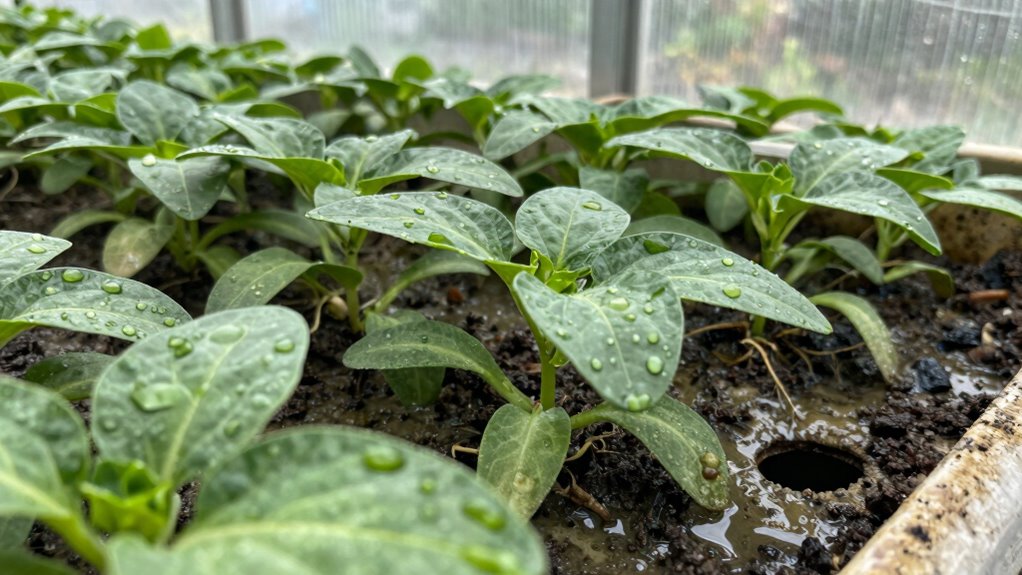
Overwatering can quickly disrupt the drainage system in your greenhouse, leading to waterlogged soil that doesn’t drain properly. When excess water accumulates, it causes drainage issues, making it hard for roots to access oxygen. This stagnant water creates a soggy environment that encourages disease growth. Additionally, overwatering hampers airflow within the soil and the greenhouse atmosphere. Poor airflow disruption traps humidity and heat, creating perfect conditions for mold, fungi, and other pathogens to thrive. Without proper drainage and ventilation, moisture lingers longer, increasing the risk of infections spreading among your plants. You might notice increased fungal growth or root rot, both of which are fueled by excess moisture and poor air circulation. Keeping soil well-drained and ensuring good airflow are essential steps to prevent disease escalation.
What to Do If You’ve Overwatered Your Plants
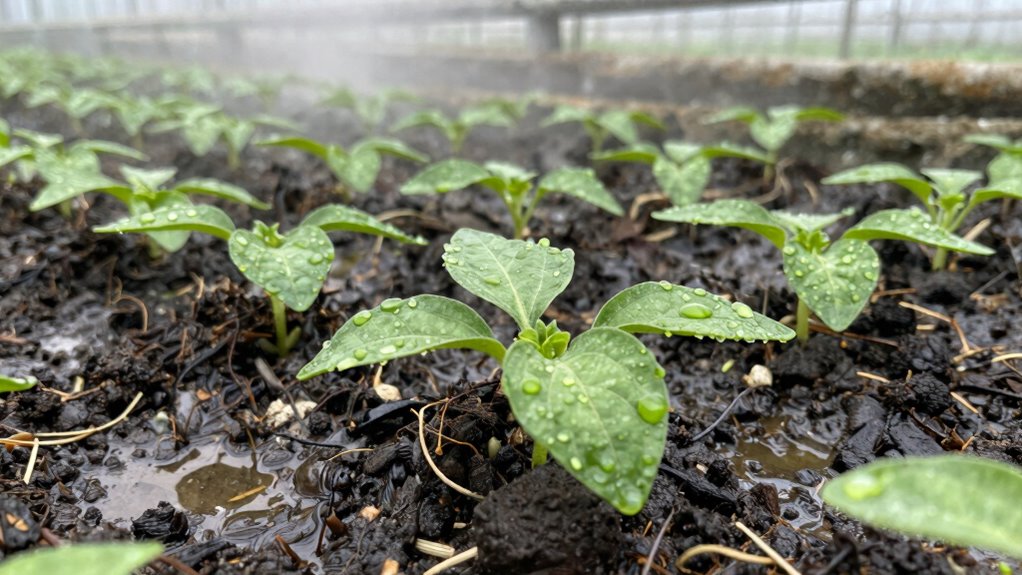
If you realize you’ve overwatered your plants, acting quickly can prevent further damage. First, stop watering immediately to avoid worsening root rot and soil saturation. Second, gently remove any waterlogged soil and roots to improve drainage and reduce the risk of disease spread. Third, guarantee your plants are in well-ventilated areas to promote drying, which supports healthy plant nutrition and prevents pests attracted to damp conditions. Remember, overwatering can weaken plants’ defenses, making pest control more difficult. Adjust your watering schedule to match the plant’s needs going forward, and consider using soil amendments that improve drainage. By acting swiftly, you help restore plant health, minimizing disease and maintaining a balanced environment for ideal growth.
Strategies for Balancing Watering and Keeping Plants Healthy
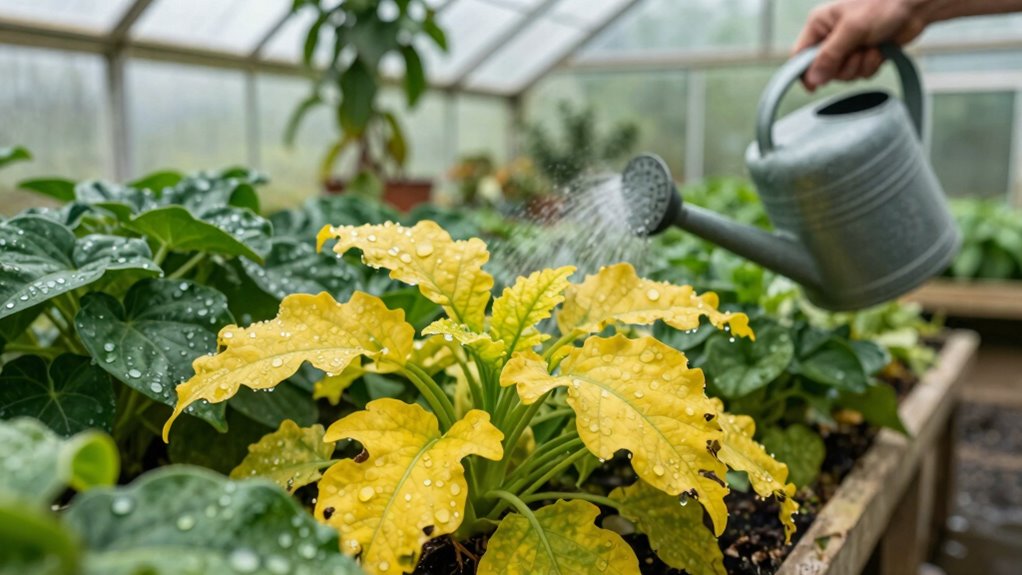
Maintaining the right balance of watering is essential for healthy plant growth, but it can be challenging to get just right. To avoid overwatering, establish consistent watering schedules based on your plants’ specific needs. Pay attention to soil moisture levels, checking regularly to prevent water from accumulating. Proper watering supports plant nutrition by ensuring roots absorb nutrients effectively without drowning or encouraging disease. Use well-draining soil and containers with drainage holes to prevent excess water retention. Adjust your watering routine according to environmental factors like temperature and humidity, which influence water loss. Keep notes on your plants’ responses to refine your schedule over time. By balancing watering carefully, you promote stronger, healthier plants and minimize the risk of greenhouse diseases caused by overwatering.
Best Practices for Preventing Greenhouse Disease Through Water Management
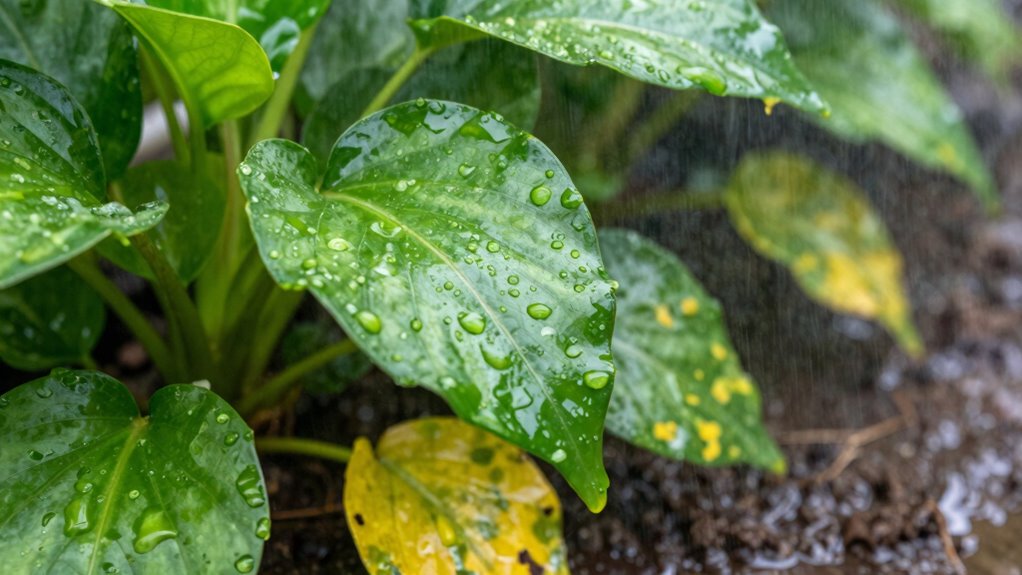
Effective water management is crucial for preventing greenhouse diseases, as excess moisture creates an ideal environment for pathogens to thrive. To avoid issues like root rot and water stress, follow these best practices:
- Water deeply but infrequently, allowing soil to dry slightly between watering sessions.
- Use well-draining soil and containers to prevent standing water around roots.
- Monitor moisture levels regularly to prevent overwatering and guarantee roots stay healthy.
Frequently Asked Questions
Can Overwatering Cause Long-Term Damage to Greenhouse Soil Health?
Overwatering can cause long-term damage to your greenhouse soil health. It leads to soil compaction, reducing air flow and root growth, and triggers nutrient leaching, which depletes essential nutrients needed for healthy plants. Over time, this weakens your soil’s structure and fertility, making it harder for your plants to thrive. To avoid these issues, water only as needed and guarantee proper drainage to maintain healthy, vibrant soil.
How Does Humidity Interact With Overwatering to Influence Disease Development?
High humidity levels combined with overwatering create ideal conditions for disease proliferation in your greenhouse. Excess moisture in the soil and air fosters fungal and bacterial growth, making it easier for diseases to spread rapidly. When humidity stays elevated, it hampers plant transpiration and immune responses, increasing vulnerability. To prevent this, you should monitor humidity levels closely, avoid overwatering, and guarantee proper ventilation to keep disease development under control.
Are Certain Plant Species More Vulnerable to Overwatering-Related Diseases?
You’ll find that certain plant species, like begonias and impatiens, are more vulnerable to overwatering-related diseases due to their high plant susceptibility. These plants often require less frequent watering, so overwatering can quickly lead to root rot and fungal infections. Knowing your plant’s watering frequency and susceptibility helps prevent disease, allowing you to maintain a healthier greenhouse environment and reduce the risk of widespread infections.
What Tools Can Best Detect Early Signs of Overwatering in Greenhouse Plants?
You can use soil moisture meters and root inspection tools to detect early signs of overwatering. Look out for root rot symptoms, such as blackened or slimy roots, which indicate excess moisture. Regular soil testing helps you monitor moisture levels, ensuring they stay ideal. Catching these signs early allows you to adjust watering habits before diseases worsen, protecting your greenhouse plants from severe damage caused by overwatering.
How Quickly Can Overwatering Lead to Irreversible Plant Health Decline?
You might notice symptoms of root rot and fungal outbreaks within days of overwatering, and once these issues set in, they can quickly become irreversible. The excess water creates a breeding ground for harmful pathogens, suffocating roots and spreading disease. If neglected, your plants’ health can decline rapidly, leading to permanent damage. Acting swiftly is essential; otherwise, the damage could be beyond repair, and your plants may never fully recover.
Conclusion
By understanding how overwatering weakens your plants, promotes disease, and hampers their growth, you take control of their health. You can prevent fungal outbreaks, improve airflow, and support strong roots. You can monitor soil moisture, adjust watering habits, and create a thriving greenhouse environment. You can protect your plants from disease, preserve their energy, and guarantee a flourishing garden. Take action today—empower your plants, defend your greenhouse, and nurture growth with mindful watering.