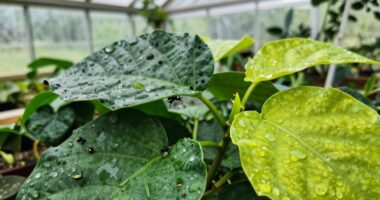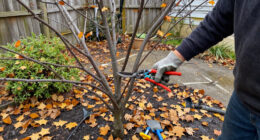
To prevent botrytis in humid conditions, guarantee your airflow is strong and consistent by using fans and proper spacing to keep air moving around your plants. Lower humidity levels with dehumidifiers or moisture-absorbing materials, and water early in the day so foliage can dry before nighttime. Regularly inspect your crops for early signs of infection and remove affected material promptly. Maintaining these environmental controls helps keep fungal growth at bay; learn more about effective prevention techniques as you continue.

Get garden gear delivered free with Prime
- Fast, free delivery on millions of items
- Prime Video, Amazon Music and more included
- Member-only deals all year
Key Takeaways
- Ensure proper air circulation using fans, vents, and plant spacing to prevent stagnant, humid conditions.
- Maintain humidity levels below 85% with dehumidifiers and moisture absorbers.
- Water plants early in the day to allow foliage to dry before night.
- Regularly inspect plants for early signs of infection and remove affected material immediately.
- Use reliable ventilation equipment and combine humidity control with good airflow practices.

Botrytis, also known as gray mold, can quickly threaten your crops if you don’t take proactive steps to prevent it. This fungal disease thrives in humid, damp environments, making it a common problem in greenhouses, storage areas, and outdoor fields during wet seasons. To keep it at bay, you need to focus on creating conditions that discourage its development. Two critical factors in this effort are air circulation and humidity control. Proper air circulation helps to reduce moisture buildup around your plants, while controlling humidity levels prevents the environment from becoming overly damp, which the fungus needs to grow.
Good air circulation is your first line of defense. You want to ensure that air moves freely around your plants, avoiding stagnant pockets of humid air. This can be achieved by spacing your plants appropriately, using fans, or venting your greenhouse or storage area effectively. When air flows smoothly, it helps to dry out surfaces and reduces the likelihood that spores will settle and colonize. Stagnant air encourages moisture retention and creates a perfect breeding ground for gray mold. Regularly inspect your ventilation systems and make adjustments to keep airflow consistent, especially during warm, humid weather conditions. Additionally, choosing vetted equipment for ventilation can enhance reliability and performance in managing airflow.
Humidity control is equally essential. Gray mold prefers environments with high humidity—generally above 85%—so maintaining a lower, stable humidity level is key. Use dehumidifiers or moisture-absorbing materials to help regulate the moisture in your growing or storage environment. If you’re working outdoors, consider watering plants early in the day so that the foliage dries before nightfall, when humidity tends to rise. Additionally, avoid overwatering, as excess moisture on leaves and stems provides an ideal surface for spores to land and infect. Monitoring humidity levels with a reliable hygrometer allows you to make real-time adjustments, ensuring conditions stay less hospitable to the fungus.
It’s important to stay vigilant even when conditions seem favorable. Regularly inspect your plants for early signs of gray mold—such as water-soaked spots, fuzzy gray patches, or rotting tissues—and remove infected material immediately. Combining these practices—maximizing air circulation and maintaining proper humidity—is your best strategy for preventing Botrytis from taking hold. Taking these steps not only reduces the risk but also promotes healthier, more resilient crops. By staying proactive and attentive to environmental conditions, you can keep gray mold at bay and protect your harvest effectively.
As an affiliate, we earn on qualifying purchases.
Frequently Asked Questions
How Does Humidity Specifically Influence Botrytis Development?
Humidity control directly impacts botrytis development because high humidity creates a perfect environment for mold growth. When moisture levels stay elevated, it encourages the spores to germinate and spread rapidly. To prevent mold, you need to maintain proper humidity levels, improve air circulation, and reduce excess moisture. These steps are essential for mold prevention, especially in humid conditions, helping you keep your plants healthy and mold-free.
Can Natural Predators Help Control Botrytis in Humid Environments?
Think of natural predators as tiny warriors patrolling your plants’ defenses. Biological control can be effective, but predator effectiveness varies with humidity levels; in humid environments, some predators struggle to thrive or hunt efficiently. While they can help keep botrytis in check, you shouldn’t rely solely on them. Combine biological control with good airflow and pruning to create a hostile environment for gray mold, ensuring your plants stay healthy.
What Are the Best Practices for Indoor Humidity Management?
To manage indoor humidity effectively, you should use ventilation strategies like exhaust fans and open vents to promote airflow. Installing humidity sensors helps you monitor moisture levels, ensuring they stay between 50-60%. Keep windows and doors open during dry periods, and consider dehumidifiers for consistent control. Regularly check sensors and adjust ventilation accordingly, which helps prevent excessive humidity that fosters gray mold growth.
Are There Organic Treatments Effective Against Botrytis?
Yes, organic treatments can be effective against botrytis. You should consider using organic fungicides like neem oil or copper-based solutions, which help control mold naturally. Additionally, companion planting with herbs like thyme or basil can deter botrytis spores. Remember, combining these organic methods with good airflow and humidity management boosts your chances of keeping gray mold at bay without chemicals.
How Quickly Does Botrytis Spread Under High Humidity Conditions?
Under high humidity, botrytis spreads quickly, often within days, as moisture retention creates ideal conditions for its fungus lifecycle. You’ll notice gray mold appearing rapidly on affected surfaces, especially where moisture persists. To slow its spread, reduce humidity levels, improve air circulation, and remove infected plant parts promptly. Staying vigilant and managing moisture effectively interrupts the fungus lifecycle, giving your plants a better chance to stay healthy and mold-free.
Conclusion
To keep gray mold at bay, stay vigilant as humidity rises like a quiet tide. Keep the air flowing, and don’t let moisture linger in hidden corners. Imagine your plants breathing freely, their leaves shining under the sun’s gentle touch. With careful monitoring and swift action, you’ll create a barrier against the damp darkness that feeds botrytis. Stay proactive, and let your garden flourish in a clear, healthy rhythm—free from the shadow of gray mold.
Fall yard work Picks
leaf blowers
As an affiliate, we earn on qualifying purchases.