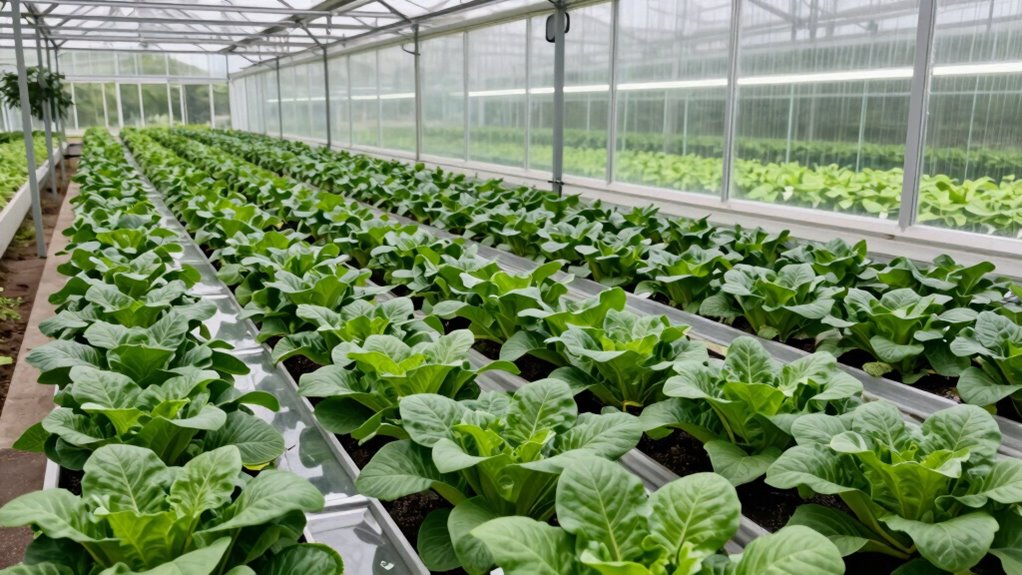

The quarantine rule that saves healthy greenhouse crops involves isolating new plants for 2 to 4 weeks, inspecting them carefully for pests and diseases, and applying preventive treatments. By maintaining vigilance and following strict protocols, you reduce the risk of introducing pests and pathogens into your main crops. This proactive approach lowers the chances of infestations, minimizes chemical use, and guarantees healthier, higher-quality yields. Keep going to discover more effective strategies to protect your greenhouse.

Get garden gear delivered free with Prime
- Fast, free delivery on millions of items
- Prime Video, Amazon Music and more included
- Member-only deals all year
Key Takeaways
- Isolate new plants for 2-4 weeks to detect and prevent pest and disease outbreaks.
- Conduct thorough inspections for pests and symptoms before introducing plants to main crops.
- Apply targeted treatments and environmental adjustments during quarantine to deter pests.
- Foster a culture of vigilance and strict protocols among staff for consistent quarantine practices.
- Early detection and prevention through quarantine minimizes crop loss and reduces chemical use.
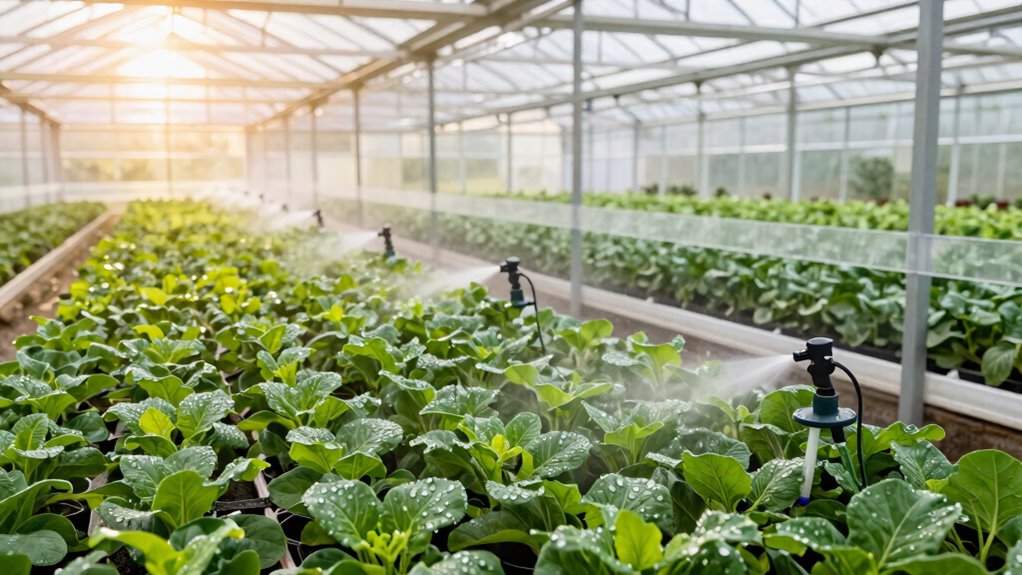
When it comes to protecting healthy greenhouse crops, implementing a strict quarantine rule can make all the difference. This approach is your frontline defense against pest prevention and disease management. When new plants arrive, they’re often the most vulnerable, bringing with them unseen pests or pathogens that can quickly spread if not properly isolated. By establishing a dedicated quarantine area, you give yourself the chance to inspect and treat new arrivals before they enter your main growing space. This step is crucial because it prevents pests from hitchhiking into your established crops, which can lead to infestations that are difficult and costly to control later.
In quarantine, you should thoroughly examine every new plant for signs of pests, such as eggs, webbing, or discoloration, and for symptoms of disease—wilting, spots, or unusual growth patterns. Regular monitoring during this period helps catch any issues early, when they’re easiest to address. You may need to use targeted treatments, like organic insecticides or fungicides, to eliminate potential threats before they reach your healthy crops. This not only reduces the risk of pest outbreaks but also curtails the spread of diseases, which can devastate entire greenhouses if left unchecked. Establishing a quarantine protocol is essential for maintaining the health of your entire crop system.
The quarantine process also extends beyond initial inspection. You should keep new plants separated for a recommended period—often 2 to 4 weeks—to observe any developing problems. During this time, you can implement preventive measures, such as adjusting humidity or temperature to discourage pest development, or applying preventative treatments. This proactive stance is essential in maintaining an environment that’s inhospitable to pests and pathogens, thereby safeguarding your entire crop system. Incorporating preventive measures into your quarantine routine can significantly reduce the likelihood of pest and disease introduction. Additionally, understanding the importance of pest prevention can help reinforce the necessity of strict quarantine protocols.
Implementing strict quarantine protocols also fosters a culture of vigilance. It reminds your team that every new plant is a potential threat, and that careful inspection and treatment are necessary steps in your integrated pest prevention and disease management strategies. Over time, this discipline becomes second nature, reducing the likelihood of accidental introductions and creating a healthier, more resilient greenhouse environment. The effort invested in rigorous quarantine practices pays off by minimizing crop loss, reducing chemical use, and ensuring high-quality yields.
Ultimately, your commitment to strict quarantine rules wins the fight against pests and diseases before they can take hold. It’s a simple yet powerful strategy that keeps your greenhouse crops healthy and productive, protecting your investment and ensuring long-term success.
greenhouse plant quarantine supplies
As an affiliate, we earn on qualifying purchases.
As an affiliate, we earn on qualifying purchases.
Frequently Asked Questions
How Long Does the Quarantine Period Typically Last?
The quarantine duration typically lasts between 14 to 30 days, depending on crop-specific timeframes. You should monitor your plants closely during this period for any signs of pests or diseases. The exact quarantine length varies based on the type of crop and potential threats involved. Staying vigilant and adhering to recommended timeframes helps guarantee your greenhouse remains healthy and free of harmful pests or pathogens.
What Are the Key Signs Pests or Diseases Are Present?
You notice tiny, swirling webs or irregular spots on leaves—that’s pest identification. Yellowing, wilting, or fuzzy mold signal disease symptoms. You might see tiny insects scurrying or eggs clinging to stems. Keep a close eye on leaf discoloration, holes, or sticky residue. Recognizing these signs early helps you catch pests or diseases before they spread, ensuring your greenhouse remains lush and healthy. Regular inspections are your best defense.
Can Quarantine Procedures Be Automated or Require Manual Oversight?
Quarantine procedures can incorporate both automated monitoring and manual inspection. Automated systems, like sensors and cameras, continuously track crop health, detecting early signs of pests or diseases. However, manual inspection remains essential for confirming issues and evaluating complex problems that technology might miss. Combining automated monitoring with manual oversight ensures thorough quarantine processes, improving crop health while saving time and reducing human error.
How Do Quarantine Rules Differ Between Crop Types?
You’ll find quarantine rules differ between crop types because of their unique vulnerabilities. For soil treatment, root crops may require specific sterilization methods, while leafy greens need pest detection protocols tailored to their pests. These distinctions guarantee each crop’s safety, balancing strict quarantine procedures with targeted treatments. By understanding these differences, you help prevent disease spread and protect your greenhouse’s health, all while adapting to each crop’s specific needs.
Are There Any Legal Penalties for Non-Compliance?
Yes, there are legal consequences for non-compliance with quarantine rules. If you ignore enforcement measures, you could face fines, penalties, or even criminal charges, depending on the severity of the violation. Authorities actively monitor compliance, and legal consequences aim to guarantee everyone follows regulations. It’s essential to adhere to quarantine protocols to avoid these enforcement measures and protect healthy crops from pests and diseases.
Conclusion
By following quarantine rules diligently, you safeguard your healthy greenhouse crops from invasive pests and diseases. These measures act as a shield, preventing problems before they take root. Remember, an ounce of prevention is worth a pound of cure—staying vigilant now saves you headaches later. Keep strict quarantine practices in place, and you’ll keep your crops thriving and your investment safe. Don’t let your guard down; it’s better to be safe than sorry in greenhouse management.
Fall yard work Picks
leaf blowers
As an affiliate, we earn on qualifying purchases.