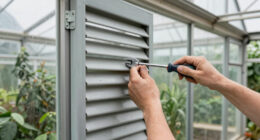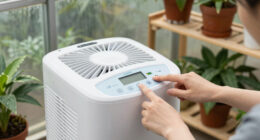
A well-designed greenhouse supports better daily flow by combining climate control and pest management features. Smart sensors and automated systems let you maintain ideal temperature, humidity, and airflow effortlessly. Pest prevention is streamlined with layout design, regular monitoring, and natural enemies. These integrated features create a stable, healthy environment that reduces manual work, prevents issues, and keeps your plants thriving. Keep exploring to discover how these elements can transform your greenhouse operations even further.

Get garden gear delivered free with Prime
- Fast, free delivery on millions of items
- Prime Video, Amazon Music and more included
- Member-only deals all year
Key Takeaways
- Automated climate control systems maintain optimal temperature, humidity, and airflow for seamless daily operations.
- Smart sensors provide real-time data to facilitate quick, precise environmental adjustments.
- Thoughtful layout design minimizes pest entry points and streamlines maintenance routines.
- Natural pest management strategies reduce disruptions and chemical dependencies.
- Integration of climate and pest control creates a stable, healthy environment for consistent productivity.
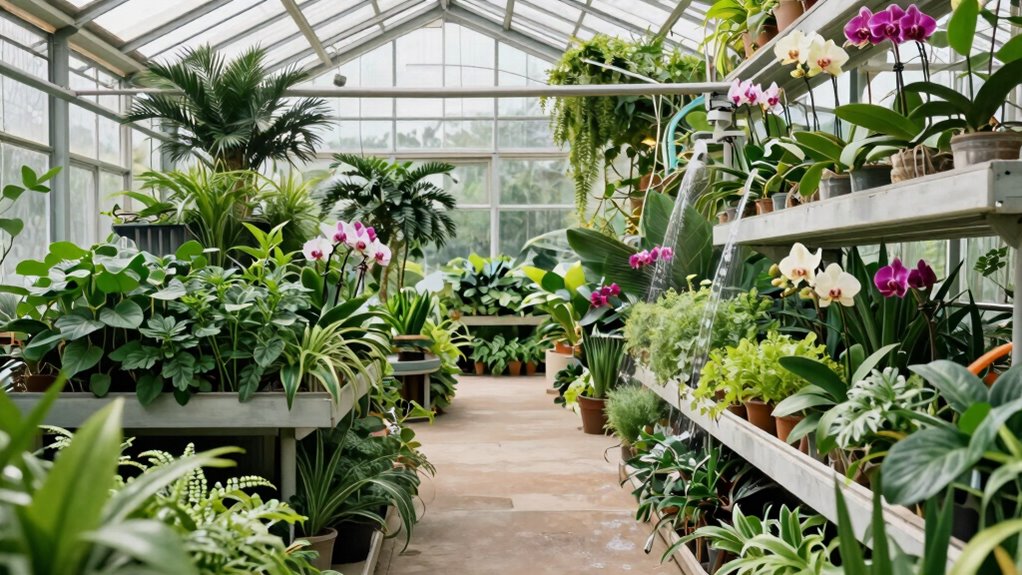
A well-designed greenhouse isn’t just about sheltering plants; it’s about creating a harmonious environment that combines functionality and style. When you focus on the right features, your daily operations become smoother, more efficient, and more productive. Two critical aspects to consider are climate control and pest management. These elements work together to guarantee your plants thrive and your greenhouse remains a healthy, manageable space.
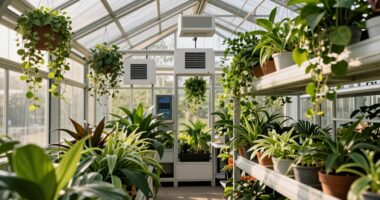
Climate control is the backbone of a successful greenhouse. You need to regulate temperature, humidity, and airflow to match the specific needs of your plants. Automated ventilation systems, such as exhaust fans and roof vents, help maintain consistent conditions, preventing overheating or excessive cold. Installing shading options can protect delicate plants from harsh sunlight, while heaters or misting systems can boost humidity when necessary. When climate control is precise, you reduce stress on your plants, minimize disease risks, and create a stable environment that encourages growth year-round. This stability also streamlines your daily routine, as you’re less likely to need constant manual adjustments, freeing up your time for other tasks. Incorporating climate regulation technology enhances your ability to maintain optimal conditions effortlessly. Additionally, integrating smart sensors can further optimize environmental settings by providing real-time data for precise adjustments. Understanding environmental monitoring is essential for maintaining a resilient greenhouse system.
Pest management is equally essential and works best when integrated into your greenhouse’s overall design. A well-thought-out layout minimizes pest entry points, with screens on vents and doors acting as physical barriers. Keeping your workspace clean and removing plant debris reduces hiding spots for pests, making infestations less likely. Regular monitoring using sticky traps or visual inspections allows you to catch pest issues early, preventing severe damage. Introducing beneficial insects or natural predators can control pests without relying heavily on chemicals, promoting a healthier environment for your plants and yourself. Proper pest management not only protects your crops but also reduces the time and effort needed to combat infestations, making daily maintenance more predictable and less stressful. Additionally, understanding the pest lifecycle can help you develop more targeted and effective control strategies.
Combining effective climate control with robust pest management creates a seamless flow in your daily routine. When you’re confident that your greenhouse can adapt to environmental changes and keep pests at bay, you spend less time troubleshooting problems and more time nurturing your plants. These features support a balanced ecosystem within your space, leading to healthier plants, higher yields, and a more enjoyable gardening experience. Whether you’re a hobbyist or a professional grower, investing in these core features guarantees your greenhouse functions smoothly, allowing you to focus on what really matters: cultivating a thriving, vibrant environment.
automated greenhouse climate control system
As an affiliate, we earn on qualifying purchases.
As an affiliate, we earn on qualifying purchases.
Frequently Asked Questions
How Does the Greenhouse Feature Mix Improve Daily Productivity?
The greenhouse feature mix improves your daily productivity by optimizing plant growth and energy efficiency. With better climate control and smart technology, you spend less time managing conditions, allowing your plants to thrive faster. This efficient setup reduces energy use, lowering costs and environmental impact. As a result, you experience a smoother workflow, healthier plants, and more reliable yields, making your daily tasks easier and more effective.
Can This Feature Mix Be Customized for Different Climate Zones?
Yes, you can customize this feature mix for different climate zones, enhancing climate adaptability and zoning flexibility. You can adjust the greenhouse’s insulation, ventilation, and shading to suit specific weather patterns, ensuring ideal plant growth and energy efficiency. This customization allows you to create a tailored environment, regardless of your location. By focusing on climate adaptability and zoning flexibility, you maximize the greenhouse’s effectiveness and support your gardening goals year-round.
What Is the Maintenance Required for the Greenhouse Features?
You’ll need to regularly inspect your greenhouse features for pest control issues and guarantee drainage systems remain clear. Keep an eye out for pests and take prompt action, like using organic treatments or introducing beneficial insects. Maintain drainage by clearing debris and checking for clogs to prevent water buildup. Regular cleaning and monitoring help sustain ideal conditions, making your greenhouse more productive and reducing long-term repair needs.
Are There Eco-Friendly Options Within This Greenhouse Feature Mix?
Did you know that over 70% of consumers prefer eco-friendly products? Within this greenhouse feature mix, you’ll find eco-conscious design options using sustainable materials like recycled wood and biodegradable plastics. These choices help reduce environmental impact while maintaining durability. Incorporating eco-friendly options aligns with your sustainability goals and promotes a healthier environment, making your greenhouse both functional and environmentally responsible.
How Affordable Is Implementing This Greenhouse Feature Mix?
Implementing this greenhouse feature mix is quite affordable, especially when you do a thorough cost analysis and consider your budget. You can start small, focusing on key eco-friendly options that improve daily flow without overspending. By comparing prices and prioritizing essential features, you’ll find that balancing quality and cost is achievable. With careful planning, you’ll maximize benefits while staying within your financial limits.
Conclusion
So, after all this, you might think that assembling the perfect greenhouse feature mix is straightforward. Yet, it’s almost amusing how the very elements designed to streamline your daily flow can sometimes complicate it, forcing you to rethink what “efficiency” truly means. In the end, the best setup might just be the one that surprises you, proving that even in a world of plans and features, a little chaos can be the secret to harmony.
Halloween Picks
halloween
As an affiliate, we earn on qualifying purchases.