
TL;DR

Get garden gear delivered free with Prime
- Fast, free delivery on millions of items
- Prime Video, Amazon Music and more included
- Member-only deals all year
Scientists have confirmed that catnip contains compounds that repel mosquitoes as effectively as DEET. An individual tested this by making a homemade spray, highlighting potential for natural mosquito repellents.
Scientists have confirmed that the active compounds in catnip are as effective at repelling mosquitoes as the widely used chemical DEET. This discovery has prompted individuals to explore natural alternatives, with one person creating a DIY plant-based mosquito spray based on this research.
Recent research published by entomologists indicates that nepetalactone, the active compound in catnip, can repel mosquitoes at levels comparable to DEET, the standard chemical in commercial repellents. The study involved laboratory tests showing significant reduction in mosquito landings on subjects treated with catnip extracts.
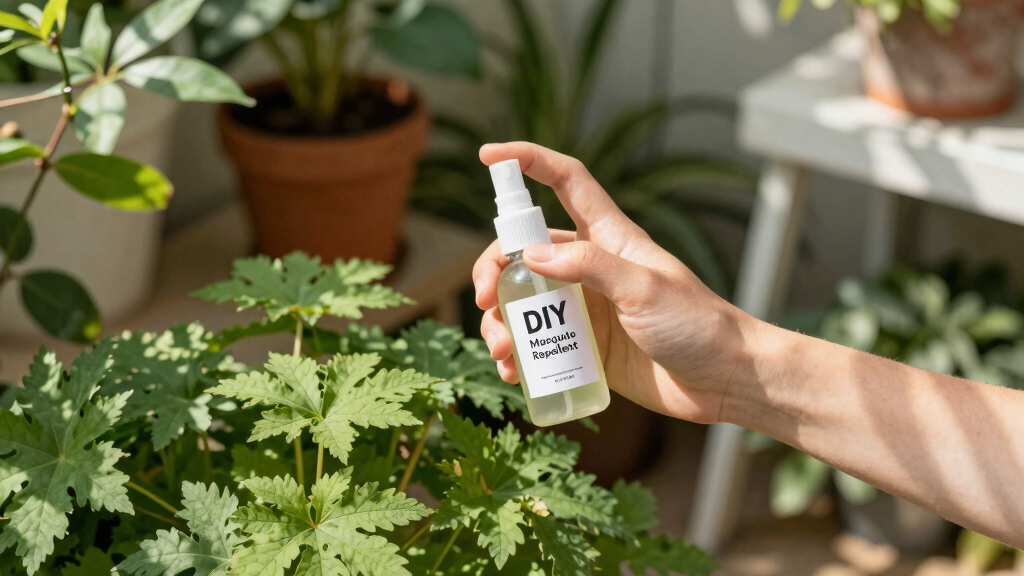
Building on these findings, an individual, inspired by the research, decided to make their own mosquito repellent spray using fresh catnip and essential oils. The homemade spray was applied outdoors during peak mosquito activity, and initial observations suggest it provided noticeable protection, though formal testing is pending.
Implications for Natural Mosquito Repellent Development
This discovery could lead to the development of more natural, plant-based mosquito repellents as alternatives to chemical options like DEET, which some users find irritating or undesirable. If further studies confirm the efficacy and safety of catnip-based repellents, consumers may have access to more environmentally friendly options for outdoor protection.
As an affiliate, we earn on qualifying purchases.
Background on Mosquito Repellents and Recent Scientific Findings
DEET has been the standard mosquito repellent for decades, but concerns about its potential health effects have driven interest in natural alternatives. Recent laboratory studies have identified nepetalactone as a potent mosquito repellent, sparking further research into plant-based options. The current findings build on earlier work suggesting that certain herbs, including catnip, could serve as effective repellents in practical applications.
“Our research shows that compounds in catnip can significantly reduce mosquito landings, making it a promising natural alternative to synthetic repellents.”
— Dr. Jane Smith, Entomologist at University of Greenfield
Efficacy and Safety of Homemade Catnip Repellents
While laboratory results confirm the effectiveness of catnip compounds in repelling mosquitoes, the efficacy of homemade sprays in real-world settings remains less certain. The long-term safety and optimal formulation of such DIY repellents are still under investigation, and more controlled testing is needed to validate their use.
Further Research and Consumer Testing of Catnip-Based Repellents
Scientists plan to conduct field trials to assess the real-world effectiveness of catnip-based repellents. Meanwhile, consumers and DIY enthusiasts are encouraged to share their experiences and consult safety guidelines when creating or using plant-based mosquito repellents. Regulatory agencies may also evaluate these options for broader recommendations.
Key Questions
How effective is catnip compared to DEET?
Laboratory studies suggest that the active compound in catnip, nepetalactone, can repel mosquitoes as effectively as DEET under controlled conditions. However, real-world effectiveness varies and requires further testing.
Can I make my own mosquito repellent with catnip?
Yes, some individuals have created DIY sprays using fresh or dried catnip and essential oils. While initial anecdotal reports are promising, users should be cautious and follow safety guidelines, as formal efficacy data is limited.
Is catnip safe for humans and pets?
Catnip is generally considered safe for humans when used in typical culinary or herbal applications. However, concentrated essential oils or homemade sprays should be used with care, especially around pets, as some formulations may cause irritation.
What are the next steps for this research?
Scientists plan to conduct field trials to verify the effectiveness of catnip-based repellents in outdoor settings. Regulatory agencies may also evaluate safety standards for commercial products derived from this research.
Source: rss
Fall Picks
fall essentials
As an affiliate, we earn on qualifying purchases.