TL;DR

Get garden gear delivered free — and shop member deals
- Fast, free delivery on millions of items
- Access to Prime Big Deal Days deals on October 6–7
- Prime Video, Amazon Music and more included
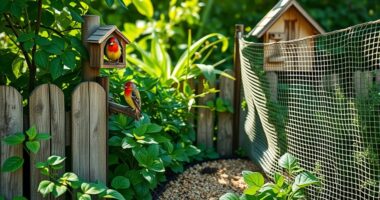
Gardeners can naturally reduce slug populations while attracting birds by using citrus fruit halves as pest traps. This eco-friendly approach is cost-effective and simple to implement.
Gardeners can now naturally control slugs while encouraging bird visits by placing leftover citrus halves around their gardens, according to experts. This simple method offers an eco-friendly, cost-effective alternative to chemical pest control and enhances bird activity.
According to Richard Green, a bird feeding specialist, placing cut halves of oranges or grapefruits in the garden attracts both birds and slugs. The citrus acts as a food source for birds like orioles, while the damp, leftover rinds lure slugs, which are then preyed upon by the birds. This dual-purpose approach leverages natural behaviors to manage pests without chemicals or expensive traps.
Gardeners have reported that this method is easy to implement: simply cut citrus fruits in half and distribute them strategically throughout the garden. While it may not eliminate slugs overnight, it creates an environment less appealing to these pests and more inviting for beneficial birds. Experts emphasize that this approach works best as part of an integrated pest management plan, not as a standalone solution.
Eco-Friendly Pest Control Enhances Garden Biodiversity
This method matters because it promotes sustainable gardening practices by reducing reliance on chemical pesticides, which can harm beneficial insects and the environment. It also increases bird activity, supporting local ecosystems and natural pest regulation. For gardeners with limited budgets, this approach offers a simple, effective way to maintain plant health while supporting wildlife.
citrus fruit halves for slug control
As an affiliate, we earn on qualifying purchases.
As an affiliate, we earn on qualifying purchases.
Natural Pest Control Trends in Home Gardening
Using citrus rinds as slug traps has gained popularity among eco-conscious gardeners, with growing awareness of sustainable pest management. Traditional methods like slug pellets or barriers can be costly or environmentally damaging. The citrus trap method aligns with a broader movement toward natural, wildlife-friendly gardening, especially during peak slug season in spring and summer.
Previous efforts have included manual removal or chemical controls, but these can be less sustainable or more labor-intensive. The citrus approach offers a passive, low-cost alternative that encourages beneficial species and reduces pest populations naturally.
“Using citrus-fruit traps is a fantastic, natural alternative for pest control in the garden. Cutting an orange or grapefruit in half and placing the halves throughout your garden can serve a dual purpose. Birds are drawn to the fruit, and slugs are attracted to the leftover rinds.”
— an anonymous researcher
Unconfirmed Effectiveness and Best Practices
While anecdotal reports and expert opinions support the use of citrus halves for slug control, there is limited scientific research quantifying its effectiveness. It is not yet clear how long the traps remain effective or how they compare to other slug control methods in different garden environments. Further studies are needed to establish optimal placement, frequency, and citrus types for maximum benefit.
Monitoring Results and Refining the Approach
Gardeners are encouraged to try this method and observe its impact over the season. Collecting data on slug activity and bird visits can help refine placement and timing. Additionally, combining citrus traps with other natural methods, such as encouraging ground cover or using copper barriers, may improve overall pest management. Future research could provide more detailed guidelines for best practices.
Key Questions
Will placing citrus halves eliminate all slugs from my garden?
It is unlikely to completely eradicate slugs but can significantly reduce their numbers when used as part of an integrated pest management plan.
How often should I replace the citrus halves?
Replacing citrus halves every few days or when they become dry or heavily slug-infested will maintain their effectiveness.
Are there any risks to my plants or pets from using citrus traps?
Generally, citrus rinds are safe, but gardeners should monitor for any signs of pests attracted to other garden areas and ensure pets do not ingest large quantities of citrus pulp.
Can I use other fruits for this purpose?
Citrus fruits are preferred because of their strong scent and moisture, but other fermenting fruits may attract slugs and birds similarly. However, citrus is most recommended for its dual benefits.
Source: rss
Halloween Picks
halloween
As an affiliate, we earn on qualifying purchases.