TL;DR

Get garden gear delivered free with Prime
- Fast, free delivery on millions of items
- Prime Video, Amazon Music and more included
- Member-only deals all year
Gardening Know How says October is a suitable time to take semi-hardwood cuttings from rosemary, lavender, fuchsia, holly and boxwood. The method uses mature but still flexible stems, a free-draining rooting mix and a humid, sheltered environment; rooting success and winter needs vary by plant and climate.
Gardening Know How has outlined how home gardeners can take October cuttings from rosemary, lavender, fuchsia, holly and boxwood, using semi-hardwood stems to raise plants for next spring. The advice offers a way to expand a garden without buying established plants, though successful rooting depends on suitable stems, moisture control and protection over winter.
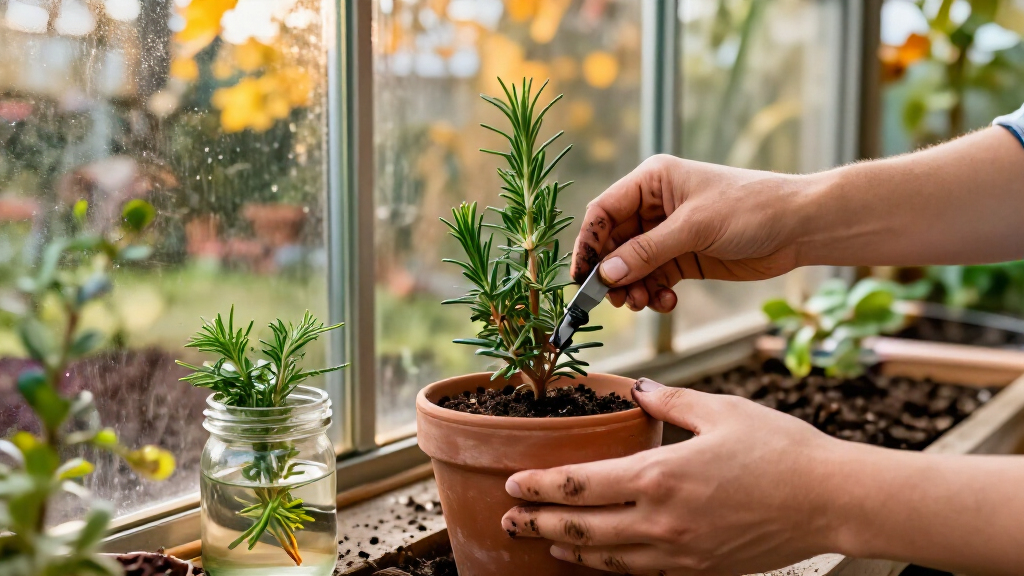
The method uses semi-hardwood cuttings: stems that have become woody near the base but remain green and flexible toward the tip. The report says fall growth is more mature and less prone to drying than soft summer growth. It recommends choosing a healthy, non-flowering stem and taking a piece about 4 to 6 inches (10 to 15 centimeters) long, cutting just below a leaf node with sharp bypass pruners.
Remove leaves from the lower portion and keep a few at the top. Set the cutting into a small pot of sterile, free-draining rooting mix, with at least one bare leaf node below the surface and no leaves buried. Rooting hormone may help with some plants, the report says, but is not always needed. Water the mix, then cover the pot with a clear plastic bag to hold humidity while keeping it in bright, indirect light away from cold drafts.
The five plants named are rosemary, lavender, fuchsia, holly and boxwood. For rosemary and lavender, the guidance stresses drainage and warns against keeping the mix too wet. Fuchsia cuttings can provide an indoor backup where outdoor winter conditions pose a risk. The provided source excerpt does not include its full plant-specific instructions for holly and boxwood, so their precise care requirements cannot be detailed here.
A Low-Cost Start for Spring Plants
Taking cuttings can let gardeners multiply plants they already grow, rather than purchasing new specimens for borders or containers. October’s semi-hardwood growth may be more robust than softer summer stems, according to Gardening Know How, making this a useful seasonal task for people who want to prepare plants before spring.
The approach is not a guarantee of success or an instant way to fill a garden. Cuttings need attention while they develop roots, and young plants may need to remain protected through winter. Climate and plant-specific needs matter: the report advises keeping cuttings indoors in colder conditions and gives rosemary and lavender well-drained rooting mix as a priority.
plant propagation kit for cuttings
As an affiliate, we earn on qualifying purchases.
As an affiliate, we earn on qualifying purchases.
Why October Cuttings Use Firmer Stems
The source describes October propagation as using growth that has matured through the growing season. Unlike softwood cuttings taken in summer, semi-hardwood stems have a firmer outer layer while retaining flexible green growth at the tip. The report says this can make them more resilient to drying, although they still have leaves that lose moisture before roots form.
Its instructions focus on balancing that risk: a clear cover holds humidity, while a free-draining medium helps prevent excess moisture around the stem. Once new leaves appear or a gentle upward tug meets resistance, the cutting may have rooted. The report recommends removing the cover gradually over three days, then watering and tending the young plant through winter before planting it out in spring.
“The current season’s growth is mature.”
— Gardening Know How
Rooting Results Depend on Conditions
The article presents these plants as suitable candidates but gives no success rates or comparative trial data. It is not clear how quickly each species will root under different indoor conditions, or whether every named variety responds equally well. The source says fresh leaves may appear within a few weeks, but also recommends checking for resistance to a gentle tug; new growth alone is not described as a precise timetable for all plants.
Winter care also depends on local climate and the individual plant. The source advises indoor overwintering in colder conditions, but does not specify temperature ranges, watering schedules or detailed care for holly and boxwood in the supplied excerpt. Gardeners should treat the steps as general guidance and adjust to their plant and growing conditions.
Root, Harden Off and Plant in Spring
After potting, keep the rooting medium moist but not waterlogged, and watch for firm stems, new leaves or resistance when the cutting is gently tugged. If it appears rooted, the report advises acclimating it gradually: open the bag slightly on the first day, widen the opening the next day, and remove it on the third day.
Continue caring for the young plant through winter, protecting it from cold conditions where needed. The source’s next milestone is planting established cuttings outdoors in spring. It does not provide a fixed date for planting, so gardeners will need to account for local weather and whether each plant is ready to be moved.
Key Questions
Which plants does the October cutting guide name?
It names rosemary, lavender, fuchsia, holly and boxwood as plants to propagate from semi-hardwood cuttings.
What does semi-hardwood mean?
It describes a stem that is woody at the base but still green and flexible near the top. The guide recommends taking a healthy, non-flowering piece about 4 to 6 inches long.
Does every cutting need rooting hormone?
No. Gardening Know How says rooting hormone may help some plants but is not always necessary. It emphasizes a suitable cutting, free-draining rooting mix and keeping at least one bare leaf node below the mix.
How can I tell whether a cutting has rooted?
The guide says fresh leaves may appear within a few weeks. After about a month, a gentle upward tug that meets resistance can also indicate roots; a successful cutting should look firm rather than shriveled.
When can the new plants go outdoors?
The source recommends tending young cuttings through winter and planting them out the following spring. The timing depends on local conditions and the plant’s readiness.
Source: rss
Fall Picks
fall essentials
As an affiliate, we earn on qualifying purchases.