TL;DR

Get garden gear delivered free — and shop member deals
- Fast, free delivery on millions of items
- Access to Prime Big Deal Days deals on October 6–7
- Prime Video, Amazon Music and more included
A houseplant has survived extreme heat conditions that have killed other indoor plants. Experts suggest its unique characteristics make it nearly indestructible, raising interest among plant enthusiasts.
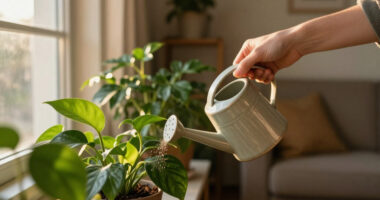
A houseplant has remained healthy and virtually unscathed amid a recent record-breaking heatwave that has caused the death of other indoor plants, according to a homeowner in California. This resilience has drawn attention from plant enthusiasts and experts alike, as it highlights the potential for certain species to withstand extreme conditions.
The homeowner, who wishes to remain anonymous, reported that while most of their houseplants withered and died during the recent heatwave, one plant — a type of succulent — continued to thrive. The plant in question is described as being ‘virtually unkillable,’ even with prolonged exposure to temperatures exceeding 100°F indoors. Experts suggest that its thick, fleshy leaves and drought-resistant adaptations contribute to its resilience.
According to horticultural specialist Dr. Emily Carter, ‘Succulents like aloe vera and jade plants have evolved to survive in arid environments, making them naturally more resistant to heat and drought.’ She emphasizes that these plants store water in their leaves, which helps them endure extreme conditions that would typically harm other houseplants.
While other plants such as ferns, pothos, and philodendrons showed signs of stress and began to wilt or die, the resilient plant remained healthy, with no visible damage. The homeowner noted that they had kept the plant in the same indoor environment as the others, but it appears to have a significant advantage in heat tolerance.
Why The Heat-Resistant Plant Matters for Indoor Gardening
This incident underscores the importance of selecting heat-tolerant plants for indoor environments, especially as climate change leads to more frequent and intense heatwaves. It suggests that certain species, like succulents, could become more popular among homeowners seeking low-maintenance, resilient greenery. Additionally, understanding the traits that make these plants hardy could inform future breeding and cultivation strategies, helping to create more resilient indoor gardens.
For plant enthusiasts and professionals, this case highlights the potential for using specific plant types to mitigate the risks associated with heat stress, ensuring greener, healthier indoor spaces even during extreme weather events.
As an affiliate, we earn on qualifying purchases.
Background on Plant Resilience and Recent Heat Events
Over the past decade, rising global temperatures have increased the frequency of heatwaves, impacting both outdoor and indoor plant health. Many houseplants, especially those not adapted to high temperatures, have shown stress symptoms or died during recent heat spells. Succulents and drought-resistant plants have long been known for their ability to survive in harsh conditions, but their performance indoors during heatwaves has gained renewed interest.
This particular incident occurred during a heatwave in late July 2024, when indoor temperatures in some regions surpassed 100°F, despite air conditioning. The homeowner’s experience aligns with broader observations that heat-tolerant plants can be critical for maintaining indoor greenery in changing climate conditions.
Experts have noted that plant selection for indoor gardening may need to adapt as extreme weather becomes more common, emphasizing the importance of understanding species-specific resilience traits.
“‘Succulents like aloe vera and jade plants have evolved to survive in arid environments, making them naturally more resistant to heat and drought.'”
— Dr. Emily Carter, horticultural specialist
Unclear Factors Behind the Plant’s Extreme Resilience
While experts agree that succulents’ physical adaptations contribute to their heat tolerance, it is not yet confirmed why this particular plant survived conditions that killed others. Factors such as specific species, soil composition, or microenvironment effects remain under investigation. Additionally, long-term effects of sustained high temperatures on this plant’s health are still unknown.
Next Steps in Understanding Plant Heat Tolerance
Researchers plan to conduct controlled experiments comparing different houseplants under simulated heatwave conditions to identify key traits for resilience. Homeowners and gardeners are encouraged to consider heat-tolerant species for indoor planting, especially in regions experiencing climate extremes. Further studies may lead to improved plant breeding for heat resistance.
Key Questions
Why are succulents more heat-resistant than other houseplants?
Succulents store water in their leaves and have adapted to survive in dry, hot environments, making them more resistant to heat and drought compared to other plants.
Can other houseplants be made more heat-tolerant?
While some traits can be enhanced through breeding or care, most houseplants have specific environmental needs. Selecting naturally resilient species is currently the most effective strategy.
Does this mean all succulents are indestructible?
No, succulents are hardy but still require proper care. Extreme conditions over prolonged periods can still harm them.
Should I replace my houseplants with succulents to avoid heat damage?
Not necessarily. While succulents are more heat-tolerant, other plants can also thrive indoors with proper care and environment management. Consider your specific conditions and plant needs.
Source: rss
Fall Picks
fall essentials
As an affiliate, we earn on qualifying purchases.