
TL;DR

Get garden gear delivered free — and shop member deals
- Fast, free delivery on millions of items
- Access to Prime Big Deal Days deals on October 6–7
- Prime Video, Amazon Music and more included
Country Living’s indoor gardening report highlights basil, cherry tomatoes, chives, lettuce, mint, oregano and radishes as candidates for growing indoors through winter. Success depends on suitable containers, adequate light and careful watering; the report says yields and growing conditions vary by plant.
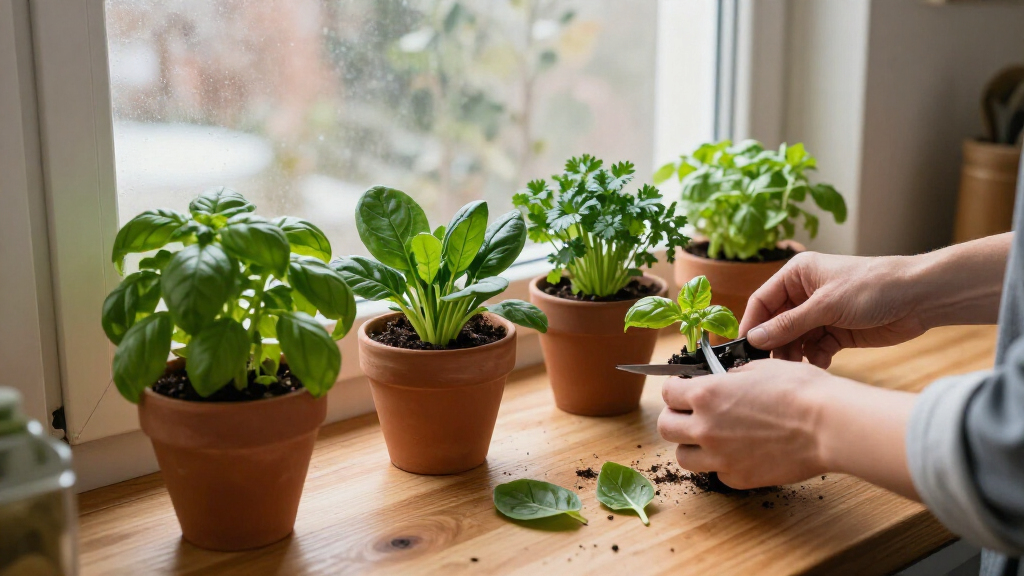
Country Living has published a guide to seven herbs and vegetables that can grow in containers indoors during winter, offering gardeners a way to harvest some fresh produce when outdoor beds are dormant. The report names basil, cherry tomatoes, chives, lettuce, mint, oregano and radishes, while emphasizing that indoor growth depends on adequate light, temperature and plant-specific watering.
The report recommends using a container large enough for the plant to mature and a good-quality potting mix. It suggests checking seed packets or plant labels for expected plant size. During the darkest winter months, Country Living advises using a grow light for at least 10 hours a day, saying insufficient light can leave plants spindly and cause them to die back.
For the indoor growing area, the article recommends daytime temperatures of 65 to 70°F, with slightly cooler conditions at night. It cautions against placing herbs in drafts near heating or air-conditioning vents and advises feeding them every two weeks with water-soluble fertilizer, following the product label. Watering needs differ: basil and chives should have moist soil, while oregano and sage should dry out somewhat between waterings.
Several choices suit different uses and growing methods. Compact cherry tomato varieties are the report’s recommendation for indoor pots, but they need substantial light and may still face pests such as aphids, stinkbugs and mites. Lettuce varieties including Bibb, butterhead and romaine can be grown indoors, though the article warns that yields are generally smaller. Radishes are described as quick-growing in the loose soil found in containers. Mint can start from a transplant or a cutting rooted in water; basil can also be grown from seed, a transplant or a rooted cutting.
Fresh Harvests Beyond Outdoor Beds
Indoor containers can extend access to fresh herbs and some vegetables when outdoor growing has paused, reducing reliance on store-bought herbs for everyday cooking. The guide also sets expectations: indoor growing is not a direct substitute for a summer garden, particularly for crops such as lettuce, whose indoor yields may be smaller.
Light is a practical constraint for winter growers. Country Living says a grow light may be needed during short, dark days, especially for fruiting cherry tomatoes. The recommendations give readers a starting point, but outcomes will depend on the available light, indoor conditions, container size and care.
indoor grow light for herbs and vegetables
As an affiliate, we earn on qualifying purchases.
As an affiliate, we earn on qualifying purchases.
What the Indoor Garden Needs
The article notes that not every vegetable is suited to indoor growing, using zucchini as an example. Its list focuses instead on plants that can be managed in containers, including leafy greens, herbs and compact tomato varieties. It presents fewer outdoor pests as a possible advantage, but does not claim indoor plants are pest-free; it specifically names several insects and mites that can affect tomatoes inside.
The report’s care advice is general rather than a guarantee of results. It gives broad temperature and lighting guidance, while pointing readers to seed packaging or plant labels for mature size. The source material does not provide a location-specific planting calendar, measured yield comparisons or controlled trials of the seven plants.
““For the darkest parts of winter, consider getting an inexpensive grow light, and use it for at least 10 hours per day.””
— Country Living
Results Depend on Indoor Conditions
The supplied report does not state when the article was published, provide a named gardening expert’s evaluation or include trial data comparing the plants. It also does not quantify expected harvest sizes or specify how much light each individual crop needs beyond its general grow-light guidance. Actual results will vary with the home’s light, temperature, container and care.
The guide says indoor tomato plants can still have pest problems, but it does not provide a treatment plan in the supplied material. It is also unclear how well each recommendation applies to homes with cooler rooms or limited access to supplemental lighting.
Match Care to Each Plant
Readers following the guide should check plant labels for mature size, choose a suitably large container and use potting mix. During winter’s darkest period, they can assess whether natural light is sufficient and consider the report’s suggested grow-light schedule. Temperature and fertilizer directions should be treated as general guidance, with product instructions followed for any fertilizer.
Because watering differs across the list, growers should follow each plant’s specific needs rather than use one schedule for every pot. The source does not announce a later update or further reporting; the next step for gardeners is to try suitable plants under their own indoor conditions and monitor their growth.
Key Questions
Which plants does the report recommend growing indoors in winter?
Country Living lists basil, cherry tomatoes, chives, lettuce, mint, oregano and radishes.
Do indoor winter vegetables need a grow light?
The report recommends considering a grow light during the darkest part of winter and using it for at least 10 hours a day. It says inadequate light can make plants spindly and lead them to die back.
How warm should an indoor vegetable garden be?
Country Living suggests daytime temperatures of 65 to 70°F, with the room a few degrees cooler at night. It also advises keeping herbs away from drafts near heating or air-conditioning vents.
Will indoor lettuce produce as much as outdoor lettuce?
The report says lettuce can grow indoors but that yields are generally smaller. It suggests using a larger container as one way to help.
Do indoor plants need the same watering schedule?
No. The guide says to keep basil and chives’ soil moist, water mint when its soil is dry, and let oregano and sage dry out between waterings.
Source: rss
Halloween Picks
halloween
As an affiliate, we earn on qualifying purchases.