
TL;DR

Get garden gear delivered free with Prime
- Fast, free delivery on millions of items
- Prime Video, Amazon Music and more included
- Member-only deals all year
A Country Living gardening report recommends nine fall-planted bulbs that deer tend to avoid: allium, anemone, calla lily, daffodil, fritillaria, snowdrop, grape hyacinth, Siberian squill and winter aconite. Master gardener Rhonda Fleming Hayes cautions that deer may still eat resistant plants, especially when drought or habitat loss limits other food.
A Country Living gardening report recommends nine fall-planted bulbs that can bring spring color while being less appealing to deer, based on advice from master gardener Rhonda Fleming Hayes. Hayes says the plants’ odors, bitter tastes or toxic compounds often discourage browsing, but resistance is not a guarantee: deer may eat them when drought or habitat loss reduces other food sources.
Hayes’s list includes allium, anemone (Anemone blanda), calla lily, daffodil and fritillaria, along with snowdrop (Galanthus), grape hyacinth, Siberian squill (Scilla) and winter aconite. The report says alliums’ strong smell and flavor, anemones’ bitterness and fritillaria’s musky odor are among the traits deer tend to avoid. It attributes deer avoidance of daffodils and Siberian squill to alkaloids, and describes snowdrops and winter aconite as toxic or bitter.
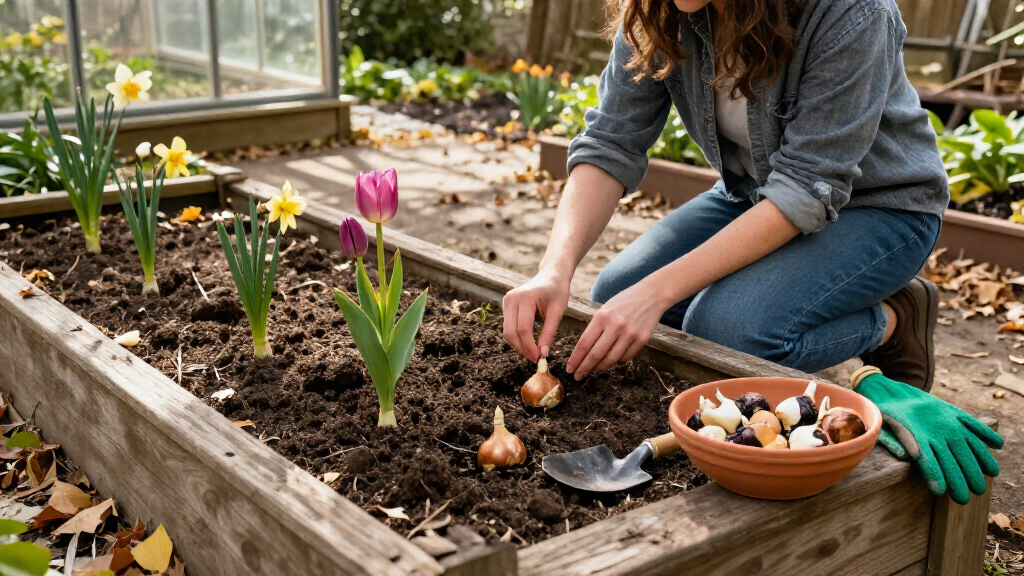
The report also advises gardeners with frequent deer visitors to avoid planting tulips in open garden beds, especially when choosing spring bulbs. Hayes says tulips lack the toxic alkaloids and unpleasant flavors or aromas found in the recommended bulbs. For gardeners set on growing them, she suggests trying window boxes or containers near the house, which may make them less accessible to deer.
Hayes says she factors deer into her spring-bulb choices to avoid wasting money, time and effort. Her recommendations are based on common deer behavior, however, rather than a guarantee that any bulb will remain untouched. The report does not give comparative trial data or quantify how often deer eat each of the listed plants.
Choosing Bulbs Deer Often Avoid
Bulbs planted in fall represent an investment of time, money and garden space, and deer browsing can leave a spring display thinner than planned. Choosing plants deer commonly avoid can reduce the risk of damage and help gardeners plan a colorful garden without relying entirely on barriers or repellents.
The advice is most useful as a plant-selection guide, not a promise of protection. Hayes specifically cautions that deer can become less selective when food is scarce. Gardeners may need to weigh local deer pressure, available food and planting location alongside the bulb’s stated resistance.
Products Worth Considering

Greenworks 40V Cordless Leaf Blower/Vacuum with 5.0 Ah Battery and Charger

Husqvarna Power Axe 350i 18-Inch Cordless Chainsaw Kit

Orbit B-hyve XR 8-Zone Indoor/Outdoor Smart Sprinkler Controller
As an affiliate, we earn on qualifying purchases.
Why These Bulbs Deter Deer
Deer-resistant does not mean deer-proof. In the report, Hayes links resistance to particular plant characteristics: strong or musky odors, bitter taste and toxic compounds. These traits help explain why the nine bulbs are often passed over compared with tulips, which she says lack those deterrents.
Hayes, author of Garden for Life: Strategies for Easier, Greener, More Joyful Gardening as We Age and publisher of The Garden Buzz on Substack, says deer are an issue in her own gardening too. The report presents her experience and recommendations; it does not describe a controlled study comparing damage across bulb varieties.
“I always consider deer when I plant spring-blooming bulbs. I don’t want to waste my money, time, or energy.”
— Rhonda Fleming Hayes, master gardener
Resistance Varies With Conditions
The report does not establish that any of the nine bulbs will reliably deter deer in every garden, or rank them by how resistant they are. Hayes says drought and habitat loss can change deer feeding behavior, but the source does not specify how local conditions affect the likelihood of damage or how often deer eat resistant bulbs.
It is also unclear whether containers near a house will deter deer in a particular yard. Hayes describes that placement as something gardeners can try for tulips, not as a tested or certain safeguard. The report offers no regional planting guidance, trial results or numerical measure of bulb loss.
Plan Fall Planting With Local Conditions
Gardeners can use the list when selecting bulbs for fall planting, matching choices to their preferred spring colors and considering how often deer visit the yard. Those who want tulips can try window boxes or containers close to the house, while treating the placement as a possible deterrent rather than a guarantee.
Once bulbs emerge, gardeners will be able to see how deer respond in their own conditions. The source gives no further testing or follow-up schedule, so local browsing patterns remain the practical measure of whether the choices work in a particular garden.
Key Questions
Which bulbs does the report recommend for deer-prone gardens?
Hayes recommends allium, anemone, calla lily, daffodil, fritillaria, snowdrop, grape hyacinth, Siberian squill and winter aconite. Deer often avoid them because of odor, bitterness or toxic compounds, according to the report.
Are deer-resistant bulbs deer-proof?
No. Hayes says deer may eat plants labeled resistant when conditions such as drought or habitat loss limit other food. The recommendations reduce risk but do not guarantee bulbs will be left alone.
Why does Hayes advise against planting tulips where deer visit?
Hayes says tulips lack the toxic alkaloids, unpleasant flavors and aromas that can deter deer from the other bulbs. She suggests trying tulips in window boxes or containers near the house instead.
When should gardeners plant these bulbs?
The report is aimed at fall planting for spring blooms. It does not specify planting dates, depths or regional schedules for individual bulb types.
Source: countryliving.com