
TL;DR

Get garden gear delivered free with Prime
- Fast, free delivery on millions of items
- Prime Video, Amazon Music and more included
- Member-only deals all year
Experts recommend pruning six specific plants in September to maintain a tidy fall garden. Proper pruning now can promote healthy growth and easier maintenance during the colder months.
Gardeners are advised to prune six specific plants in September to ensure a tidy, healthy garden for fall. Dividing overgrown perennials can also be a helpful technique for a tidy garden. This seasonal maintenance can promote better growth and reduce pests and disease, according to horticultural experts.
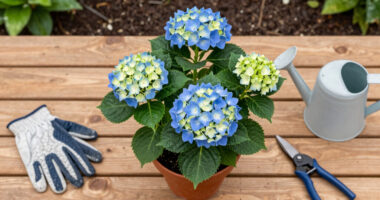
horticulturists emphasize pruning certain plants in September as part of routine fall garden care. The six plants identified include hydrangeas, roses, lavender, clematis, boxwoods, and ornamental grasses. Proper pruning involves removing dead or diseased stems, shaping the plants, and encouraging vigorous growth before winter dormancy. For more tips, see our guide on ground cover plants for fall.
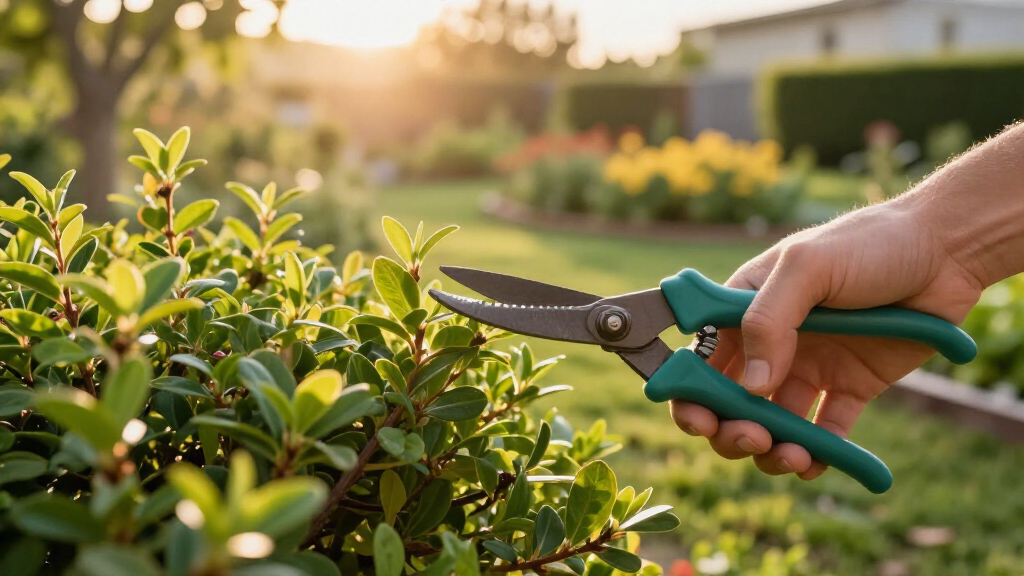
Pruning these plants at this time can help prevent pest infestations and fungal infections that often take hold during the cooler months. Experts recommend using clean, sharp tools and following specific techniques tailored to each plant species to avoid damage and promote healthy regrowth in spring.
Additionally, gardeners are advised to leave certain plants unpruned, such as evergreen shrubs and late-blooming perennials, to protect their winter structure and ensure continuous flowering in the following season. Consider exploring ground cover options for winter protection. The timing and method of pruning are critical for maximizing plant health and aesthetics.
Why Proper September Pruning Matters for Garden Health
Pruning in September is a key step in preparing your garden for fall and winter. It helps reduce the risk of pests and diseases, encourages robust regrowth in spring, and maintains a tidy appearance. Properly pruned plants are better equipped to withstand harsh weather conditions and require less maintenance during the colder months.
Furthermore, timely pruning can improve air circulation around plants, reducing fungal issues and promoting overall plant vigor. For gardeners aiming for a healthy, attractive garden year-round, understanding which plants to prune now is essential.
As an affiliate, we earn on qualifying purchases.
Seasonal Garden Maintenance and Pruning Timing
Pruning is a fundamental aspect of garden maintenance, with timing playing a crucial role. September is widely regarded as an ideal month for pruning many perennials and shrubs, as it allows plants to recover before winter. This practice aligns with traditional horticultural guidelines that recommend trimming plants after their main flowering period but before the onset of cold weather.
While some plants benefit from early fall pruning, others, such as evergreens and late bloomers, should be left untouched to protect their winter resilience. The current focus on September pruning reflects ongoing gardening trends emphasizing proactive fall maintenance to reduce spring workload and improve plant health.
Although specific pruning schedules can vary based on climate and plant variety, experts agree that September is a critical window for many common garden plants.
Unclear Which Plants Are Best Left Unpruned
It is not yet confirmed which specific plants should be left unpruned in September, as recommendations vary based on climate, plant type, and local conditions. While some experts suggest leaving evergreen shrubs and late-blooming perennials untouched, others advise specific timing adjustments. Further guidance from horticultural authorities is expected but has not been officially issued.
Next Steps for Gardeners Preparing for Fall
Gardeners should identify their plants and follow tailored pruning schedules based on plant type and local climate. Monitoring weather forecasts will help determine the best timing for pruning, especially to avoid damage from early frosts. Local gardening centers and horticultural extension services are expected to provide updated guidelines as fall approaches.
Additionally, gardeners are encouraged to clean and sterilize their pruning tools and to dispose of diseased plant material properly to prevent the spread of pests and diseases. Regular garden inspections will help ensure the health and appearance of plants throughout the season.
Key Questions
Which six plants should I prune in September?
The six plants recommended for pruning in September are hydrangeas, roses, lavender, clematis, boxwoods, and ornamental grasses.
Why is September the best time for pruning these plants?
September pruning helps plants recover before winter, reduces pest and disease risks, and encourages healthy growth in spring.
Are there plants I should avoid pruning in September?
Yes, evergreen shrubs and late-blooming perennials are generally best left unpruned in September to protect their winter resilience and flowering potential.
What tools should I use for pruning?
Use clean, sharp pruning shears or loppers suited to each plant’s size and type to prevent damage and promote healthy healing.
How can I tell if a plant needs pruning now?
Look for dead, diseased, or damaged stems, as well as overgrown or misshapen growth that affects the plant’s appearance or health.
Source: rss
Fall yard work Picks
leaf blowers
As an affiliate, we earn on qualifying purchases.