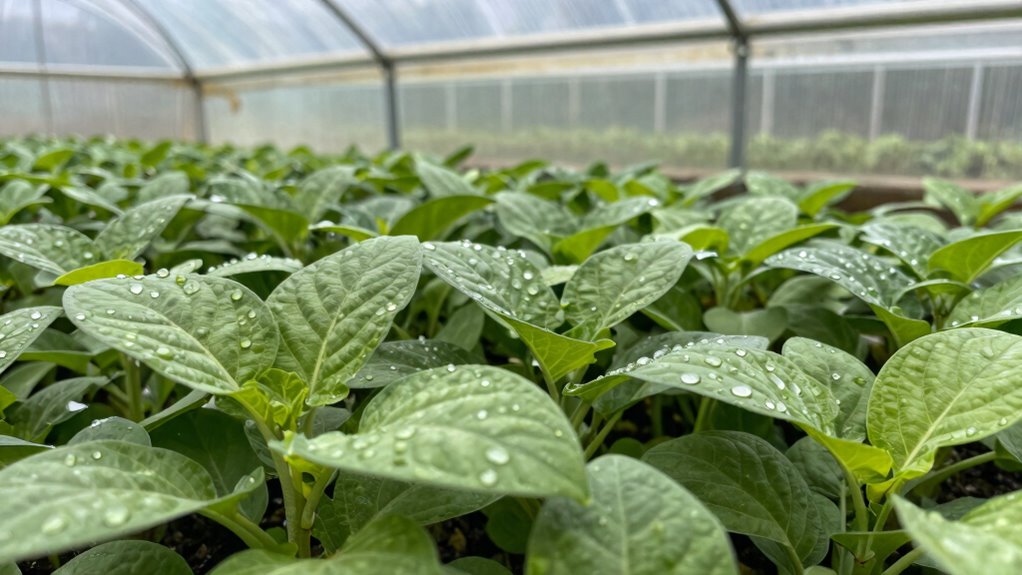

To feed fast-growing plants under cover effectively, focus on providing balanced nutrients through organic soil amendments like compost or worm castings, which release nutrients slowly and support soil health. Keep an eye out for pests and guarantee your plants are healthy and well-fed to prevent infestations. Adjust your feeding schedule based on growth stages, avoiding overfeeding that can weaken plants or attract pests. So, if you want to discover more tips to perfect your approach, continue exploring.

Get garden gear delivered free with Prime
- Fast, free delivery on millions of items
- Prime Video, Amazon Music and more included
- Member-only deals all year
Key Takeaways
- Proper nutrient management supports vigorous growth without overfeeding, which can cause weaknesses or pest attraction.
- Organic soil amendments like compost ensure slow-release nutrients and long-term soil health.
- Regular soil testing helps tailor fertilization, preventing deficiencies or excesses during rapid growth.
- Balancing nitrogen is crucial to promote lush foliage without compromising flowering or fruiting.
- Consistent monitoring and pest prevention maintain healthy, resilient plants under cover.
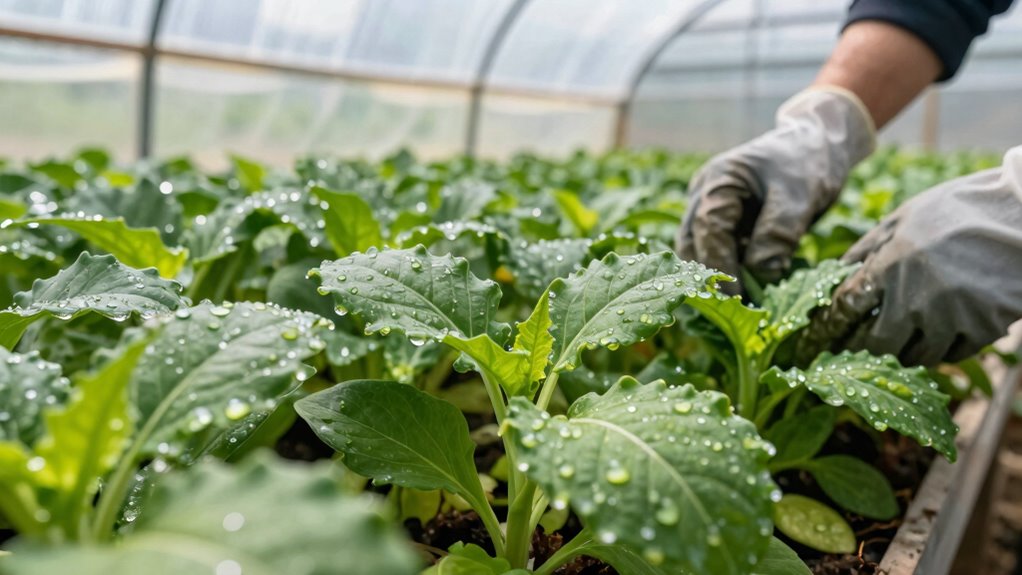
When growing fast-changing plants under cover, providing the right nutrients is essential to keep them healthy and vigorous. While it might seem straightforward—just add fertilizer and watch them grow—there’s more to it. Your plants need balanced nourishment, especially in a controlled environment where soil quality directly impacts growth. Soil amendments play a critical role here. They improve soil structure, enhance nutrient availability, and promote strong root development. Organic amendments like compost or worm castings are excellent choices, as they supply a slow-release source of nutrients and help maintain soil health over time. This is especially important when you’re managing plants under cover, as the environment can sometimes lead to nutrient imbalances or deficiencies. Maintaining healthy soil is also vital for supporting biodiversity within your garden ecosystem. You also need to stay vigilant about garden pests, which can quickly upset the delicate balance of your indoor or greenhouse setup. Pest infestations spread rapidly in warm, humid environments, and fast-growing plants tend to be particularly attractive targets. To prevent issues, incorporate preventative measures such as biological controls or natural repellents, and regularly inspect your plants for signs of pests. A healthy, well-fed plant is less susceptible to pest damage, so proper nutrition becomes a key part of pest management. When pests do appear, act swiftly—removing affected foliage and applying organic pest control methods can keep the problem from escalating. Feeding your plants correctly isn’t just about adding nutrients; it’s about understanding their specific needs at each growth stage. Fast growers often require higher levels of nitrogen to support lush foliage, but too much can lead to weak stems or excessive leaf growth at the expense of fruit or flower production. Using soil amendments helps you create a balanced environment, ensuring your plants get the nutrients they need without overdoing it. Keep in mind that the frequency and type of fertilizer matter—overfeeding can lead to nutrient runoff or pests drawn by lush, overgrown foliage. In a covered environment, managing soil quality and preventing pests go hand in hand. Soil testing can be an effective way to monitor nutrient levels and adjust feeding schedules accordingly, especially as it provides data on nutrient deficiencies. Additionally, paying attention to soil pH helps optimize nutrient uptake and overall plant health. By enriching your soil with the right amendments and maintaining vigilant pest control, you set the stage for vigorous growth. Remember, healthy plants are less likely to succumb to pests and diseases, and they’ll produce better yields or more vibrant blooms. Ultimately, understanding the importance of soil amendments and pest prevention forms the foundation of successful, fast-growing plants under cover.
organic soil amendments for vegetables
As an affiliate, we earn on qualifying purchases.
As an affiliate, we earn on qualifying purchases.
Frequently Asked Questions
Can Fast-Growing Plants Be Overfed Under Cover?
Yes, you can overfeed fast-growing plants under cover. Overfeeding risks nutrient imbalances and can lead to nutrient deficiencies, which may stunt growth or cause other problems. To prevent this, follow recommended feeding schedules and amounts carefully. Keep an eye on your plants for signs of over-fertilization, like leaf burn or rapid, weak growth. Proper feeding ensures healthy, vigorous plants without risking overfeeding issues.
What Are Common Mistakes When Feeding Plants Indoors?
Don’t put all your eggs in one basket, especially when feeding plants indoors. A common mistake is over-fertilizing, which can harm your plant soil and lead to nutrient burn. You might also choose the wrong fertilizer types—some are too strong or not suited for your plants. Always follow label instructions, and remember, less is often more. Regularly monitor your plants’ response to feeding to keep them healthy and thriving.
How Often Should I Fertilize Under Cover?
You should fertilize your plants under cover every 1-2 weeks, adjusting based on their growth and needs. Before fertilizing, conduct soil testing to determine nutrient levels and avoid overfeeding. Maintain a consistent watering schedule to guarantee nutrients absorb properly. Remember, over-fertilizing can harm plants, so monitor their response and adjust frequency accordingly. Proper fertilization keeps your fast-growing plants healthy and thriving indoors.
Are Organic Fertilizers Better for Covered Plants?
Organic fertilizers are often better for covered plants because they improve soil health through natural soil amendments, promoting strong growth. They also support pest management by encouraging beneficial insects and microorganisms that keep pests at bay. Unlike synthetic options, organic fertilizers release nutrients gradually, reducing the risk of overfeeding. This creates a balanced environment, fostering healthy, resilient plants while maintaining a sustainable, eco-friendly garden under cover.
How Do I Prevent Nutrient Imbalance in Enclosed Spaces?
To prevent nutrient imbalance indoors, you should regularly monitor your plants’ root health and adjust fertilization accordingly. Use balanced, slow-release fertilizers to avoid excess nutrients that can harm roots. Also, maintain pest management to prevent pests from stressing plants or disrupting nutrient uptake. Consistent watering, proper ventilation, and soil testing help guarantee your plants receive the right nutrients, keeping them healthy and thriving in enclosed spaces.
Conclusion
By balancing your boosts with careful composting and consistent care, you’ll cultivate confident, contented crops. Remember, nourishing fast-growing plants fosters flourishing foliage and fabulous fruit. Focus on fundamentals, avoid fuss, and keep your focus firm. With patience, persistence, and a bit of playful planning, your undercover garden will yield a yield worth celebrating. So, stay steady, stick to your schedule, and watch your wonderful, well-fed plants flourish freely and fearlessly.
Fall Picks
fall essentials
As an affiliate, we earn on qualifying purchases.