
TL;DR

Get garden gear delivered free — and shop member deals
- Fast, free delivery on millions of items
- Access to Prime Big Deal Days deals on October 6–7
- Prime Video, Amazon Music and more included
Gardening experts recommend five key fall tasks to prepare hellebores for winter blooming. Proper care in September can enhance their appearance and health during colder months.
Gardening experts advise performing five specific tasks in September to care for hellebores, ensuring they produce elegant blooms during winter. This seasonal maintenance is crucial for maintaining healthy plants and maximizing flowering potential, especially as interest in hellebores has surged among gardeners seeking winter color.
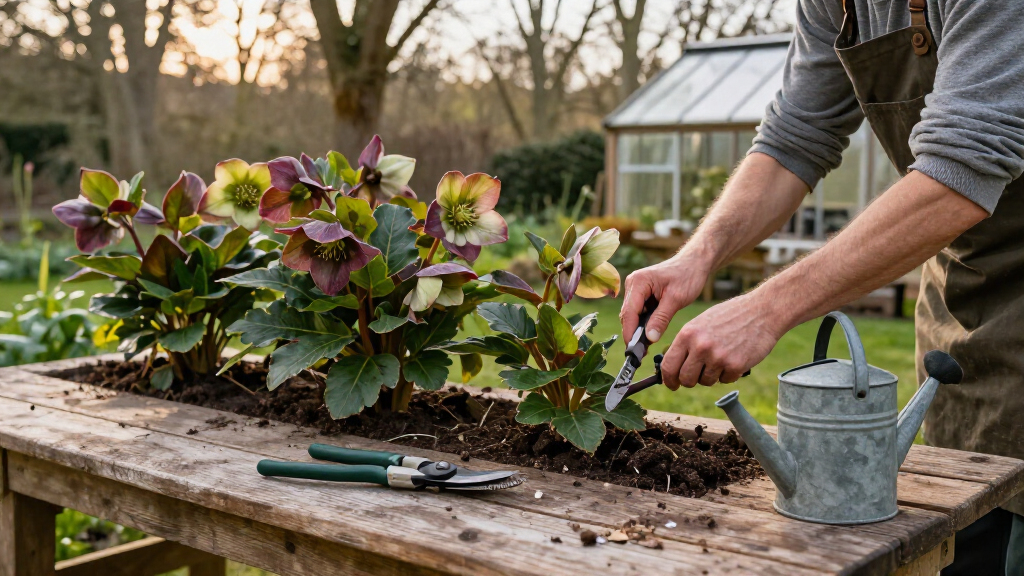
Hellebores, also known as Christmas or Lenten roses, are perennial plants prized for their early winter blooms. To optimize their flowering and health, gardeners are encouraged to undertake five key tasks in September. These include removing old leaves, dividing overcrowded clumps, applying mulch, providing targeted fertilization, and protecting plants from extreme weather.
Removing old, damaged, or diseased foliage helps prevent disease and encourages new growth. Dividing mature plants every few years ensures vigorous flowering and prevents overcrowding, which can lead to poor air circulation. Applying a layer of organic mulch around the base of hellebores conserves moisture, moderates soil temperature, and suppresses weeds. Fertilizing with a balanced, slow-release fertilizer supplies essential nutrients for healthy growth, especially as daylight hours shorten. Finally, protecting plants from harsh winter winds and frost—using burlap or windbreaks—can prevent damage and promote better flowering in the subsequent season.
Experts emphasize that these tasks are simple, affordable, and highly effective. Gardeners who follow this routine in September report healthier plants and more vibrant winter blooms, making hellebores a reliable feature in winter gardens.
Why Fall Care of Hellebores Matters for Winter Blooms
Proper fall maintenance of hellebores directly impacts their ability to produce stunning winter flowers. By performing these five tasks, gardeners can ensure healthier plants that are better equipped to withstand winter stress and bloom profusely. This is especially relevant as interest in hellebores rises, with many seeking reliable, low-maintenance plants for winter color. Well-maintained hellebores also contribute to garden biodiversity and year-round visual interest, making their care in September a worthwhile investment.
As an affiliate, we earn on qualifying purchases.
Hellebores’ Growing Popularity and Seasonal Care
Hellebores have gained popularity among gardeners for their early winter blooms and low maintenance. Traditionally, they bloom from late winter to early spring, but recent interest has surged due to their resilience and ability to brighten winter landscapes. Garden experts have long recommended seasonal care, but current coverage indicates a spike in searches and articles focusing on fall preparations. This trend appears linked to a broader interest in sustainable, year-round gardening and the desire for winter-interest plants. It is not yet clear whether this increased attention is driven by new cultivars, gardening influencers, or climate considerations.
Unconfirmed Factors Influencing Gardener Interest
While gardening experts emphasize these five fall tasks, it is not yet confirmed whether the recent spike in interest is due to new cultivars, climate shifts, or social media influence. Additionally, it remains unclear how widespread adoption of these practices is among amateur gardeners or if regional differences affect care routines. Further data collection is needed to clarify these points.
Next Steps for Gardeners and Industry Trends
Gardening communities and nurseries are likely to continue emphasizing fall hellebore care as part of winter garden planning. Experts recommend gardeners implement these five tasks in September and observe plant responses over the coming months. Monitoring plant health and bloom quality will help refine best practices. Additionally, industry trends may include new hellebore cultivars and educational campaigns focused on winter gardening, further fueling interest.
Key Questions
When is the best time to perform these hellebore fall tasks?
The optimal time is in September, ideally when daytime temperatures are moderate and plants are still actively growing.
Can I divide hellebores in early fall instead of September?
Dividing is best done in early fall or early spring; late fall may be too cold or cause stress to the plants.
What type of fertilizer is recommended for hellebores in fall?
A balanced, slow-release fertilizer with equal parts nitrogen, phosphorus, and potassium is ideal for fall application.
Are there specific protections needed for hellebores during winter?
Yes, applying mulch and using windbreaks can protect hellebores from extreme cold and wind damage.
Will these fall tasks increase the number of blooms next winter?
Consistent fall care can improve plant health and flowering, but environmental factors also influence bloom abundance.
Source: rss
Fall Picks
fall essentials
As an affiliate, we earn on qualifying purchases.