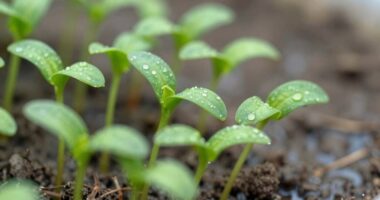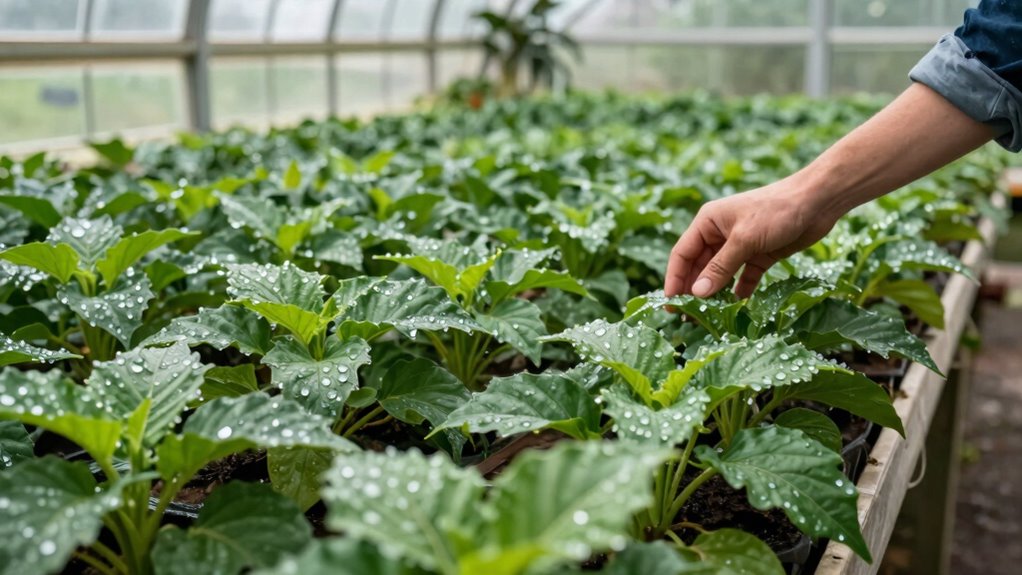

Greenhouse plants respond faster to bad decisions because they are extremely sensitive to environmental changes. When you overwater, underwater, or adjust light and temperature incorrectly, their physiological processes react almost immediately. This quick reaction is due to their finely tuned signaling pathways and internal systems that detect stress. Small mistakes can cause swift issues like wilting or mold. If you want to understand how to avoid these problems, stay with us to uncover more about their delicate nature.

Get garden gear delivered free — and shop member deals
- Fast, free delivery on millions of items
- Access to Prime Big Deal Days deals on October 6–7
- Prime Video, Amazon Music and more included
Key Takeaways
- Greenhouse conditions amplify plant responses, making adverse effects from poor decisions quickly visible.
- Plants’ physiological processes are highly sensitive to environmental changes, causing rapid reactions.
- Controlled environments reduce buffering, so mistakes like overwatering cause immediate stress signs.
- Sudden shifts in humidity or light trigger swift internal signaling pathways in plants.
- Precise environmental management minimizes rapid negative responses caused by bad decisions.
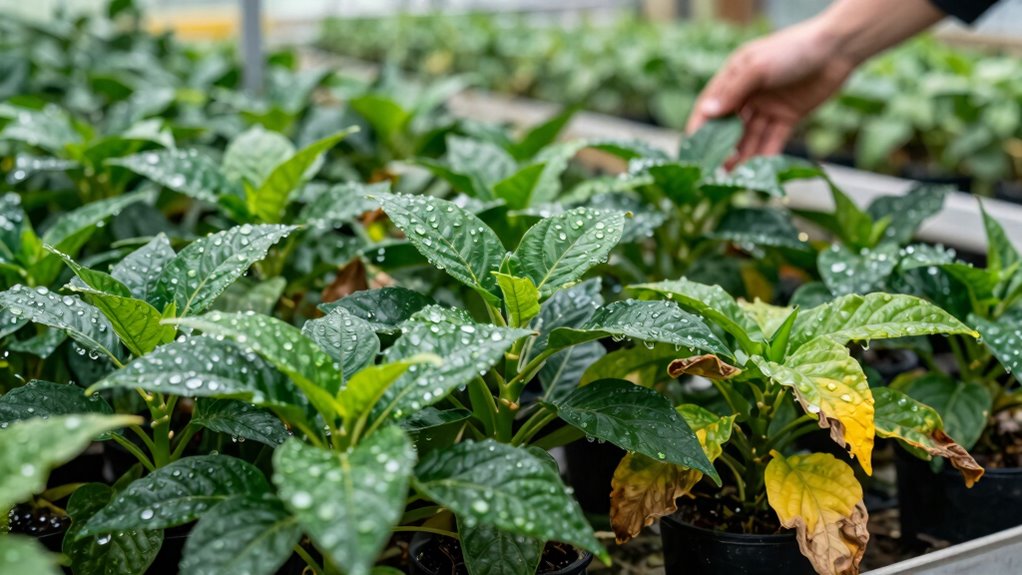
Greenhouse plants can thrive with proper care, but even experienced gardeners occasionally make bad decisions that harm their greenery. One reason these plants respond so quickly to poor choices is rooted in their plant physiology. Unlike outdoor plants, greenhouse plants are in a controlled environment, which means their responses are more immediate and noticeable. When you make a decision—such as watering too much or too little, altering light levels, or adjusting temperature—your plants often react promptly because their physiological processes are finely tuned to their surroundings. This rapid response underscores how sensitive they are to changes, making it clear that even small mistakes can have swift consequences.
Understanding the decision impact on plant physiology helps you grasp why your greenhouse plants might wilt, discolor, or stop growing almost overnight. For example, overwatering can drown roots because the plant’s vascular system quickly becomes overwhelmed, disrupting nutrient uptake and causing stress. Conversely, underwatering deprives roots of water they need for photosynthesis, leading to wilting and leaf drop. Light adjustments, whether too much or too little, interfere with photosynthesis—the process where plants convert light into energy. When you shift the light schedule or intensity abruptly, you may see leaf scorching or elongation as the plant tries to adapt. These responses happen swiftly because plant physiology involves rapid signaling pathways that detect and react to environmental changes. Recognizing how plant physiology is closely linked to external cues can help gardeners better anticipate and manage plant reactions. Additionally, greenhouse environments can amplify the effects of poor environmental control, making plant responses even more immediate.
Plants react quickly to watering and light changes, showing stress signs like wilting, scorching, or elongation almost overnight.
A better understanding of environmental cues allows for more precise adjustments, reducing the likelihood of stress-induced reactions. Your decisions, especially if inconsistent or poorly timed, have a direct and immediate impact on your plants’ health. The decision impact is often amplified in a greenhouse setting because the environment is less forgiving and more predictable than outdoors. When you neglect to monitor humidity or temperature, your plants are quick to show distress, as their internal systems attempt to stabilize. For instance, high humidity can promote fungal growth or cause leaf mold, while low humidity might lead to dehydration. These responses aren’t slow—they’re almost instant, revealing how tightly linked plant physiology is to external conditions. The sensitivity of greenhouse plants to environmental shifts highlights the importance of diligent and consistent environmental management for optimal plant health.
greenhouse plant watering system
As an affiliate, we earn on qualifying purchases.
As an affiliate, we earn on qualifying purchases.
Frequently Asked Questions
How Do Greenhouse Conditions Influence Plant Responsiveness?
Greenhouse conditions directly influence plant responsiveness by controlling soil moisture and light intensity. When soil moisture is ideal, plants absorb nutrients more efficiently, leading to quicker responses. Increased light intensity energizes photosynthesis, boosting growth and reactions to changes. You can manipulate these factors to make plants respond faster to your decisions, ensuring healthier growth and more efficient experimentation. Adjusting soil moisture and light helps maximize plant responsiveness in your greenhouse environment.
Can Plant Stress Levels Predict Their Reaction to Poor Decisions?
Yes, your plant’s stress levels can predict its reaction. When stress spikes, plant hormone signaling speeds up, signaling distress and prompting quick responses. You’ll notice root growth dynamics shift as plants prioritize survival, redirecting resources to essential functions. These rapid reactions help plants adapt swiftly to poor decisions or unfavorable conditions, showing that stress awareness directly influences how plants respond, recover, and realign their growth patterns.
Are Certain Plant Species More Sensitive to Environmental Changes?
Yes, certain plant species are more sensitive to environmental changes due to variations in plant resilience. These plants often respond quickly because growth regulators in their systems are more reactive to stressors. When conditions shift unexpectedly, sensitive species adjust rapidly to maintain homeostasis, while more resilient ones can withstand changes longer. Understanding these differences helps you manage greenhouse environments better and optimize plant health and growth.
What Role Does Plant Genetics Play in Response Speed?
Your plant’s genetics play a vital role in its response speed. Genetic adaptability allows some plants to adjust quickly to environmental changes, while higher mutation rates can lead to faster evolution and response. When faced with bad decisions, these genetic traits enable plants to adapt faster, helping them survive and thrive. So, plants with flexible genetics and elevated mutation rates respond more rapidly to unfavorable conditions, ensuring their resilience.
How Do Plant Communication Networks Affect Their Adaptability?
You see, plant communication networks, like root signaling and chemical messaging, enable rapid responses to environmental changes. When a plant detects stress, it sends signals through roots or releases chemicals to alert nearby plants. This quick information exchange boosts their adaptability, allowing them to prepare for challenges faster. Fundamentally, these networks act as a plant’s nervous system, ensuring they respond efficiently and stay resilient in fluctuating conditions.
Conclusion
Just like a greenhouse’s delicate balance, your choices shape the environment around you. When you make bad decisions, it’s as if you’re watering weeds instead of flowers—stunting growth and inviting chaos. Remember, every action is a seed; nurture wisely, or face the thorns of regret. Your decisions are the sunlight and water—choose carefully to foster a thriving, vibrant life. The greenhouse teaches patience; so do your choices—cultivate with care.
Fall Picks
fall essentials
As an affiliate, we earn on qualifying purchases.