
TL;DR

Get garden gear delivered free with Prime
- Fast, free delivery on millions of items
- Prime Video, Amazon Music and more included
- Member-only deals all year
Recent experiments show that pinching the tips of trailing houseplants like pothos and tradescantia promotes denser growth. This simple technique may be a game-changer for plant enthusiasts seeking fuller plants.
Houseplant enthusiasts can now consider pinching the tips of trailing plants as a proven method to promote bushier, fuller growth. Recent experiments confirm that this simple pruning technique encourages new shoots and dense foliage, making it a valuable tool for plant care.
Trailing houseplants such as pothos and tradescantia tend to become leggy and sparse over time, with leaves concentrated at the ends of vines. Experts from Guardian Life have confirmed that pinching out the growing tips — just after a node — redirects the plant’s energy to produce new shoots from below, resulting in a denser, more lush appearance.
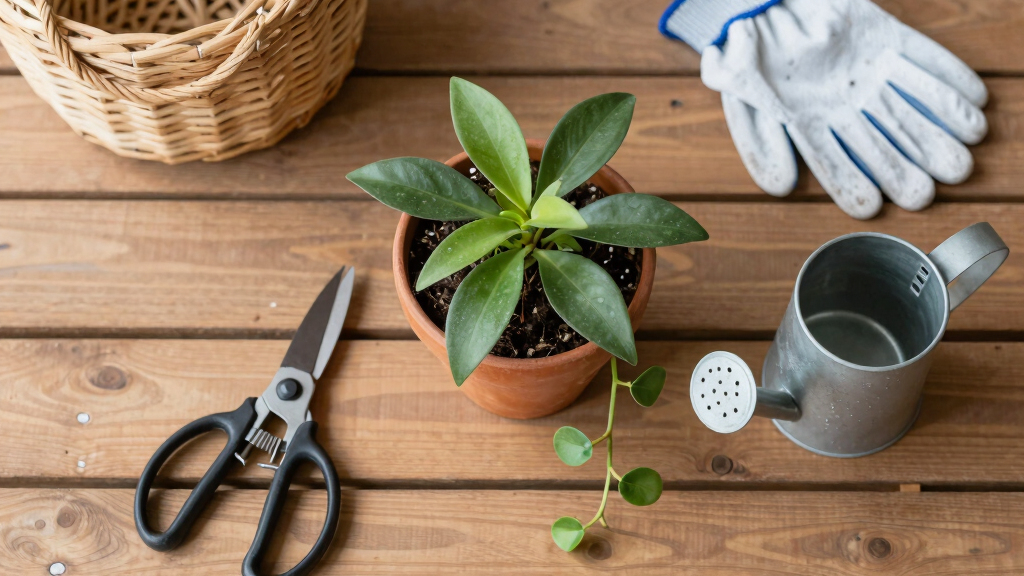
The process involves locating a node on a stem, then either pinching with clean fingers or snipping with sharp scissors just after that node. The removed piece can be rooted in water and replanted, further encouraging fuller growth in the same pot. An experiment with a tired-looking tradescantia showed that within three weeks, new shoots emerged at the cut sites, and the plant appeared visibly denser. The cuttings rooted and reintroduced into the plant enhanced the overall fullness.
According to the experts, this technique is not harmful; in fact, it aligns with how plants recover naturally in the wild. Regularly pinching stems can transform a sparse trailing plant into a lush, bushy one, making it an accessible and effective method for indoor gardeners.
Why Pinching Trailing Plants Can Transform Your Indoor Garden
This technique offers a simple, cost-effective way to improve the appearance of trailing houseplants without needing additional fertilizers or complex care. It empowers plant owners to actively shape their greenery, leading to healthier, more resilient plants. The confirmed results challenge the common instinct to leave leggy plants alone, providing a proactive approach to indoor plant maintenance.
For many, fuller plants mean a more attractive and satisfying display, especially in small or limited spaces. Additionally, encouraging dense foliage can improve air quality and plant health, making this a valuable practice for both aesthetics and wellbeing.
As an affiliate, we earn on qualifying purchases.
Understanding Trailing Plant Growth and Common Challenges
Trailing plants like pothos and tradescantia are popular for indoor decoration due to their ease of care and aesthetic appeal. However, over time, they often become leggy, with sparse foliage at the base and long vines that trail downward. Traditionally, many owners leave these plants to grow naturally, hoping they will fill out, but this rarely results in a bushier appearance.
Previous methods to address this included pruning or repotting, but these can be more invasive or less targeted. The idea of pinching or snipping stems after a node has gained attention as a less disruptive, more natural way to stimulate growth. While anecdotal evidence existed, recent experiments confirm its effectiveness, marking a shift in houseplant care practices.
This approach aligns with how plants recover from damage in their natural environment, where pruning stimulates new growth, but it is only now gaining widespread recognition among indoor gardeners.
“Pinching out the stems redirects the plant’s energy, prompting it to produce new shoots and become denser.”
— an anonymous researcher
Unanswered Questions About Long-Term Effects of Pinching
While initial results are promising, it is still unclear how frequently pinching should be performed for optimal health and appearance over the long term. Experts have not yet established specific guidelines on the ideal number of cuts or timing for different plant species, and whether repeated pinching might stress the plants or cause unintended damage remains to be studied.
Further research is needed to determine the best practices for maintaining plant health while using this technique regularly.
Next Steps for Houseplant Enthusiasts and Researchers
Plant owners are encouraged to experiment with pinching their trailing plants, observing how their specific plants respond over several weeks. Botanists and horticulturists are expected to conduct more controlled studies to refine guidelines and confirm long-term safety and benefits. Retailers and plant care guides may soon incorporate this technique into standard advice, making it more accessible for home gardeners.
In the coming months, more detailed recommendations on frequency and plant-specific responses are likely to emerge, helping enthusiasts optimize their plant care routines.
Key Questions
Does pinching harm my trailing plant?
No, if done correctly, pinching is a natural and safe way to encourage fuller growth. It mimics natural recovery processes in the wild.
How often should I pinch my plants?
There are no definitive guidelines yet, but experimenting every few weeks and observing your plant’s response is recommended. Avoid over-pruning to prevent stress.
Can I root the cuttings I remove?
Yes, the cuttings taken during pinching can be rooted in water and replanted to further promote bushiness and fullness.
Will pinching make my plant grow faster?
Pinching encourages new shoots from the nodes below the cut, which can lead to a denser, bushier appearance over time. However, growth rate varies by species.
Is this technique suitable for all trailing plants?
While most trailing plants respond well, it’s best to research specific species to ensure they tolerate pinching without stress or damage.
Source: Guardian Life
Fall yard work Picks
leaf blowers
As an affiliate, we earn on qualifying purchases.