
TL;DR

Get garden gear delivered free — and shop member deals
- Fast, free delivery on millions of items
- Access to Prime Big Deal Days deals on October 6–7
- Prime Video, Amazon Music and more included
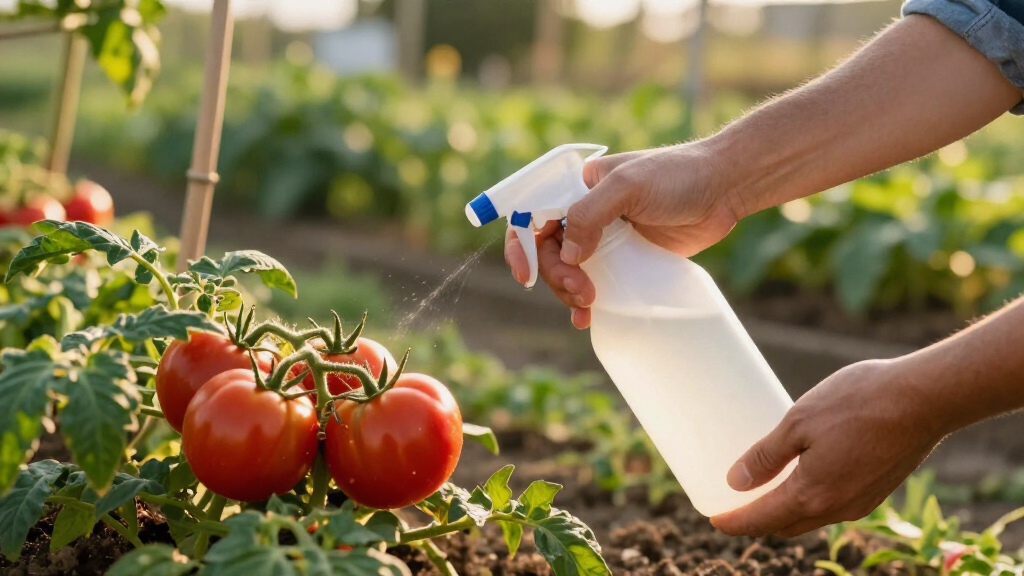
Experts recommend fertilizing tomatoes every 2-3 weeks during the growing season for optimal growth. Proper fertilization frequency can significantly improve yields and fruit quality. This guide details confirmed practices and what gardeners still need to clarify.
Why Proper Fertilization Frequency Impacts Tomato Yields
Consistent fertilization every 2-3 weeks helps ensure tomato plants receive essential nutrients at critical growth stages, leading to larger fruit, better flavor, and increased overall yield. Proper nutrient management reduces the risk of deficiencies and plant stress, which can diminish harvest quality. For home gardeners and commercial growers alike, understanding and applying this schedule can translate into more productive and profitable tomato crops. Additionally, correct fertilization practices can minimize environmental runoff and nutrient wastage, promoting sustainable gardening. Overall, adhering to recommended fertilization intervals is a practical step toward healthier, more abundant tomato harvests.As an affiliate, we earn on qualifying purchases.
Current Recommendations and Variations in Tomato Fertilization
The advice to fertilize every 2-3 weeks is supported by agricultural extension services, such as those from the University of California and other horticultural authorities. These recommendations are based on research into nutrient uptake rates and plant growth cycles. Historically, growers have varied fertilization schedules depending on soil fertility and tomato variety, but recent consensus emphasizes regular, moderate feeding during the active growing period. Some experts suggest that soil testing can help tailor fertilization to specific conditions, but the 2-3 week interval remains a practical guideline for most home gardeners. Advances in organic fertilizers and slow-release formulations offer additional options, though the core principle of frequent, consistent feeding persists.“Fertilizing tomatoes every two to three weeks during the growing season provides a steady supply of nutrients, which is crucial for maximizing fruit size and overall plant health.”
— Dr. Emily Carter, Horticultural Expert
Unanswered Questions About Fertilizer Types and Soil Conditions
While the 2-3 week fertilization schedule is widely recommended, specific guidance on the optimal fertilizer type, application method, and adjustments for different soil types or tomato varieties remains less clear. Ongoing research aims to refine these details, and individual results may vary based on local conditions.Future Research and Practical Adjustments for Tomato Fertilization
Researchers are exploring tailored fertilization strategies based on soil testing and plant monitoring technologies. Gardeners are encouraged to observe their plants and adjust fertilization frequency and type accordingly. Extension services may update guidelines as new studies emerge, but current best practices suggest sticking to a bi-weekly schedule during the active growing season for best results.Key Questions
How often should I fertilize my tomato plants?
Most experts recommend fertilizing tomato plants every 2 to 3 weeks during the growing season for optimal growth and yield.
What type of fertilizer is best for tomatoes?
A balanced fertilizer with appropriate levels of nitrogen, phosphorus, and potassium is generally recommended. Organic options like compost tea or slow-release formulations can also be effective.
Can over-fertilizing harm my tomato plants?
Yes, excessive fertilization can lead to lush foliage with fewer fruits, increased susceptibility to pests, and issues like fruit cracking. Following recommended schedules helps prevent these problems.
Should I adjust fertilization based on soil tests?
Yes, soil testing can help determine specific nutrient deficiencies or excesses, allowing for more tailored fertilization practices. However, the general 2-3 week schedule remains effective for most home gardens.
Is organic fertilization as effective as synthetic fertilizers?
Organic fertilizers can be effective if applied correctly and consistently. They often release nutrients more slowly, which can be beneficial for sustained plant growth.
Source: rss
Halloween Picks
halloween
As an affiliate, we earn on qualifying purchases.