
TL;DR

Get garden gear delivered free with Prime
- Fast, free delivery on millions of items
- Prime Video, Amazon Music and more included
- Member-only deals all year
Walking iris, also called Trimezia and sometimes Neomarica, is a tropical perennial suited mainly to USDA Zones 10 and 11. It grows best in filtered light and consistently moist, well-drained, slightly acidic soil; its flower-stalk plantlets can root where they touch the ground, allowing the clump to spread.
A growing guide from Gardener’s Path says walking iris, plants in the genus Trimezia and often listed under the former name Neomarica, is best suited to warm, humid gardens in USDA Zones 10 and 11. The advice matters to gardeners because the tropical perennial needs a different balance of moisture, drainage and light from many familiar irises, and its flower stalks can produce plantlets that root and spread.
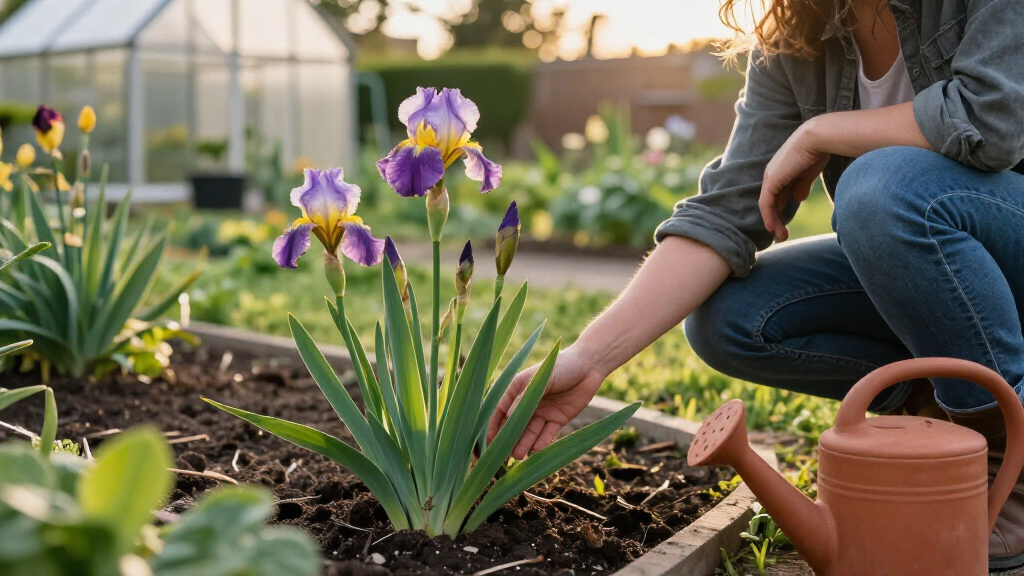
Walking iris grows from rhizomes and forms clumps of fan-shaped, sword-like leaves. Its spring flowers may be blue, purple, white or yellow, depending on the species. The guide describes the blooms as mildly fragrant, with outer petals that extend horizontally and inner petals that curl under. Each flower lasts about one day, while successive blooms can appear along a stalk. Under favorable conditions, flowering may continue sporadically into fall.
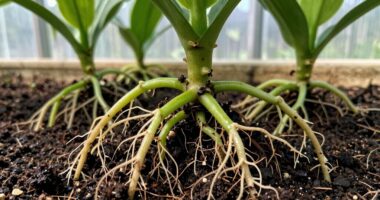
After flowering, a stalk can develop a plantlet at its tip. As the plantlet grows heavier, the stalk bends down; if the tip reaches soil, it may root. This propagation habit gives the plant its common name and means established specimens need room to expand. The guide suggests using it in beds, borders, shade gardens and containers, while allowing space for both rhizome growth and rooted plantlets.
For outdoor planting, the guide recommends dappled shade or filtered sunlight, with morning sun and afternoon shade in hot regions. Soil should be slightly acidic, around pH 5.8 to 6.2, and moist but well-draining. Water when the top two inches of soil are dry, rather than leaving rhizomes in standing water, which can lead to rot. In spring, apply a low-nitrogen fertilizer at half strength, then monthly through summer; high-nitrogen fertilizer can favor leaf growth over flowers.
Conditions That Shape Flowering and Spread
The growing guidance is especially relevant for gardeners deciding whether this perennial fits their climate. The source identifies Zones 10 and 11 as the best match, while also noting that container growing can give gardeners in colder regions a way to bring plants indoors for winter. That option does not remove the need to provide suitable warmth and light indoors.
Its spreading habit also affects placement. A walking iris may eventually occupy more space through rhizome expansion and rooted plantlets, so planting it tightly among small or slow-growing neighbors could create crowding. The guide’s advice to leave room is practical: it helps gardeners plan a border or container around the plant’s eventual growth rather than only its size at planting.
Care depends on balancing moisture with drainage. The plant’s rainforest origins mean it benefits from steady moisture, but the source cautions that standing water can cause rhizome rot. That distinction is useful for gardeners who might assume that a tropical plant should be kept saturated.
Walking iris plant pot with drainage
As an affiliate, we earn on qualifying purchases.
As an affiliate, we earn on qualifying purchases.
A Tropical Iris With Two Names
Walking iris is native to Central and South America, including Brazil’s Amazon region, where warm temperatures, humidity and plentiful rainfall shape its growing needs. The guide gives a typical mature size of about 2 to 5 feet tall and 2 to 3 feet wide, though size and flowering can vary with conditions and species.
The plant has several common names, including apostle plant, fan iris and poor man’s orchid. Its apostle-plant nickname comes from folklore that it produces 12 leaves before blooming. Botanists have also differed over its classification: species once placed in Neomarica were absorbed into the broader genus Trimezia, but both names remain in use. The guide cautions that not every plant sold under those classifications displays the characteristic walking habit.
What Varies by Species and Site
Results can differ by species, climate and growing conditions. The source says spring is the main bloom period, with flowering potentially continuing into fall under ideal conditions; it does not guarantee that schedule for every garden. It also notes that some species listed as walking iris may not produce the characteristic rooting plantlets.
The guide describes Zones 10 and 11 as the preferred range, but gives limited detail on how reliably individual species tolerate colder conditions. One blue species from southern Brazil is described as hardier than most, although the source does not provide a broader cold-hardiness rating for it. Gardeners in freezing climates should treat indoor overwintering as an option, not a guarantee of flowering or survival.
Indoor care also depends on maintaining tropical conditions. The guide recommends temperatures of at least 70°F and humidity above 50 percent, but outcomes may vary with available light, indoor humidity and the specific plant. The source material does not establish a single care schedule that applies to every cultivar or home.
Plan for the Growing Season
Gardeners can begin by checking their local hardiness zone and choosing a site with filtered light and reliable drainage. Before planting, prepare slightly acidic soil and leave room for the clump and potential plantlets to spread. During the growing season, check soil moisture rather than watering on a fixed schedule, taking rainfall into account.
In spring, use the recommended low-nitrogen fertilizer at half strength and continue monthly applications through summer. Container growers in cold regions can move plants indoors before freezing weather, then provide bright, indirect light and warm, humid conditions. The guide does not give a specific calendar date for moving plants or a universal winter schedule, so gardeners will need to adjust to local temperatures and the plant’s condition.
Key Questions
Can walking iris grow in cold climates?
The guide lists USDA Zones 10 and 11 as its preferred outdoor range. In colder areas, it can be grown in a container and brought indoors for winter, though success depends on maintaining suitable warmth and light.
How much sun does walking iris need?
Choose dappled shade or filtered sunlight. In hot regions, morning sun with afternoon shade is recommended; indoors, bright, indirect light helps keep foliage lush.
How often should I water it?
Water when the top two inches of soil are dry, adjusting for rainfall and season. Keep the soil moist, but avoid standing water because it can contribute to rhizome rot.
Why is it called walking iris?
After flowering, a stalk may produce a plantlet at its tip. The stalk can bend until the plantlet touches soil and roots, allowing the plant to spread away from its original clump.
Are Trimezia and Neomarica the same plant?
The names are used interchangeably for walking iris in the source guide because the plants were previously classified in Neomarica and later included in Trimezia. The guide notes that botanical agreement on the reclassification is not universal.
Source: rss
Fall Picks
fall essentials
As an affiliate, we earn on qualifying purchases.