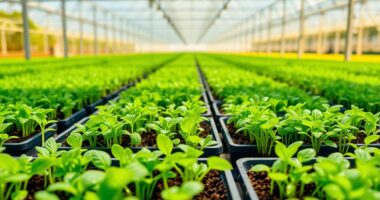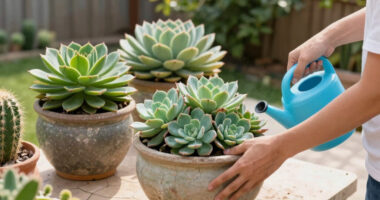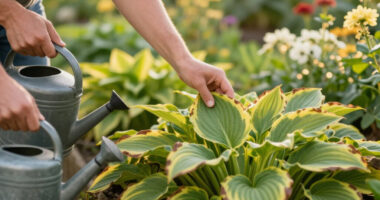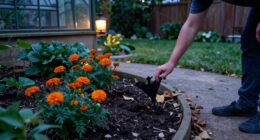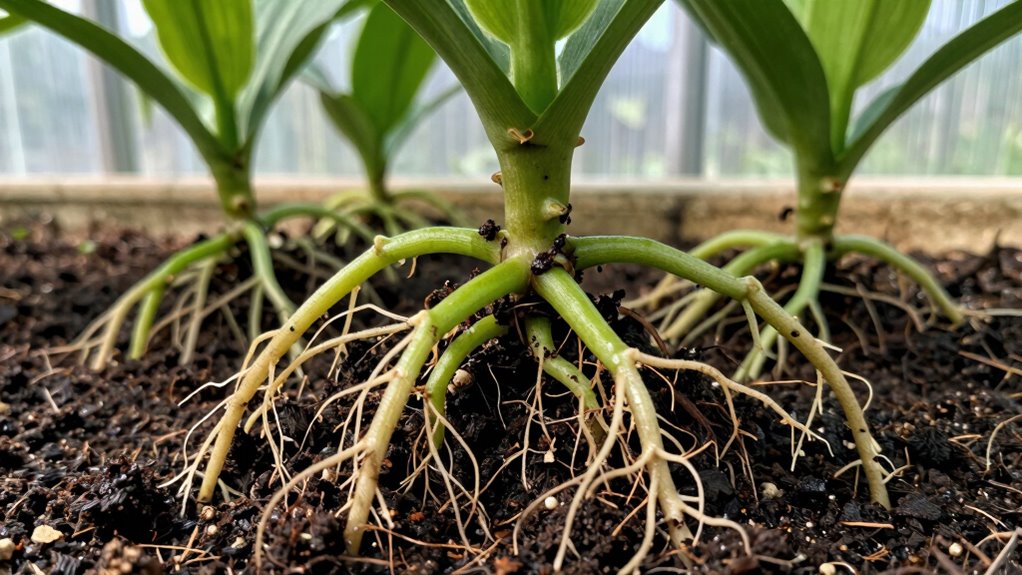

Stronger greenhouse plants share a root-zone habit of maintaining consistent soil moisture, which supports nutrient uptake and root growth. They thrive in soil with active microbial life that helps break down organic matter, making nutrients more accessible. Good aeration prevents compaction and promotes healthy oxygen levels for roots. By managing these elements effectively, you create a stable environment that boosts plant resilience. Keep exploring to discover how to optimize these practices for even better results.

Get garden gear delivered free with Prime
- Fast, free delivery on millions of items
- Prime Video, Amazon Music and more included
- Member-only deals all year
Key Takeaways
- Consistent soil moisture levels support stable root function and prevent stress-related issues.
- Healthy microbial activity enhances nutrient availability and promotes robust root growth.
- Regular soil aeration ensures adequate oxygen access for roots and prevents compaction.
- Incorporating organic matter improves soil structure, moisture retention, and microbial diversity.
- Proper watering practices prevent overwatering and underwatering, maintaining optimal root zone conditions.
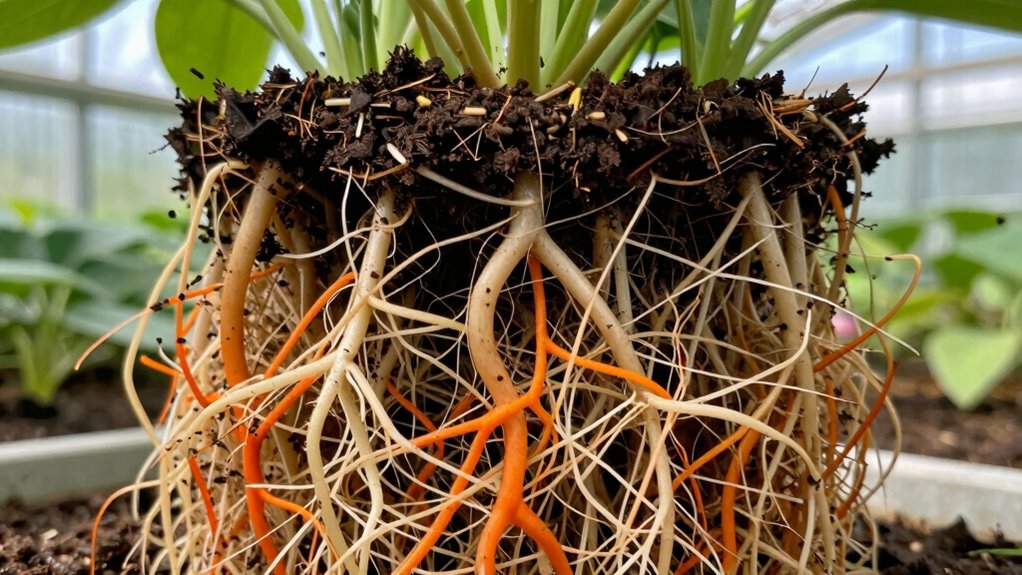
A strong root-zone habit is fundamental for greenhouse plants to thrive and resist stress. Your plants depend on a well-maintained root environment to access the resources they need to grow robustly. When the root zone is healthy, it guarantees consistent soil moisture levels, which directly influence how efficiently your plants can absorb water and nutrients. If the soil dries out too quickly or stays waterlogged, your plants struggle to maintain ideal growth, making them more vulnerable to diseases and stress. Maintaining proper soil moisture balances is essential because it creates a stable environment where roots can extend and explore without the risk of rot or dehydration. This stability allows roots to function effectively, ensuring nutrient absorption happens seamlessly.
Healthy root zones aren’t just about moisture; they’re also about the overall health of the soil. When you focus on cultivating a thriving root environment, you’re encouraging a rich microbial life that supports nutrient cycling. Beneficial microbes break down organic matter, releasing indispensable nutrients that roots can easily absorb. A well-managed root zone keeps these microbes active and thriving, which directly improves nutrient absorption. This means your plants get the right nutrients at the right time, promoting stronger stems, larger leaves, and better flowering or fruiting. When nutrient absorption is efficient, your plants are less likely to show deficiencies, and you spend less time correcting problems later. Paying attention to soil microbial activity can significantly enhance root health and plant vigor. Additionally, a balanced soil ecosystem fosters resilience against environmental stresses, helping your plants stay healthier longer. To further support this, employing soil amendments can boost microbial diversity and activity, leading to a more robust root zone.
You can influence your plants’ root-zone habits by paying close attention to soil preparation and watering practices. Incorporate organic matter like compost or well-rotted manure to improve soil structure and fertility, which supports healthy root growth. Use watering schedules that match the needs of your plants, avoiding overwatering or underwatering. Mulching helps regulate soil moisture and temperature, creating a stable environment that roots love. Regularly aerate the soil to prevent compaction, ensuring roots have room to grow and access oxygen, which is just as important as moisture and nutrients. Additionally, understanding the importance of soil health and its impact on root development can guide you toward more effective cultivation practices. Recognizing the role of proper aeration can further enhance root growth and prevent issues caused by poor soil oxygen levels.
Products Worth Considering

EGO POWER+ 21 Cordless Electric Lawn Mower Kit, Self-Propelled

Greenworks 48V Brushless 3-in-1 Leaf Blower, Vacuum, and Mulcher with Two 4.0Ah Batteries

Jocoevol 6 x 8 ft Walk-In Greenhouse with Polycarbonate Panels
As an affiliate, we earn on qualifying purchases.
Frequently Asked Questions
How Do Root-Zone Habits Vary Among Different Plant Species?
You’ll notice root-zone habits vary among plant species through differences in root diversity and nutrient absorption strategies. Some plants develop deep, extensive roots to access water and minerals from lower soil layers, while others have dense, fibrous roots for quick nutrient uptake near the surface. These variations help each species adapt to specific environments, optimizing their growth and resilience by effectively absorbing nutrients where they’re most available.
Can Root-Zone Practices Be Applied to Outdoor Gardening Successfully?
Absolutely, you can adapt root-zone practices to outdoor gardening. Focus on consistent compost application to enrich the soil and promote healthy roots. Adjust watering frequency to prevent overwatering or drought stress, ensuring roots stay moist but not waterlogged. By blending these practices, you foster stronger, more resilient plants. Properly managing the root zone outdoors helps plants thrive, just like in a greenhouse, leading to lush, vigorous growth.
What Are Common Mistakes in Managing Root Zones for Greenhouse Plants?
You often make mistakes in root zone management by overwatering or uneven watering, which harms root health. Avoid watering techniques that keep the soil consistently soggy; instead, water deeply but infrequently to promote strong roots. Also, neglecting proper drainage can lead to root rot. Pay attention to soil moisture levels, and guarantee your watering techniques support healthy root development for thriving greenhouse plants.
How Does Soil Type Influence Root-Zone Development?
Think of soil type as the foundation of a house—you need the right mix for stability. Soil composition directly influences root-zone development by affecting moisture retention and aeration. Loamy soil, with balanced texture, promotes healthy root growth by retaining enough moisture without waterlogging. On the other hand, sandy soil drains quickly, encouraging roots to search deeper, while clay retains too much water, risking root rot. Choosing the right soil supports stronger, more resilient plants.
Are There Signs Indicating Unhealthy Root-Zone Habits in Greenhouse Plants?
Yes, there are signs indicating unhealthy root-zone habits. You might notice poor root health, such as blackened, rotting roots or a foul smell, signaling overwatering or poor drainage. Wilting or yellowing leaves can also point to water management issues, affecting the root zone’s ability to absorb nutrients. Regularly inspecting roots and adjusting watering practices help maintain healthy root zones and promote stronger greenhouse plants.
Conclusion
By understanding the root-zone habits of strong greenhouse plants, you can boost your own plant’s resilience and growth. Imagine a gardener who notices their tomato plants thriving because they’ve optimized watering and soil conditions, encouraging deep, healthy roots. When you replicate this approach—focusing on the root zone—you’ll see healthier, more vigorous plants that can better withstand pests and stress. Cultivating strong roots truly makes all the difference in greenhouse success.