
TL;DR

Get garden gear delivered free with Prime
- Fast, free delivery on millions of items
- Prime Video, Amazon Music and more included
- Member-only deals all year
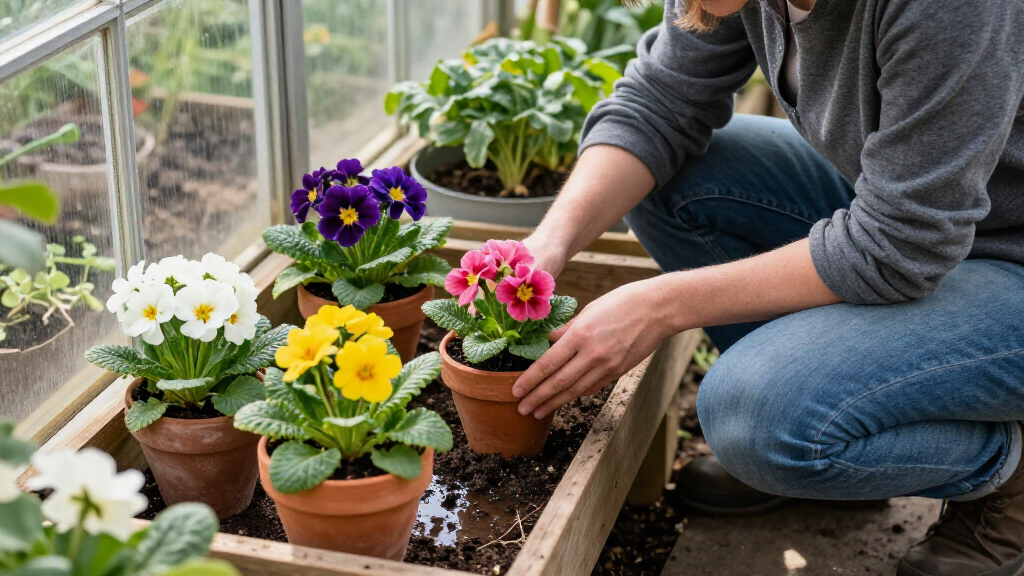
A Gardener’s Path guide outlines how to grow primroses and polyanthus, recommending autumn planting in fertile, well-drained soil and consistent moisture. These cool-weather flowers suit partial shade and can struggle in hot, humid summers.
Gardener’s Path has published a growing guide for primroses and polyanthus, offering planting and care advice for gardeners seeking flowers in the cooler part of the year. The guide recommends autumn planting, fertile and well-drained soil, steady moisture and protection from hot afternoon sun; it says the plants can struggle in hot, humid summers, unlike some flowers suited to garden growing.
According to the Gardener’s Path guide, primroses (Primula species) generally carry flowers on short stems above low rosettes of foliage, while polyanthus, identified as the hybrid group Primula × polyantha, produce flower clusters in umbels on sturdier stalks. The guide describes them as perennials in suitable conditions, but says they may be grown as fall-planted annuals where summer heat makes them difficult to maintain.
For planting, the guide recommends setting plants out in autumn, at least six weeks before the first frost. It advises loosening soil to about 12 inches deep and wide and mixing in organic matter such as compost or leaf mold. Where drainage needs improvement, it suggests adding grit. Set each plant with its crown just above soil level, firm the soil gently, and space plants six to 12 inches apart. The guide says a one- to two-inch mulch layer can help conserve moisture, but should not touch the crown.
The guide says primroses do best in fertile, humus-rich, well-drained soil and need consistent moisture without waterlogging. It gives about one inch of water per week as a general garden estimate; container plants may need watering more often, when the top inch of soil dries. Its light advice is full sun in spring where conditions are cool, with partial shade from hot afternoon sun as temperatures rise. It also suggests applying a slow-release, flower-boosting fertilizer in early spring and again in early summer.
Planning for Cool-Season Blooms
The Gardener’s Path guide says primroses and polyanthus offer flowers early in the growing season, when many garden plants have yet to bloom. In mild-winter areas, it says flowering may start as early as December and continue into spring, bringing color to beds and containers during a quieter period in the garden.
The guide also says the flowers may provide nectar for early-season pollinators when fewer blooms are available. It describes the plants as resistant to grazing by deer and rabbits, but does not provide trial data or specify how resistance varies among varieties and locations. Its practical advice emphasizes cool conditions, steady moisture and appropriate shade.
As an affiliate, we earn on qualifying purchases.
Where Primroses Grow Best
The Gardener’s Path guide places many primrose and polyanthus types in USDA Hardiness Zones 3 to 8, while noting that hardiness depends on species. It describes primroses as native to temperate regions of the Northern Hemisphere and generally flowering from late winter to late spring. The guide says plants can reach up to 12 inches tall and spread up to 18 inches, and notes that cultivated hybrids come in a broad range of colors.
In its light and climate advice, the guide says primroses can take full sun in spring but need relief from intense afternoon sun as the season warms. It cites the ground beneath the outer branches of deciduous trees as one possible location. In places with hot summers or high humidity, it says plants may wither and suggests treating them as annuals rather than expecting them to persist year after year.
Local Conditions Shape Results
The source is a Gardener’s Path horticultural guide, not a report of new research or a controlled growing trial. Its recommendations are general: performance can vary by species, hybrid, local climate and soil. The guide does not identify specific cultivars for particular regions or provide measured comparisons of flowering, cold tolerance or summer survival.
The guide gives slightly different soil pH descriptions: its overview lists a range of 6.0 to 8.0, while its soil-care section recommends 6.5 to 7.0. Those figures should therefore be treated as guidance rather than a single, definitive requirement. The supplied source material does not include the publication date.
Check Conditions Before Planting
Before buying plants, gardeners can check the variety’s hardiness information and compare it with local winter and summer conditions, as the Gardener’s Path guide advises. Its schedule points to autumn planting at least six weeks before the first frost, giving plants time to settle before colder weather. The guide also advises planning for regular watering, especially in containers, and choosing a site with shade from strong afternoon sun as temperatures rise.
After planting, the guide recommends monitoring moisture and drainage rather than relying on a fixed watering schedule: keep soil lightly moist, but not waterlogged. In hot-summer or humid regions, observe whether plants decline as temperatures climb and consider seasonal replacement if they do not persist. The source provides no further announcement or follow-up milestone; these are its practical cultivation recommendations.
Key Questions
When should primroses and polyanthus be planted?
The Gardener’s Path guide recommends planting in autumn, at least six weeks before the first frost, so the plants have time to settle before winter.
How much water do primroses need?
The Gardener’s Path guide advises keeping the soil lightly moist but not waterlogged. It offers about one inch of water per week as a general garden estimate. Check container plants more often and water when the top inch of soil is dry.
Do primroses need full sun or shade?
According to the Gardener’s Path guide, they can grow in full to partial sun. Full sun may suit them in spring, but partial shade from hot afternoon sun is recommended as the weather warms.
Can primroses survive hot summers?
The Gardener’s Path guide says primroses can struggle in hot, humid summers. In those conditions, it suggests growing them as fall-planted annuals rather than relying on them to persist.
Source: rss
Fall Picks
fall essentials
As an affiliate, we earn on qualifying purchases.