
TL;DR

Get garden gear delivered free with Prime
- Fast, free delivery on millions of items
- Prime Video, Amazon Music and more included
- Member-only deals all year
Gardeners are noticing many hydrangeas are not blooming as expected. Experts suggest six simple fixes in September to promote better flowering next year. This trend reflects increased interest in easy, effective plant care.
Many hydrangea owners are experiencing a season of sparse blooms, prompting increased interest in simple, effective solutions to revive their plants. Experts confirm that applying six specific care steps in September can significantly improve hydrangea flowering next year, making this a timely and valuable gardening tip for homeowners and landscapers alike.
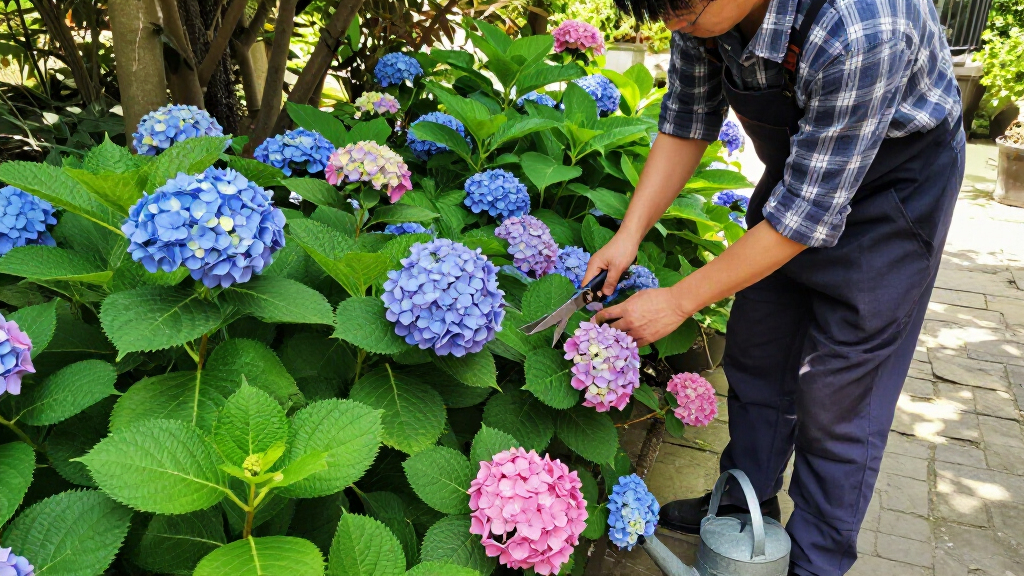
Hydrangeas, especially varieties like mophead and lacecap, often fail to bloom or produce sparse flowers due to factors such as improper pruning, nutrient deficiencies, or environmental stress. According to horticulturists, September is a critical month for making targeted adjustments to support healthy flowering.
Six key fixes are recommended: first, avoid heavy pruning now to preserve next year’s buds; second, apply a balanced fertilizer high in phosphorus; third, ensure consistent watering to prevent drought stress; fourth, remove any dead or diseased wood; fifth, mulch around the base to regulate soil temperature and moisture; and sixth, consider a late-season application of a bloom booster fertilizer. These steps are supported by gardening experts and are designed to be easy for homeowners to implement.
While these recommendations are widely endorsed, it is important to note that results can vary based on local climate, soil conditions, and the specific hydrangea variety. Gardeners are advised to observe their plants closely and adjust care routines accordingly.
Why Hydrangea Care in September Matters for Next Year’s Blooms
Implementing these six fixes in September can make a substantial difference in hydrangea flowering performance next year. Healthy, well-cared-for plants are more likely to produce abundant, vibrant blooms, enhancing garden aesthetics and overall plant health. This guidance offers an accessible, low-cost way for gardeners to improve their landscape without needing extensive expertise or equipment. Given the current surge in gardening interest, especially among homeowners seeking manageable ways to enhance their outdoor spaces, these tips are particularly relevant.
Moreover, understanding the importance of timing and proper pruning can help prevent common mistakes that lead to lazy or no blooms. As many gardeners face unpredictable weather patterns, these straightforward interventions can serve as a reliable strategy for plant revival.
hydrangea fertilizer high in phosphorus
As an affiliate, we earn on qualifying purchases.
As an affiliate, we earn on qualifying purchases.
Hydrangea Blooming Challenges and September Gardening Trends
Hydrangeas are among the most popular flowering shrubs in home gardens, valued for their large, colorful flower heads. However, many gardeners report inconsistent blooming, often due to improper pruning practices or environmental factors. Traditionally, late summer and early fall are considered critical periods for pruning and fertilizing to set up the plant for next year’s display.
The current spike in coverage and search interest around hydrangea care reflects broader gardening trends emphasizing simple, effective plant health strategies. While specific developments or new research are not yet confirmed, the focus on September fixes aligns with established horticultural principles and recent gardening advice circulating online and in gardening circles.
Experts caution that local conditions may influence outcomes, and some plants may require tailored care beyond these general recommendations.
Unconfirmed Factors Influencing Hydrangea Blooming Success
While these six fixes are widely recommended, their effectiveness can vary depending on specific plant conditions, local climate, and soil health. Further research may clarify their universal applicability, but these practices are supported by current horticultural advice.
Next Steps for Gardeners Implementing September Hydrangea Care
Gardeners should observe their hydrangeas after applying these tips, noting any changes in flowering and overall health. Adjustments based on plant response and local conditions can help optimize results. Consulting local horticultural experts or extension services can provide additional tailored guidance.
Staying informed through trusted gardening sources can help gardeners adapt these practices and improve their hydrangea blooms over time.
Key Questions
Can I prune my hydrangea now to improve blooms?
It is generally advised to avoid heavy pruning in September, as this can remove buds set for next year’s blooms. Light pruning to remove dead or diseased wood is acceptable, but major cuts should wait until after flowering or in late winter.
What type of fertilizer should I use for my hydrangea in September?
Use a balanced fertilizer with a higher phosphorus content to promote flower development. Look for formulas labeled for flowering shrubs, and follow application instructions carefully.
How often should I water my hydrangea during September?
Maintain consistent moisture, watering deeply at least once or twice a week, especially during dry spells. Mulching can help retain soil moisture and regulate temperature.
Will these fixes work for all hydrangea varieties?
While the recommended practices are generally effective, results may vary depending on the hydrangea type and local growing conditions. Some varieties may require additional care or specific adjustments.
When should I expect to see improved blooms after applying these tips?
Some improvements may be visible in the next growing season, especially if the plant was previously under stress. Full flowering potential might take a year to realize, depending on the initial plant health and environmental factors.
Source: rss
Columbus Day / Indigenous Peoples' Day Picks
long weekend sales
As an affiliate, we earn on qualifying purchases.