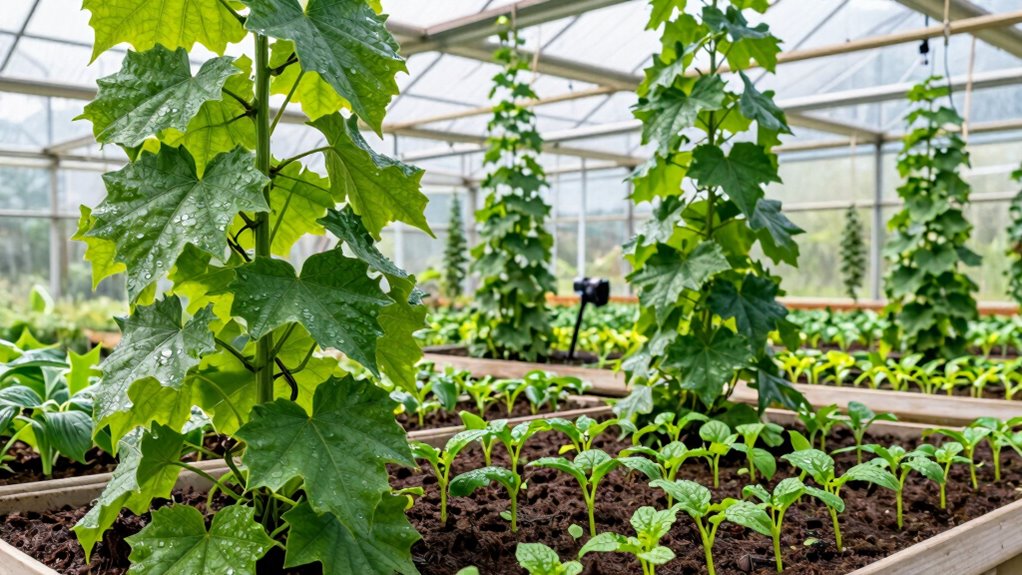
When managing fast growth spurts in your greenhouse, closely monitor nutrient levels and adjust fertilization to prevent deficiencies or toxicities, focusing on nitrogen balance. Keep an eye out for pests like aphids and whiteflies, and control them with manual removal or beneficial insects. Maintain ideal watering and soil health through crop rotation and soil testing. Staying vigilant ensures your plants stay strong and healthy during rapid growth—if you want to master these techniques, there’s more useful advice to explore.

Get garden gear delivered free with Prime
- Fast, free delivery on millions of items
- Prime Video, Amazon Music and more included
- Member-only deals all year
Key Takeaways
- Regularly monitor plant health and adjust fertilization to meet increased nutrient demands without overfeeding.
- Inspect plants frequently for pests, especially during tender new growth, and control infestations promptly.
- Maintain optimal watering practices to support rapid growth and prevent stress or disease.
- Promote soil health through crop rotation and soil testing to prevent nutrient imbalances.
- Encourage beneficial insects and keep the greenhouse environment clean to naturally manage pests and diseases.
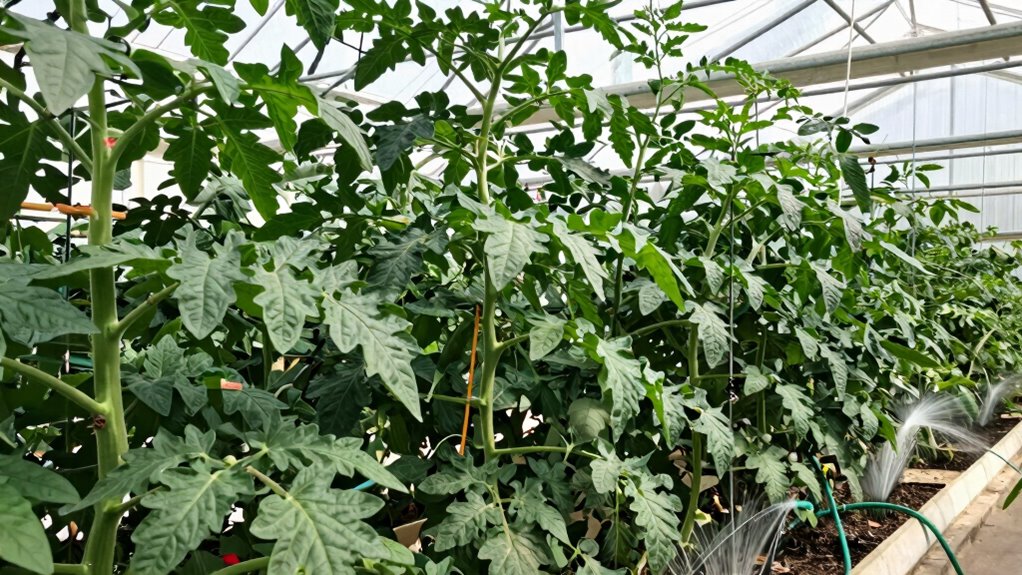
When plants in your greenhouse experience rapid growth spurts, it can challenge even seasoned gardeners. These sudden surges mean your plants are thriving, but they also demand quick adjustments to maintain optimal health. Managing this growth requires a careful balance of plant nutrition and pest management. If you ignore these aspects, you risk stunting growth or inviting diseases and pests that can quickly take hold amidst the chaos.
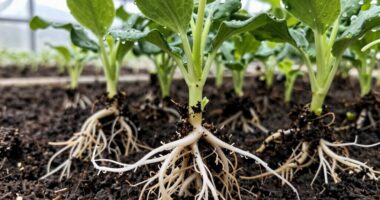
First, you’ll want to evaluate your plant nutrition. As plants grow rapidly, they consume nutrients at an accelerated rate. Ensure your fertilization schedule is adjusted accordingly, providing a balanced mix of macro- and micronutrients. Nitrogen is especially important during these phases because it promotes lush, vigorous foliage. However, don’t overdo it—excessive nitrogen can lead to weak stems and make plants more susceptible to pests. Keep an eye on nutrient deficiencies, which may manifest as yellowing leaves or stunted growth, and amend your fertilizer regimen as needed. Consistent soil testing helps you understand what nutrients are available and what needs supplementation, preventing deficiencies or toxicities from developing. Additionally, understanding the importance of biodiversity can help maintain a balanced ecosystem that naturally supports plant health. Incorporating beneficial insects into your pest management plan can further enhance your efforts, as they help control pest populations naturally. Promoting soil health is also essential, as healthy soil provides a resilient foundation for rapid plant growth. Maintaining proper watering practices supports overall plant resilience, especially during periods of rapid growth. Implementing a crop rotation strategy can also prevent soil depletion and reduce disease buildup, contributing to healthier, faster-growing plants.
Monitor nutrients closely and adjust fertilization to support rapid growth without causing deficiencies or toxicities.
Simultaneously, pest management becomes even more critical during these growth spurts. Rapidly growing plants often produce tender new leaves that serve as easy targets for pests like aphids, whiteflies, or spider mites. Regularly inspect your plants, especially the undersides of leaves, and remove any visible pests by hand or with gentle sprays. Introducing beneficial insects such as ladybugs or predatory mites can help control pest populations naturally. Keep your greenhouse clean; remove fallen leaves and debris, which can harbor pests and disease spores. If you notice a pest outbreak, act swiftly with organic or chemical controls that are safe for your plants and your environment. Remember, stressed plants are more vulnerable, so maintaining healthy, well-nourished plants can also reduce pest infestations.
Managing rapid plant growth is about staying vigilant and proactive. Adjust your fertilization based on your plants’ needs, ensuring they get enough nutrients to sustain their growth without overfeeding. At the same time, keep pest populations in check through regular inspections and natural control methods. These steps not only keep your plants healthy and vigorous but also create a balanced environment where pests and diseases are less likely to take hold. In the end, handling these growth spurts effectively means you’re fostering a thriving greenhouse where your plants can reach their full potential.
greenhouse fertilizer for rapid plant growth
As an affiliate, we earn on qualifying purchases.
As an affiliate, we earn on qualifying purchases.
Frequently Asked Questions
How Can I Prevent Overgrowth in Confined Greenhouse Spaces?
To prevent overgrowth in confined greenhouse spaces, you should focus on proper plant spacing and regular growth monitoring. Make sure plants aren’t crowded, which helps airflow and reduces competition. Keep an eye on growth patterns, and prune or stake plants early to control size. This proactive approach prevents overcrowding, promotes healthy development, and maximizes limited space efficiently. Consistent monitoring and spacing are key to managing rapid growth effectively.
What Are the Best Tools for Managing Rapid Plant Growth?
Think of managing rapid plant growth like guiding a wild river—you need sturdy tools to steer it. Use plant staking to support tall, leggy plants and prevent breakage. Growth regulators act as your dam, controlling and slow-growing plants when they surge. These tools keep your greenhouse organized, ensuring your plants grow healthily without overwhelming your space. Stay proactive, and your plants will flourish harmoniously.
How Does Humidity Affect Fast-Growing Plants?
Humidity profoundly impacts fast-growing plants by influencing plant transpiration. High humidity levels can diminish transpiration, leading to weak stems and increased disease risk, while low humidity causes excessive transpiration, dehydration, and stress. You should implement humidity control measures, like misting systems or dehumidifiers, to maintain ideal moisture levels. Proper humidity management ensures healthy growth, prevents stress, and helps your plants thrive during their rapid growth spurts.
When Should I Prune or Trim During a Growth Spurt?
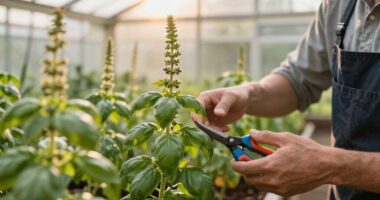
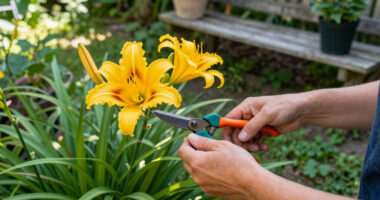
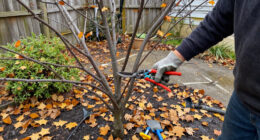
Timing trimming during a growth spurt is essential for control and cultivation. You should prune promptly when plants show signs of overgrowth or leggy stems, ensuring healthy growth management. Pruning timing depends on observing vigorous, vibrant growth; avoid cutting during the peak of rapid expansion to prevent stress. Regularly monitor your plants, trimming when necessary to maintain shape, promote airflow, and support sustainable, swift growth within your greenhouse.
Are There Specific Fertilizers to Support Rapid Growth?
Yes, you should use fertilizers formulated for rapid growth, such as those rich in nitrogen. Incorporate organic supplements and soil amendments like compost tea or fish emulsion to boost nutrient levels naturally. These support healthy, vigorous growth without stressing your plants. Apply them regularly, especially during growth spurts, to guarantee your plants get the essential nutrients they need for maximum development inside your greenhouse.
Conclusion
Handling fast growth spurts in your greenhouse is about staying attentive, adjusting quickly, and nurturing patiently. Keep a close eye on your plants, respond promptly to their needs, and provide consistent care. Monitor their progress, modify your strategies, and celebrate each healthy growth. By staying proactive, flexible, and committed, you create an environment where your plants thrive during rapid changes. In doing so, you guarantee their success, their energy, and your satisfaction—every step of the way.
Fall yard work Picks
leaf blowers
As an affiliate, we earn on qualifying purchases.