TL;DR

Get garden gear delivered free — and shop member deals
- Fast, free delivery on millions of items
- Access to Prime Big Deal Days deals on October 6–7
- Prime Video, Amazon Music and more included
Many pepper plants drop their leaves in August due to environmental stress, pests, or disease. This article explains confirmed causes and what gardeners can do to protect their plants.
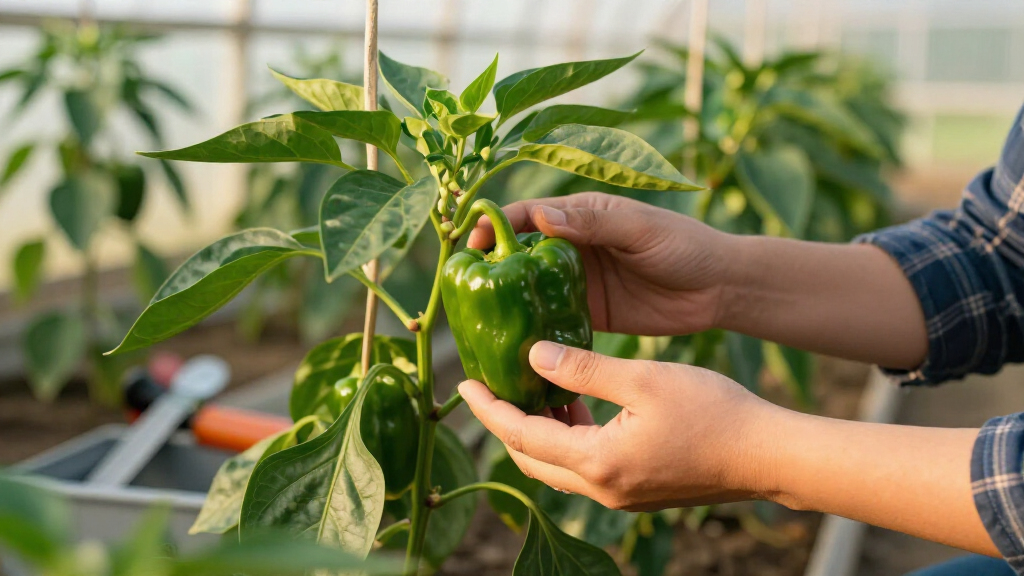
Peppers are dropping their leaves in August, a common issue that can threaten plant health and yield. Experts confirm that environmental stress, pests, and disease are primary causes, making early diagnosis crucial for gardeners.
Gardeners across various regions have reported significant leaf drop in their pepper plants during late summer. According to horticultural specialists, this phenomenon is often linked to factors such as high temperatures, irregular watering, pest infestations, and fungal diseases. The leaf loss can weaken plants, reduce fruit production, and increase vulnerability to further stress.
Confirmed causes include environmental stress from heat and drought, which can lead to physiological leaf drop as plants conserve water. Pests such as aphids, spider mites, and whiteflies can also cause leaf damage and premature shedding. Additionally, fungal infections like phytophthora or bacterial spot have been identified as contributing factors, especially in humid conditions.
Gardeners are advised to monitor their plants closely, ensure consistent watering, and inspect for pests regularly. Applying appropriate organic or chemical controls and providing shade during peak heat can help mitigate some of these issues. However, the exact combination of causes varies by region and specific plant conditions.
Impacts of Late-Summer Leaf Drop on Pepper Plants
This issue matters because leaf loss directly affects the plant’s ability to photosynthesize, which can lead to reduced fruit yield and overall plant vitality. Understanding the confirmed causes allows gardeners to take targeted actions, preventing long-term damage and supporting healthy crop production during the critical late summer period.
As an affiliate, we earn on qualifying purchases.
Recent Trends in Pepper Plant Health During Summer
Leaf drop in peppers is a common seasonal phenomenon, but reports have increased this year, possibly due to prolonged heatwaves and changing weather patterns. Historically, late-summer stressors such as high temperatures and humidity have contributed to plant decline, but recent climate fluctuations have intensified these effects. Pest populations have also surged in some areas, compounding plant stress. Prior advice focused on regular watering and pest control, but current conditions demand more vigilant management.
“Environmental stress from heat and irregular watering is the primary driver of leaf drop in peppers this time of year. Early detection and proper care can help mitigate damage.”
— Dr. Emily Carter, horticultural expert at the University of California
Unconfirmed Factors and Regional Variations
While environmental stress and pests are confirmed causes, the precise contribution of fungal diseases and the impact of specific weather patterns remain under investigation. Regional differences in climate and plant varieties mean that causes may vary, and some cases may involve multiple factors simultaneously. Researchers are still collecting data to establish definitive links and optimal interventions.
Recommended Actions and Monitoring Strategies for Gardeners
Gardeners are advised to continue vigilant monitoring of their pepper plants for pests and signs of disease. Maintaining consistent watering, providing shade during peak heat, and applying appropriate pest controls can reduce leaf drop. Ongoing research aims to refine management practices, and local extension services will offer region-specific guidance. Further developments are expected as weather patterns and pest populations evolve.
Key Questions
Why are my pepper plants dropping leaves only in August?
This is typically due to environmental stress from high temperatures or irregular watering, pest infestations, or fungal diseases, which become more prevalent during late summer.
How can I tell if pests are causing the leaf drop?
Inspect your plants regularly for visible pests like aphids, spider mites, or whiteflies. Look for signs of damage such as stippling, webbing, or sticky residue, which indicate pest activity.
What steps should I take to protect my pepper plants?
Ensure consistent watering, provide shade during the hottest parts of the day, and use organic or chemical pest controls as needed. Remove affected leaves and improve air circulation to prevent fungal infections.
Is this leaf drop normal, or should I be worried?
Some leaf shedding is natural, but excessive or sudden loss indicates stress or health issues that need attention. Early intervention can help preserve plant health.
Will the plants recover after losing leaves?
In many cases, with proper care and management, pepper plants can recover and produce fruit later in the season. Monitoring and addressing underlying causes are essential for recovery.
Source: rss
Fall yard work Picks
leaf blowers
As an affiliate, we earn on qualifying purchases.