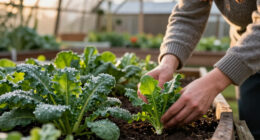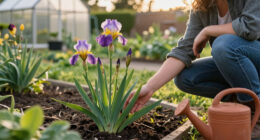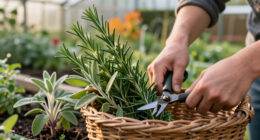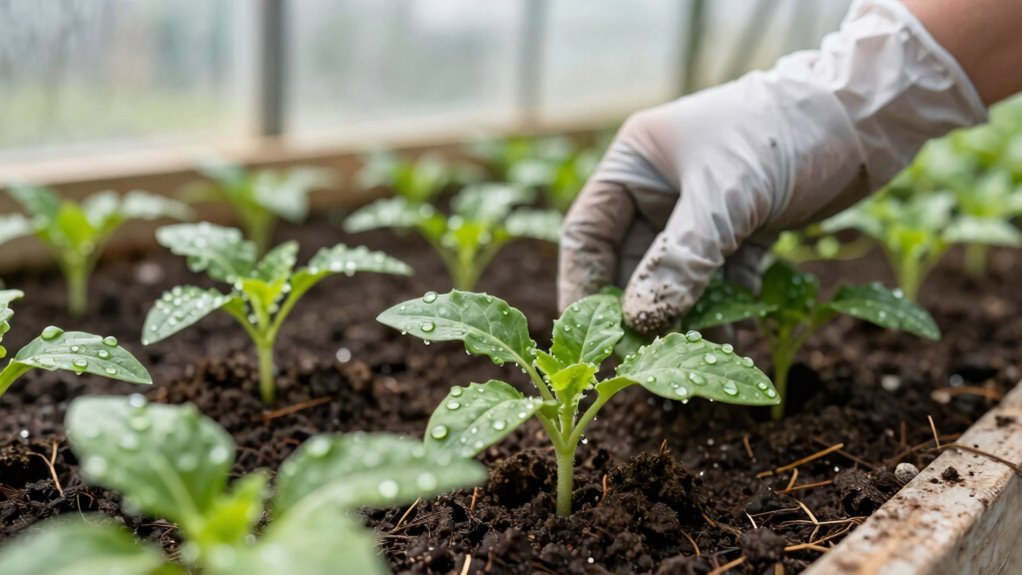
When you observe your greenhouse plants regularly, you catch early signs of pests, deficiencies, or stress that can weaken them. This attention allows you to take quick, targeted actions like adjusting nutrients or controlling pests before problems worsen. By staying vigilant, you help your plants grow stronger, more resistant, and healthier overall. Keep paying attention, and you’ll discover even more ways to foster thriving plants and enhance your greenhouse success.

Get garden gear delivered free with Prime
- Fast, free delivery on millions of items
- Prime Video, Amazon Music and more included
- Member-only deals all year
Key Takeaways
- Early detection of pests and deficiencies prevents damage and promotes healthy growth.
- Regular observation helps tailor environmental conditions for optimal plant development.
- Identifying issues early reduces reliance on chemical treatments, supporting plant resilience.
- Monitoring fosters proactive care, leading to stronger, more vigorous plants.
- Developing keen observation skills enables sustainable, effective greenhouse management.
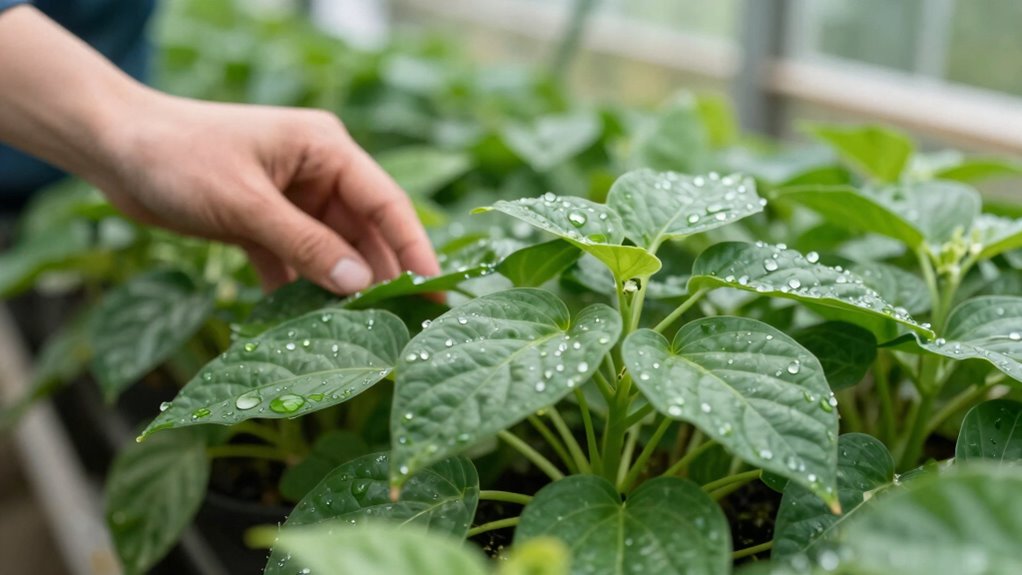
Observing greenhouse plants closely can considerably improve their health and growth. When you pay attention to how your plants look and behave, you gain crucial insights that help prevent issues before they become severe. This proactive approach is essential because it allows you to spot signs of pest management problems early on, such as holes in leaves, webbing, or discolored spots. Recognizing these symptoms quickly means you can take targeted action—whether that’s introducing natural predators, applying organic treatments, or adjusting your pest control strategies—before pests cause lasting damage.
Close observation of greenhouse plants helps prevent pest and nutrient problems early, ensuring healthier, more resilient growth.
Equally important is noticing signs of nutrient deficiency. As you observe your plants, keep an eye out for yellowing leaves, stunted growth, or unusual leaf curling. These are often indicators that your plants aren’t getting the right balance of nutrients. Regular inspection helps you identify deficiencies early, so you can amend the soil or adjust your fertilization routine promptly. This prevents deficiencies from weakening your plants, making them more resistant to pests and diseases.
Good observation also enhances your overall understanding of plant health, which in turn informs your cultivation decisions. For example, if you see a particular section of your greenhouse consistently shows signs of stress or nutrient issues, you can investigate environmental factors like light, humidity, or airflow. By doing so, you optimize growing conditions to support stronger, healthier plants. Over time, this careful attention reduces the likelihood of widespread problems, saving you time and resources. Incorporating proper plant monitoring can lead to more precise and effective adjustments to your greenhouse environment. Developing a keen eye for detail can further help you detect subtle issues that might otherwise go unnoticed.
Furthermore, strong greenhouse plants don’t just grow better—they’re also more resilient. When you know your plants intimately, you can provide precise care tailored to their needs, which encourages vigorous growth. Strong plants are less susceptible to pests and diseases, completing a cycle of health that begins with keen observation. This proactive vigilance minimizes the need for heavy chemical interventions, creating a more sustainable and productive greenhouse environment. Additionally, understanding the signs of plant stress through visual cues allows for quicker responses, further supporting plant resilience. Developing consistent observation habits can also help you track long-term trends and improvements in your greenhouse management.
Ultimately, your ability to observe and interpret subtle changes in your plants is a game-changer. It empowers you to manage pest threats effectively and address nutrient deficiencies before they escalate. Developing keen observational skills is crucial for sustainable cultivation, as it helps prevent over-reliance on chemical solutions. By making observation a daily routine, you cultivate healthier, more robust plants that thrive and produce better yields. In this way, the foundation of strong greenhouse plants truly starts with your attentive eye—an essential skill for any serious grower aiming for success.
As an affiliate, we earn on qualifying purchases.
Frequently Asked Questions
How Often Should I Observe My Greenhouse Plants?
You should observe your greenhouse plants daily, especially during their early growth stages, to monitor plant growth and catch pest detection issues early. Regular observation helps you notice signs of stress, disease, or pests before they spread, ensuring healthier plants. By staying attentive, you can adjust watering, lighting, or treat pests promptly, ultimately promoting stronger, more vigorous greenhouse plants. Consistent observation is key to a thriving greenhouse environment.
What Tools Are Best for Observing Plant Health?
Think of plant health like a detective’s toolkit—your observation techniques are your magnifying glass. Use a plant diagnostic tool like a handheld leaf moisture meter or pH tester to gather precise data. A good camera helps capture subtle changes, while a magnifying glass lets you examine pests or spots closely. These tools give you clear insights, helping you spot issues early and keep your greenhouse thriving.
Can Observation Replace Traditional Plant Care Methods?
Observation can’t fully replace traditional plant care methods, but it’s crucial for early detection of issues like pest infestation and nutrient deficiencies. By closely monitoring your plants, you can spot signs of poor plant nutrition or pests before they cause significant damage. Combining observation with regular care routines ensures healthier plants, as you catch problems early and adjust your care accordingly. It’s about using observation as an indispensable tool, not a substitute.
How Do Environmental Factors Influence Plant Observations?
Environmental factors considerably influence your plant observations because environmental cues trigger plant responses. Changes in light, temperature, humidity, or airflow can alter how plants grow and react. By paying close attention to these cues, you can better understand what your plants need, allowing you to adjust care accordingly. This proactive approach helps you notice early signs of stress or health issues, leading to healthier, more resilient greenhouse plants.
What Signs Indicate a Plant Needs Immediate Attention?
You notice wilting leaves or discolored spots—that’s a clear sign your plant needs immediate attention. Check soil moisture; if it’s too dry or soggy, adjust watering. Keep an eye out for pest detection—tiny insects or webbing can signal trouble. When you see these signs, act quickly to diagnose and address issues, ensuring your plant recovers and stays healthy. Early intervention makes all the difference.
Conclusion
You see, when you pay close attention to your greenhouse plants, it’s like uncovering a secret language they’ve been trying to share. Sometimes, a tiny leaf curl or a subtle color shift hints at a bigger need. It’s no coincidence that those who observe carefully often grow the strongest, healthiest plants. Your diligent eye not only nurtures growth but also becomes a quiet reminder that success begins with simple, mindful observation—turning small moments into abundant harvests.
Fall yard work Picks
leaf blowers
As an affiliate, we earn on qualifying purchases.