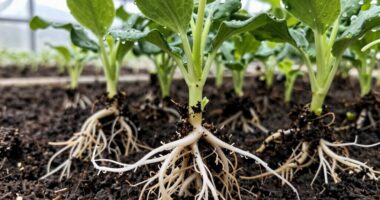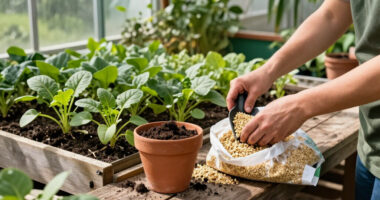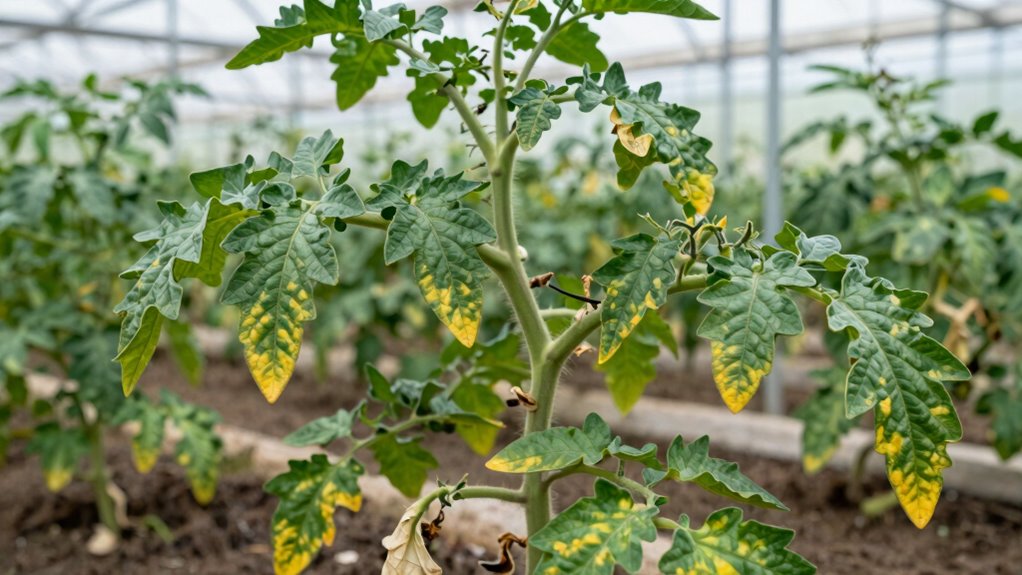

If your plants show uneven growth, smaller leaves, and yellowing on older foliage, these are quiet signs of poor nutrition. Pale new leaves or abnormal leaf patterns like curling or spotting also indicate deficiencies or pH imbalances. You might notice weaker stems and reduced flowering, signaling you need to check your soil’s pH and nutrient levels. Staying aware of these subtle clues helps you catch issues early—there’s more to uncover that can keep your greenhouse thriving.

Get garden gear delivered free with Prime
- Fast, free delivery on millions of items
- Prime Video, Amazon Music and more included
- Member-only deals all year
Key Takeaways
- Observe uneven or stunted plant growth and weak stems as early indicators of nutrient deficiencies.
- Look for yellowing or pale new leaves, signaling potential iron or magnesium deficiencies.
- Monitor leaf edges for yellowing or browning, which often indicates potassium deficiency.
- Check for abnormal leaf patterns like curling or spotting, suggesting nutrient imbalance or pH issues.
- Regularly assess overall plant vigor and growth patterns to detect subtle signs of poor nutrition early.
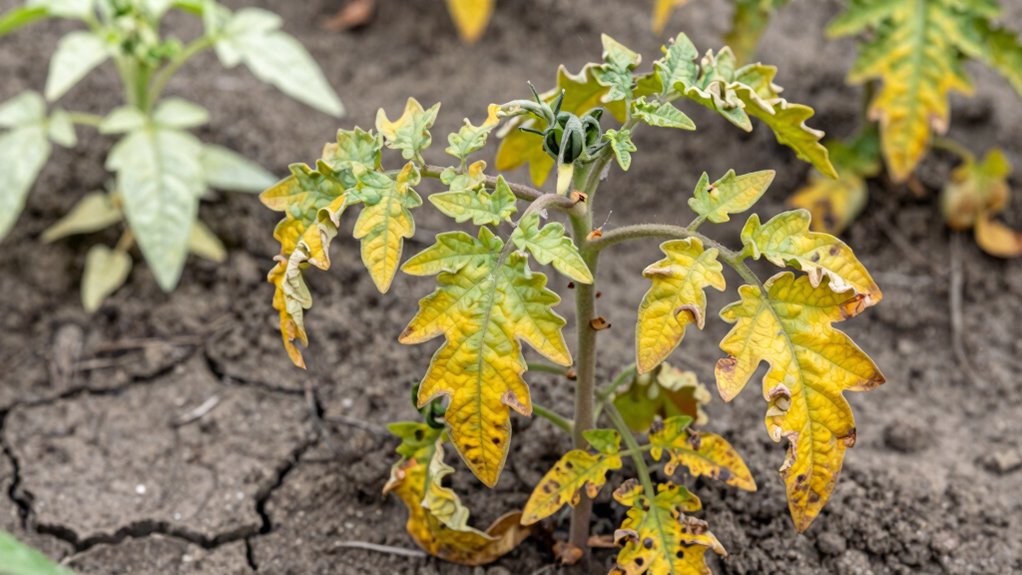
Monitoring your greenhouse plants closely is essential because nutritional deficiencies can quickly hinder their growth and yield. When plants don’t get the right nutrients in the proper amounts, they exhibit subtle signs that are easy to overlook but can have serious consequences if left unaddressed. One of the first clues is uneven or stunted growth. You might notice some plants lagging behind others or exhibiting smaller leaves and weaker stems. These are often early indicators of nutrient deficiency, especially if the problem persists across multiple plants. Another common warning sign is changes in leaf color. If you see yellowing leaves, particularly on the older foliage, it could point to a nitrogen deficiency. Conversely, if new leaves are pale or have a lighter green hue, it may suggest iron or magnesium deficiencies. These color changes often occur gradually, so keeping a close eye on your plants’ foliage can help you catch problems early before they become severe. It’s also imperative to consider pH imbalance, which can make nutrients less available to your plants. If your soil or growing medium is too acidic or too alkaline, it can lead to nutrient lockout, where plants are unable to absorb essential elements despite their presence. This often results in symptoms similar to nutrient deficiencies, such as chlorosis or poor growth, making it crucial to regularly test and adjust your pH levels. Proper soil testing can help identify these issues before they impact plant health. Additionally, understanding the nutrient cycle is vital for maintaining healthy plant growth. Beyond color changes and growth issues, you should watch for abnormal leaf patterns. Curling, browning, or spotting can indicate specific deficiencies or pH problems affecting nutrient uptake. For example, leaf edges turning yellow or brown might be a sign of potassium deficiency, but it can also be related to pH imbalance. If you notice these symptoms, it’s a sign that you need to evaluate your nutrient regimen and soil conditions. Recognizing the importance of nutrient availability can help prevent deficiencies from developing in the first place. Weak or spindly plants with minimal flowering or fruiting can signal an overall nutrient imbalance or inadequate fertilization. Regular monitoring of your plants’ overall health and growth patterns can help you catch issues early and maintain optimal nutrient levels.
As an affiliate, we earn on qualifying purchases.
Frequently Asked Questions
How Often Should I Test My Greenhouse Nutrient Levels?
You should test your greenhouse nutrient levels at least once a month. Regular soil sampling helps you monitor nutrient deficiencies or excesses, while pH testing guarantees ideal conditions for plant uptake. If you’re growing sensitive crops or experiencing issues, testing more frequently—every two weeks—can be beneficial. Consistent testing allows you to adjust fertilization and maintain balanced nutrition, preventing problems before they become serious.
Can Poor Nutrition Affect Plant Disease Resistance?
Imagine your plants as warriors, fighting off diseases. Poor nutrition weakens their armor, making them vulnerable. When soil pH is off or micronutrient deficiencies occur, plants can’t build strong defenses, increasing disease susceptibility. You might notice pale leaves or stunted growth—silent signs of nutritional imbalance. By maintaining proper soil pH and addressing deficiencies, you bolster your plants’ natural immunity, helping them resist diseases more effectively.
What Are the Best Tools for Diagnosing Nutrient Deficiencies?
You should use soil testing and leaf analysis to diagnose nutrient deficiencies effectively. Soil testing reveals nutrient levels and pH, helping you identify deficiencies or imbalances at the root zone. Leaf analysis provides insight into the plant’s current nutrient uptake and status. Combining these tools offers an all-inclusive view, allowing you to adjust fertilization strategies promptly and prevent potential growth issues caused by poor nutrition.
Do Nutrient Deficiencies Vary Between Different Plant Species?
Think of plants as different musical instruments; each requires unique tuning. Species-specific deficiencies mean that what shows as a deficiency in one plant might be normal in another. For example, tomatoes often show magnesium deficiency as yellowing between leaf veins, but lettuce rarely does. Recognizing plant nutrient variations helps you avoid misdiagnosis and tailor your fertilization, ensuring each plant gets its perfect “tune-up.”
How Quickly Do Plants Show Symptoms of Nutrient Imbalance?
You’ll usually see symptoms of nutrient imbalance within a few days to weeks, depending on the severity and the specific nutrient involved. Early symptom identification is essential, as it helps you address causes like deficiencies or toxicities quickly. Nutrient imbalance causes can include poor soil or media quality, improper fertilization, or environmental stresses. Recognizing these signs early allows you to correct issues before they severely affect plant health and yield.
Conclusion
Pay close attention to the subtle signals your plants send—they’re like whispers from the roots, hinting at deeper issues. When you notice yellowing leaves or stunted growth, don’t ignore these signs; they’re your greenhouse’s way of crying out for help. Addressing poor nutrition early is like catching a small leak before it floods. By tuning in to these quiet warnings, you guarantee your plants thrive and your greenhouse remains a healthy, vibrant oasis.
Fall yard work Picks
leaf blowers
As an affiliate, we earn on qualifying purchases.