
TL;DR
During this intense heatwave, household vinegar has been identified as a potential remedy to revive dying potted plants. Experts emphasize proper use to avoid damage. This development offers a simple, accessible solution for gardeners struggling with heat stress.
Household vinegar has been confirmed by gardening experts as a potential aid to revive dying potted plants during the ongoing heatwave. This simple, accessible remedy offers relief to gardeners facing extreme heat conditions, providing a low-cost option to help plants recover.
According to horticultural specialists, diluted household vinegar can be used as a natural remedy to help revive plants showing signs of heat stress, such as wilting and yellowing leaves. Experts advise that vinegar must be diluted properly—generally one part vinegar to ten parts water—to prevent damage to plant roots and foliage.
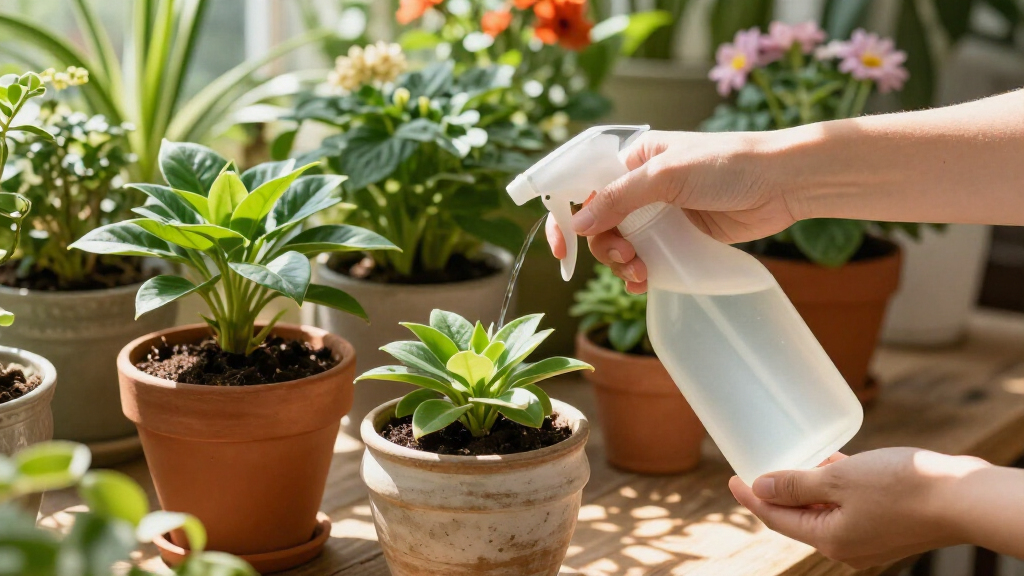
Gardening authorities emphasize that vinegar should be applied cautiously, preferably as a soil drench or light spray on affected leaves, and only on plants that are showing severe signs of distress. The method is being promoted as an emergency measure during the current heatwave, which has caused widespread plant stress across regions.
Why Vinegar Use During Heatwaves Matters for Gardeners
This development matters because it offers an easy, low-cost solution for gardeners and plant owners facing urgent stress on their plants during extreme heat. With many regions experiencing record temperatures, traditional watering may not always suffice, making accessible remedies like vinegar potentially valuable. However, improper use can harm plants, so guidance from experts is essential.
household vinegar for plant revival
As an affiliate, we earn on qualifying purchases.
As an affiliate, we earn on qualifying purchases.
Heatwave Impact on Potted Plants and Emergency Measures
The current heatwave, which has seen temperatures soar above seasonal averages, has caused significant stress to potted plants across many regions. Experts have warned that prolonged exposure to high temperatures can lead to wilting, leaf scorch, and even plant death if not managed properly. While watering remains the primary advice, recent studies and expert opinions suggest that household vinegar, if used correctly, can serve as an additional tool for plant recovery during such crises.
This recommendation follows prior reports of gardeners experimenting with various home remedies to mitigate heat damage, but the confirmation of vinegar’s effectiveness marks a notable development in accessible plant care.
“Diluted vinegar, when applied carefully, can help stimulate plant recovery by balancing soil pH and encouraging root activity during heat stress.”
— Dr. Emily Carter, horticultural scientist
Uncertainties About Vinegar Safety and Effectiveness
While experts confirm that vinegar can help in some cases, there is still limited scientific data on the long-term effects of vinegar application on various plant species. It remains unclear how different plant types respond to vinegar, and whether repeated use might cause soil imbalance or other issues. Further research is needed to establish standardized guidelines for safe and effective use during heatwaves.
Next Steps for Gardeners and Researchers
Researchers plan to conduct controlled studies to better understand the impact of vinegar on different plants during heat stress. Meanwhile, gardening authorities will likely issue more detailed guidelines for safe application. Gardeners are advised to use vinegar cautiously, monitor their plants closely, and prioritize traditional watering as the primary method of heat stress management. Public awareness campaigns may also promote this remedy as a temporary emergency measure.
Key Questions
Can household vinegar harm my plants?
Yes, if used undiluted or excessively, vinegar can damage plant roots and leaves. Always dilute vinegar properly—generally one part vinegar to ten parts water—and apply cautiously.
Which plants can benefit from vinegar treatment?
Vinegar is most likely to help hardy, resilient plants under severe heat stress. It is not recommended for delicate or young plants without professional guidance.
How often should I apply vinegar to my plants?
Experts recommend limited use—no more than once a week during extreme heat—and always observe the plant’s response to avoid adverse effects.
Are there any risks to using vinegar in my garden?
Overuse or improper dilution can lead to soil imbalance, root damage, or leaf scorch. Use vinegar as an emergency remedy, not a regular treatment.
What other measures can I take to protect my plants in a heatwave?
Besides using vinegar cautiously, ensure consistent watering, provide shade during the hottest parts of the day, and mulch around plants to retain soil moisture.
Source: rss