
TL;DR

Get garden gear delivered free with Prime
- Fast, free delivery on millions of items
- Prime Video, Amazon Music and more included
- Member-only deals all year
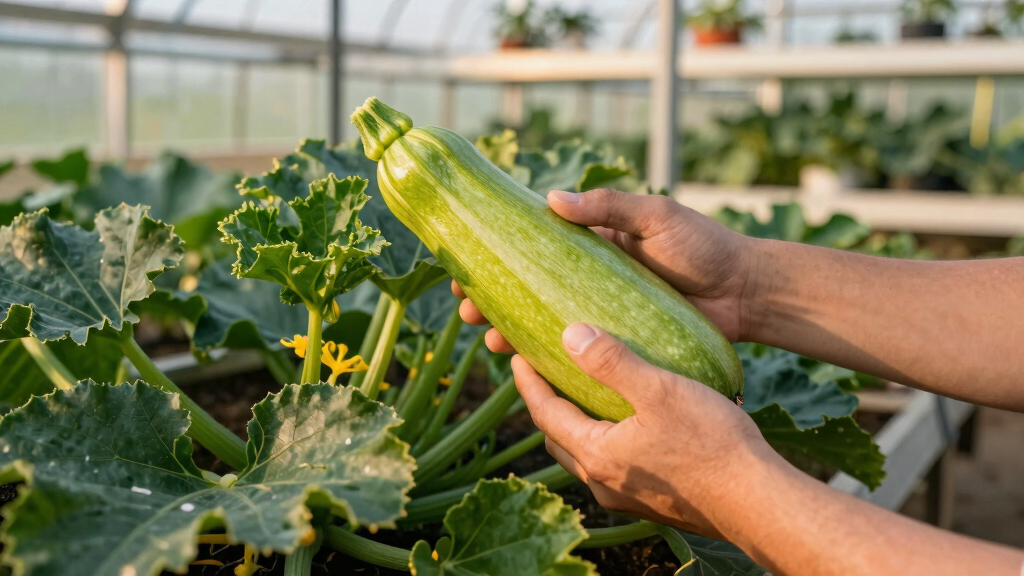
Many gardeners find their zucchini plants produce only flowers or small, undeveloped fruits. Experts say this is often due to environmental stress or pollination issues, but a simple fix can restore fruit production. This article explains the causes and solutions for better zucchini yields.
Many gardeners are frustrated to find their zucchini plants producing only flowers or small, misshapen fruits instead of healthy, mature zucchinis. Experts confirm that this issue is often caused by environmental stress or inadequate pollination and can be resolved with simple adjustments to care routines.
According to horticulturists, a common reason for poor zucchini fruit development is environmental stress, such as high temperatures or irregular watering, which can inhibit pollination or cause flowers to drop prematurely. Additionally, insufficient pollination—often due to a lack of pollinators like bees—leads to flowers failing to set fruit.
One straightforward solution recommended by gardening experts involves hand-pollinating flowers using a small brush or cotton swab to transfer pollen from male to female flowers. Ensuring consistent watering and mulching to regulate soil moisture can also improve plant health and fruiting.
Some gardeners have reported success after adjusting planting times to avoid peak heat and providing supplemental pollination, leading to more robust zucchinis.
How Poor Pollination and Stress Affect Your Zucchini Harvest
This issue directly impacts home gardeners’ yields, leading to disappointment and wasted effort. Understanding and addressing the causes can significantly increase the quantity and quality of zucchinis, making gardening more rewarding and productive.
hand pollination kit for vegetables
As an affiliate, we earn on qualifying purchases.
As an affiliate, we earn on qualifying purchases.
Common Causes of Zucchini Fruit Failures in Home Gardens
Gardeners often notice that zucchinis produce abundant flowers but few or no fruits. Experts attribute this to factors such as high temperatures during flowering, inconsistent watering, or a lack of pollinators. Historically, poor fruiting has been a recurring problem, especially in warmer climates or during heatwaves, which can cause flowers to drop before setting fruit.
Previous advice has focused on fertilization and pest control, but recent guidance emphasizes the importance of pollination and environmental management to improve yields.
“Inconsistent watering and high temperatures are major stressors that prevent zucchinis from setting fruit. Hand-pollination is a simple yet effective solution for home gardeners.”
— Dr. Emily Carter, horticulturist
Unclear Factors in Zucchini Pollination Success
While hand-pollination and environmental adjustments are proven effective, it is still unclear how much each factor individually contributes to poor fruiting across different climates. The specific impact of declining bee populations on zucchini yields in various regions remains under study.
Next Steps for Gardeners to Boost Zucchini Production
Gardeners are advised to try hand-pollination techniques, optimize watering routines, and plant at times less affected by extreme heat. Monitoring local weather trends and encouraging pollinator activity can further improve results. Ongoing research may refine these recommendations in the future.
Key Questions
How do I know if my zucchini flowers are male or female?
Male flowers typically appear first and have a thin stem without a fruit at the base. Female flowers have a small, undeveloped zucchini behind the flower. Identifying the difference helps in manual pollination efforts.
Can I use a commercial product to improve pollination?
While some products claim to attract pollinators, the most reliable method is to encourage natural pollination through planting flowers that attract bees or by hand-pollinating flowers directly.
What environmental conditions are best for zucchini pollination?
Moderate daytime temperatures (around 70-85°F), consistent soil moisture, and active pollinator presence are ideal for successful pollination and fruiting.
Is it too late to fix poor zucchini yields in the current season?
In many cases, applying hand-pollination techniques and adjusting watering can still improve fruit development, even later in the season.
Are there specific varieties more resistant to poor pollination?
Some zucchini varieties are more resilient, but environmental management and pollination practices are generally effective across most types.
Source: rss
Fall Picks
fall essentials
As an affiliate, we earn on qualifying purchases.