
TL;DR

Get garden gear delivered free — and shop member deals
- Fast, free delivery on millions of items
- Access to Prime Big Deal Days deals on October 6–7
- Prime Video, Amazon Music and more included
Gardening Know How recommends six October tasks for tender geraniums, commonly grown as annuals: deadhead and trim lightly, stop feeding, adjust watering, take cuttings, provide shelter and bring pots indoors before cold nights or frost. The advice differs for hardy true geraniums, which generally stay outdoors in their growing zones.
Gardening Know How has outlined six October care steps for tender geraniums, commonly grown as annuals, to extend flowering where weather permits and prepare plants for winter. The report advises gardeners to deadhead, stop fertilizing, adjust watering, take cuttings, shelter plants and move potted specimens indoors before regular overnight temperatures fall below 45–50°F (7–10°C) or the first frost arrives.
The first steps focus on slowing summer care. The report recommends removing faded flower stalks and damaged or yellow leaves, while stopping fertilizer in most areas by October. It says excess feeding can prompt fresh growth when the plant should be slowing down for winter. Watering should also be reduced as cooler weather and shorter days can leave soil moist for longer; gardeners are advised to check the top inch of soil and water if it feels dry.
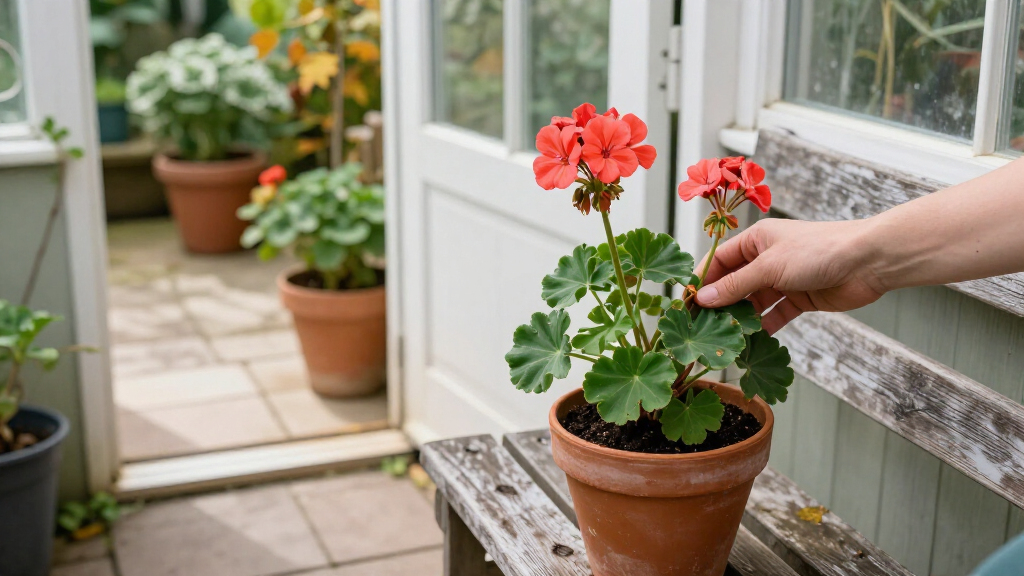
For plants gardeners hope to keep, the report recommends taking four- to six-inch cuttings from healthy, non-flowering stems and rooting them in potting mix in a warm spot with bright, indirect light. Potted plants still flowering can be moved to shelter from wind or covered overnight as temperatures fall. Before bringing tender plants indoors, trim about one-third of the foliage, inspect for pests and place them in a bright location away from cold drafts and vents, following these geranium care tips.
Preparing Tender Plants for Cold
The steps give gardeners several ways to handle plants as the growing season ends: extend blooms briefly, preserve a preferred plant through cuttings, or overwinter a potted specimen indoors. The report cautions that tender geraniums generally will not survive winter outdoors in most regions, so timing the move indoors around cold nights or frost can affect whether a plant can be kept for another season.
The distinction between tender geraniums and hardy true geraniums matters. The guidance says true geraniums, also called cranesbill, are generally hardy in USDA zones 3 through 8, while tender Pelargoniums survive outdoors year-round only in very warm areas, generally zones 10 and higher. Gardeners should identify which type they have before following the overwintering advice.
As an affiliate, we earn on qualifying purchases.
Pelargoniums and Hardy Cranesbill
The common name “geranium” is used for two different groups. The report focuses mainly on Pelargoniums, tender perennials often grown as annuals. It also offers separate notes for true geraniums, hardy perennials often called cranesbill. Their fall care differs: hardy types need little watering once established, do not generally need fall fertilizer and are better propagated by dividing roots than by taking stem cuttings.
The October timing reflects a seasonal shift rather than a single date that applies everywhere. Plants may continue blooming in some locations, but cooler temperatures eventually slow flowering. The report recommends responding to local conditions, especially overnight temperatures and frost risk.
““This adjustment is based on need, not a complete stop to watering.””
— Gardening Know How
Local Frost Dates Shape Timing
The report does not give location-specific frost dates or a single calendar date for moving plants indoors. The right timing depends on local conditions: it advises bringing tender potted geraniums inside before overnight temperatures regularly fall below 45–50°F (7–10°C), or before the first frost if that comes sooner. It also says indoor survival is not guaranteed, even with care.
Whether plants are still blooming in October will vary by garden and weather. The report provides general seasonal guidance, not a forecast for any particular location.
Watch Nights and Soil Conditions
Gardeners can continue deadheading while flowers remain, monitor soil moisture as temperatures cool and watch overnight forecasts for cold thresholds or frost. Those planning to overwinter tender plants can take cuttings and inspect potted specimens for pests before bringing them indoors. The report gives no further dated milestone; the next steps depend on local weather and the type of geranium being grown.
Key Questions
When should I bring tender geraniums indoors?
Bring potted tender geraniums inside before overnight temperatures regularly fall below 45–50°F (7–10°C), or before the first frost if it comes sooner, according to Gardening Know How.
Should I stop watering geraniums in October?
No. The report recommends watering less often, not stopping altogether. Check the soil and water when the top inch feels dry.
Can I save a geranium by taking cuttings?
The report recommends taking four- to six-inch cuttings from healthy, non-flowering stems as a way to try to preserve tender Pelargoniums. It says not every plant will survive winter indoors.
Do hardy true geraniums need to come indoors?
Usually not, according to the report. True geraniums, or cranesbill, are generally hardy in USDA zones 3 through 8, though gardeners should consider their local conditions and the plant’s growing zone.
Source: rss
Halloween Picks
halloween
As an affiliate, we earn on qualifying purchases.