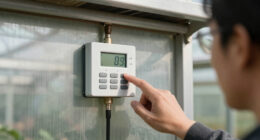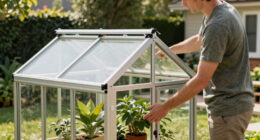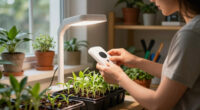
Searching for a low waste greenhouse upgrade means balancing sustainability with productivity. The Greenhouse of the Future stands out for its smart, year-round capabilities, while the Year-Round Solar Greenhouse offers a net-zero energy design perfect for eco-conscious growers. However, tradeoffs often involve higher upfront costs versus long-term savings or ease of installation versus complexity. Keep reading for a detailed comparison of these top options and what makes each suitable for different needs.
Prime for Young Adults — start your free trial
Fast free delivery, streaming and member deals for eligible 18–24 year olds.
Try it freeAs an affiliate, we earn on qualifying purchases.
Complete the kit


Key Takeaways
- The most successful low waste greenhouses combine renewable energy sources with efficient design features to minimize environmental impact.
- Top picks distinguish themselves by balancing upfront costs with long-term sustainability benefits, such as energy savings or waste reduction.
- Design complexity varies widely, with some models suited for DIY enthusiasts and others requiring professional installation.
- Material choices, like recycled or biodegradable components, are key factors that influence a greenhouse‘s waste footprint.
- The best options also consider ease of maintenance and adaptability to different climates, ensuring ongoing sustainability.
| The Greenhouse of the Future: Smart, Sustainable, and Year-Round Growing Made Simple |  | Best Overall for Integrated Smart Sustainability | Smart Technology Integration: Yes | Eco-Friendly Materials: Yes | Year-Round Growing Capability: Yes | VIEW ON AMAZON | See Our Full Breakdown |
| The Year-Round Solar Greenhouse: How to Design and Build a Net-Zero Energy Greenhouse |  | Best for Sustainable Design and Construction Guidance | Focus Area: Energy efficiency, sustainable design | Target Audience: Professionals and advanced hobbyists | Construction Guidance: Detailed technical tips | VIEW ON AMAZON | See Our Full Breakdown |
| Self-Sufficient Greenhouse for Small Spaces |  | Best for Small-Scale Organic Food Security | Size: Small | Cost: Low | Growing Focus: Organic food | VIEW ON AMAZON | See Our Full Breakdown |
| How to Build an Eco-Friendly Greenhouse: Reduce Reuse Recycle |  | Best for Eco-Conscious Construction and Waste Reduction | Focus: Eco-friendly construction | Materials: Recycled, sustainable | Guidance Level: Practical tips, not detailed instructions | VIEW ON AMAZON | See Our Full Breakdown |
| Greenhouse Gardening Guide: Build an Eco-Friendly Greenhouse for Year-Round Harvests |  | Best for Practical, Sustainable Growing Solutions | Focus: Renewable energy, water conservation | Natural Pest Control: Yes | Cost: Affordable | VIEW ON AMAZON | See Our Full Breakdown |
| The Solar Garden Greenhouse: The Design and Construction of a Year-Round Solar-Powered, Carbon-Neutral Greenhouse |  | Best for Eco-Conscious Builders and DIY Enthusiasts | Publication Year: 2023 | Focus: Solar-powered, carbon-neutral greenhouse design | Intended Audience: Experienced DIY builders and sustainability enthusiasts | VIEW ON AMAZON | See Our Full Breakdown |
| low waste greenhouse upgrade | Focus |
|---|---|
| The Greenhouse of the Future: | — |
| The Year-Round Solar Greenhous | — |
| Self-Sufficient Greenhouse for | — |
| How to Build an Eco-Friendly G | Eco-friendly construction |
| Greenhouse Gardening Guide: Bu | Renewable energy, water conservation |
| The Solar Garden Greenhouse: T | Solar-powered, carbon-neutral greenhouse design |
More Details on Our Top Picks
The Greenhouse of the Future: Smart, Sustainable, and Year-Round Growing Made Simple
This greenhouse stands out for its seamless integration of smart technology with eco-friendly design, making year-round gardening accessible without sacrificing sustainability. Compared to the Greenhouse Gardening Guide, which focuses more on manual building techniques, this model offers technological automation that reduces manual effort and enhances climate control. However, the initial setup cost and ongoing maintenance can be a barrier for budget-conscious gardeners. Its ability to adapt to changing conditions with smart sensors means less waste and more efficient resource use, aligning with low waste goals. This choice is ideal for gardeners who want a hands-off, sustainable solution that simplifies year-round growing but are prepared for a higher investment.
Pros:- Smart technology enables precise climate control and resource efficiency
- Eco-friendly design reduces environmental impact
- Supports continuous, year-round cultivation with minimal manual intervention
Cons:- High initial purchase and installation costs
- Requires ongoing setup and maintenance of electronic systems
Best for: Tech-savvy homeowners seeking a sustainable, automated greenhouse for year-round use
Not ideal for: Budget-conscious gardeners or those preferring DIY construction without technological complexity
- Smart Technology Integration:Yes
- Eco-Friendly Materials:Yes
- Year-Round Growing Capability:Yes
- Initial Cost Range:High
- Automation Features:Climate sensors, automated vents
- Maintenance Level:Moderate
Our verdict“This greenhouse is perfect for those who prioritize integrated smart features and sustainability despite higher costs.”
The Year-Round Solar Greenhouse: How to Design and Build a Net-Zero Energy Greenhouse
This book provides in-depth guidance on designing energy-efficient, net-zero greenhouses, making it ideal for those interested in custom builds or professional-level projects. Unlike the Self-Sufficient Greenhouse for Small Spaces, which is geared toward small-scale food production, this resource emphasizes large-scale, sustainable design principles with detailed construction techniques. While it doesn’t include specific product features or ready-made solutions, it offers invaluable insights into minimizing waste and energy use through innovative design. This makes it suited for experienced gardeners or builders aiming for a low waste, high-efficiency greenhouse that can be tailored to specific contexts, though it requires prior knowledge or expertise.
Pros:- Comprehensive coverage of net-zero energy principles
- Practical construction tips for reducing waste and energy consumption
- Suitable for professionals and serious hobbyists
Cons:- Lacks specific product recommendations or ready-made plans
- Requires prior knowledge of greenhouse construction and sustainability principles
Best for: Experienced DIYers and green architects focused on designing energy-efficient, sustainable greenhouses
Not ideal for: Beginners or those looking for straightforward, step-by-step construction guides
- Focus Area:Energy efficiency, sustainable design
- Target Audience:Professionals and advanced hobbyists
- Construction Guidance:Detailed technical tips
- Design Approach:Net-zero energy
- Materials:Eco-friendly options
Our verdict“This guide is best for those with some experience seeking to design or build a truly sustainable, low waste greenhouse from scratch.”
Self-Sufficient Greenhouse for Small Spaces
This guide makes a compelling case for growing organic food year-round in compact, low-cost greenhouses, especially compared to the more technical Year-Round Solar Greenhouse. Its focus on affordability and simplicity makes it accessible for urban gardeners or those with limited space, but it doesn’t offer detailed product specs or advanced features. The straightforward approach supports low waste practices by promoting careful resource use and organic methods, though it requires a dedicated space and a time commitment for proper setup and maintenance. This pick is well-suited for budget-conscious individuals seeking sustainable food production in small areas, despite its lack of detailed technical guidance.
Pros:- Cost-effective and easy to build
- Supports year-round organic food production
- Promotes self-sufficiency and sustainability
Cons:- Limited product details or advanced features
- Requires significant space and time investment
Best for: Urban gardeners or small-space growers prioritizing low-cost, organic year-round gardening
Not ideal for: Large-scale growers or those seeking detailed technical guidance for complex systems
- Size:Small
- Cost:Low
- Growing Focus:Organic food
- Construction Difficulty:Easy
- Climate Control:Manual or basic
- Resource Use:Low waste, organic methods
Our verdict“Ideal for small-scale growers on a budget who want to grow organic food year-round with minimal complexity.”
How to Build an Eco-Friendly Greenhouse: Reduce Reuse Recycle
This book emphasizes environmentally sustainable building practices, making it stand out for those committed to reducing waste and reusing resources. Compared to the Greenhouse of the Future, which integrates technology, this guide focuses more on eco-friendly materials and recycling techniques for construction. While it offers practical tips for reducing environmental impact, it doesn’t include step-by-step building instructions or specific material recommendations, which could limit its usefulness for hands-on builders. This resource is perfect for eco-minded gardeners who want to minimize waste and incorporate recycled materials, but it may require supplementary technical guidance for actual construction.
Pros:- Promotes reduction, reuse, and recycling in construction
- Provides practical tips for eco-friendly greenhouse building
- Encourages sustainable gardening practices
Cons:- Lacks detailed step-by-step instructions
- No specific material or product recommendations
Best for: Gardeners interested in sustainable building with recycled and eco-friendly materials
Not ideal for: Beginners or those needing detailed construction plans or material lists
- Focus:Eco-friendly construction
- Materials:Recycled, sustainable
- Guidance Level:Practical tips, not detailed instructions
- Waste Reduction:High
- Target Audience:Eco-conscious DIYers
Our verdict“This guide is best for environmentally conscious gardeners wanting to build with recycled resources and minimize waste.”
Greenhouse Gardening Guide: Build an Eco-Friendly Greenhouse for Year-Round Harvests
This guide offers actionable instructions for creating an affordable, eco-friendly greenhouse using renewable energy, water conservation, and natural pest control, making it a solid choice for sustainable gardeners. Unlike the Self-Sufficient Greenhouse for Small Spaces, which focuses on small-scale organic production, this resource emphasizes extending the growing season through integrated, low waste systems. While it provides practical DIY steps, it stops short of detailed specifications or material lists, which might require additional research. It’s well-suited for gardeners who want a comprehensive, hands-on approach to sustainable, low waste greenhouse gardening, particularly those interested in energy and water efficiency.
Pros:- Focus on renewable energy use and water efficiency
- Includes natural pest control methods
- Practical, easy-to-follow instructions
Cons:- No detailed specifications or materials list
- Requires some prior gardening or DIY experience
Best for: Gardeners looking to extend their growing season with sustainable, low waste techniques using renewable resources
Not ideal for: Beginners or those seeking detailed construction blueprints without prior DIY experience
- Focus:Renewable energy, water conservation
- Natural Pest Control:Yes
- Cost:Affordable
- Ease of Use:Moderate
- Build Complexity:Intermediate
Our verdict“This guide is best for environmentally minded gardeners wanting to implement low waste, sustainable systems for year-round harvests.”
The Solar Garden Greenhouse: The Design and Construction of a Year-Round Solar-Powered, Carbon-Neutral Greenhouse
This book stands out for its detailed, step-by-step guidance on designing and constructing a greenhouse that operates entirely on solar power and maintains carbon neutrality. Unlike the product-focused options like Greenhouse Gardening Guide, which focus on planting tips, this resource dives deep into sustainable construction techniques, making it ideal for those wanting a comprehensive blueprint. However, it assumes some prior knowledge of building or gardening, which could be a barrier for beginners. Its focus on year-round, eco-friendly design makes it a strong choice for environmentally-minded growers seeking to minimize waste and energy consumption, but it lacks specific product recommendations or technical specs, relying instead on conceptual guidance.
Pros:- Provides thorough guidance on sustainable, solar-powered greenhouse design
- Focuses on creating a carbon-neutral environment suitable for year-round use
- Encourages eco-friendly building practices and resource reuse
Cons:- Lacks specific product specifications or technical details for construction materials
- May be challenging for readers without prior DIY or gardening experience
- Primarily theoretical without step-by-step construction plans
Best for: DIY gardeners and sustainability advocates looking to build a self-sufficient, low-waste greenhouse from scratch
Not ideal for: Beginners without construction experience or those seeking ready-made greenhouse kits
- Publication Year:2023
- Focus:Solar-powered, carbon-neutral greenhouse design
- Intended Audience:Experienced DIY builders and sustainability enthusiasts
- Coverage:Design principles, eco-friendly materials, construction tips
- Format:Hardcover, 250 pages
- Price Range:$40-$60
Our verdict“This guide is best for environmentally-conscious DIYers ready to tackle sustainable greenhouse construction, accepting the need for prior skills and knowledge.”
How We Picked
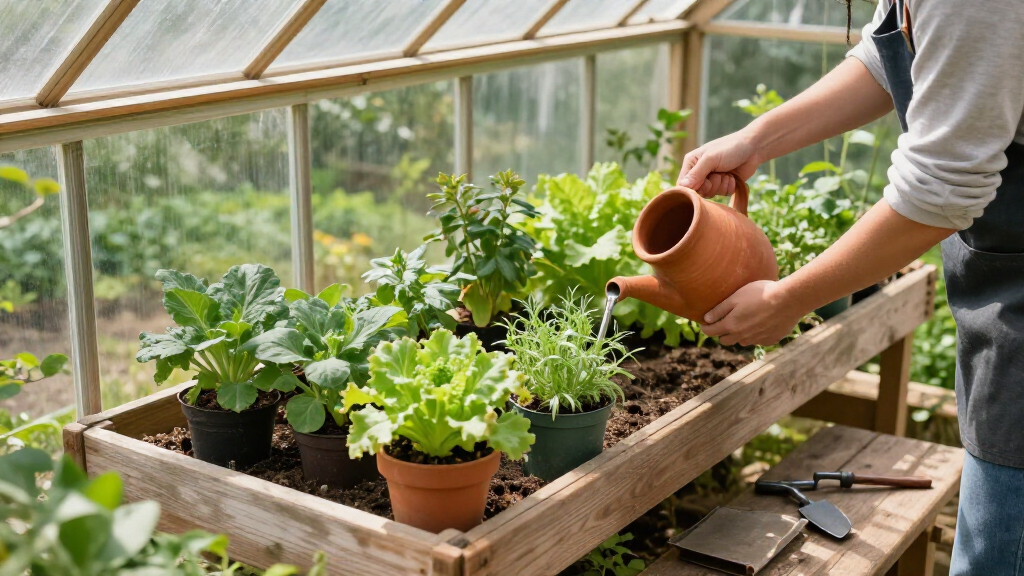
Our evaluation focused on how well each greenhouse upgrade minimizes waste and maximizes sustainability. We prioritized products that integrate renewable energy, promote reuse, and reduce reliance on non-renewable resources. Usability, durability, and scalability also played roles, with a preference for solutions that suit various skill levels and budgets. By comparing these factors, we ranked products that offer a meaningful balance of eco-friendliness and practical performance, making sure to highlight options suitable for different types of growers and spaces.| low waste greenhouse upgrade | Focus |
|---|---|
| The Greenhouse of the Future: | — |
| The Year-Round Solar Greenhous | — |
| Self-Sufficient Greenhouse for | — |
| How to Build an Eco-Friendly G | Eco-friendly construction |
| Greenhouse Gardening Guide: Bu | Renewable energy, water conservation |
| The Solar Garden Greenhouse: T | Solar-powered, carbon-neutral greenhouse design |
Factors to Consider When Choosing Low Waste Greenhouse Upgrade
Choosing a low waste greenhouse upgrade involves more than just selecting the most eco-friendly design. It’s important to consider how the greenhouse’s features align with your specific goals like energy efficiency, waste reduction, or budget constraints. Think about the climate in your area, your DIY skills, and long-term maintenance needs. Avoiding common mistakes, such as underestimating installation complexity or overemphasizing initial costs, can make your upgrade more successful and sustainable.Energy Efficiency and Renewable Sources
Opting for a greenhouse that incorporates solar, wind, or other renewable energy sources can significantly cut waste by reducing reliance on grid power and fossil fuels. Look for designs that maximize natural light and insulation to lower energy consumption. A common mistake is choosing a system that’s too complex or expensive for your needs; starting with modular or scalable solutions often provides better value and adaptability.
Material Sustainability and Reuse
Materials play a vital role in waste reduction. Recycled or biodegradable components can minimize landfill contributions, while reusing existing structures can cut down on waste. However, some eco-friendly materials may have higher initial costs or require more maintenance. Balancing durability with sustainability is key to avoiding frequent replacements that negate the environmental benefits.
Design for Longevity and Maintenance
A well-designed greenhouse that emphasizes durability reduces waste over time by minimizing replacements and repairs. Consider features that facilitate easy cleaning and maintenance, which extend lifespan and keep waste low. Poorly designed systems might require frequent upgrades or repairs, increasing environmental impact and costs in the long run.
Cost and Long-Term Savings
Higher upfront investments in sustainable technology often lead to lower operational waste and energy costs. However, budget constraints can tempt buyers to pick cheaper options that might not last or perform well environmentally. Finding a balance between initial expenditure and ongoing savings is essential to ensure your upgrade remains sustainable and financially viable.
Climate Compatibility and Space Constraints
Adapting your greenhouse to local climate conditions helps optimize energy use and reduce waste. For example, better insulation suits colder environments, while passive solar designs work well in sunnier areas. Additionally, the size and layout impact how eco-friendly features are implemented—smaller or modular greenhouses might prioritize simplicity over integrated high-tech solutions, affecting overall waste reduction goals.
Frequently Asked Questions
Can I upgrade my existing greenhouse to be more eco-friendly without starting from scratch?
Yes, many eco-friendly upgrades can be added to existing structures, such as installing solar panels, improving insulation, or replacing old materials with recycled options. These modifications often require less investment than building a new greenhouse and can significantly reduce waste and energy consumption over time. It’s important to assess your current setup to identify the most impactful improvements and ensure compatibility with new components.
What are the most cost-effective ways to reduce waste in a greenhouse?
Focusing on energy-efficient solutions like passive solar design, using recycled or biodegradable materials, and implementing water recycling systems can deliver substantial waste reductions without large upfront costs. Small changes, such as composting organic waste and reusing containers, also contribute significantly. Prioritizing these low-cost, high-impact measures can help you achieve sustainability goals within a reasonable budget.
How do I balance initial costs versus long-term environmental benefits?
Evaluating the lifetime savings from energy efficiency, reduced waste disposal, and material longevity is key. While some eco-friendly features may seem expensive initially, they often pay for themselves through lower utility bills, less maintenance, and waste disposal costs over time. Carefully analyzing your budget and future savings can guide you toward solutions that provide the best return on investment while supporting your sustainability aims.
Are DIY greenhouses truly sustainable and low waste?
DIY greenhouses can be highly sustainable if built with recycled or eco-friendly materials and designed for energy efficiency. However, poor planning or using non-sustainable components can lead to waste and higher environmental impact. Carefully researching sustainable building practices and materials, along with proper insulation and energy integrations, ensures your DIY project remains aligned with low waste principles.
What features should I look for in a low waste greenhouse upgrade for cold climates?
In colder regions, insulation, thermal mass, and passive solar design are essential to reduce energy waste. Features like double-glazed windows, reflective surfaces, and windbreaks help retain heat and minimize heating needs. Selecting materials suited for harsh weather conditions also extends the lifespan of your greenhouse, preventing frequent replacements and waste buildup.
Conclusion
For those seeking the best overall solution, the Greenhouse of the Future offers a balanced mix of technology and sustainability. Budget-conscious buyers will appreciate the Self-Sufficient Greenhouse for Small Spaces for its affordability and simplicity. If you’re after a premium, high-tech upgrade, the Solar Garden Greenhouse delivers advanced renewable integrations. Beginners should consider modular, easy-to-install options, while growers in colder climates need designs emphasizing insulation and thermal retention. Ultimately, your choice depends on your specific environmental goals and budget, but all options here promote reducing waste and boosting eco-friendliness in greenhouse gardening in 2026.
NFL season / tailgating Picks
team gear
As an affiliate, we earn on qualifying purchases.