TL;DR

Get garden gear delivered free — and shop member deals
- Fast, free delivery on millions of items
- Access to Prime Big Deal Days deals on October 6–7
- Prime Video, Amazon Music and more included
Online interest is spiking in a household tip that urges gardeners to keep old towels instead of discarding them, citing uses such as weed suppression, moisture retention and frost protection. Long-established gardening practice does support several fabric-reuse techniques, but the specific viral post and its claims are unverified.
A viral household-gardening tip urging people to reuse old towels in the garden rather than throw them away is generating a sharp spike in search interest this week, according to the topic’s circulation data. The post, framed as advice from a professional gardener, promotes towels as a free alternative to store-bought garden fabrics — but its author, origin, and specific claims have not been verified.
The trending item, surfacing under the headline ‘Don’t Throw Away Your Old Towels! My Husband Is A Pro Gardener, And He Always Saves Them For The Garden,’ belongs to a familiar genre of social-media reuse hacks in which an unnamed expert family member is cited as the source of authority. In this case, no named gardener, publication, or original post could be verified, and the claim that a professional gardener endorses the practice rests entirely on the post’s own framing.
What is well established, independently of the viral post, is that fabric reuse in gardens is a long-standing practice. Gardeners have for decades used burlap, landscape fabric, old blankets, and similar porous materials to suppress weeds, hold soil moisture, and shield plants from frost. Towels — being absorbent and breathable — can serve similar functions, according to widely available Cooperative Extension guidance on mulching and season-extension techniques.
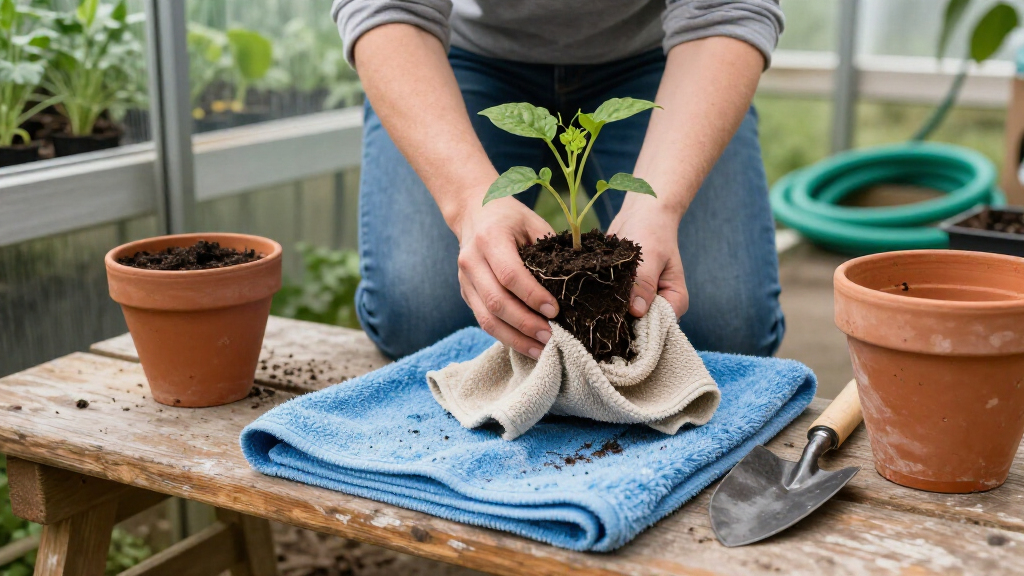
Reported uses for old towels in the garden typically include cutting them into strips for weed barriers under mulch, laying them at the base of plants to retain moisture during dry spells, draping them over seedlings as overnight frost protection, and using them as padding when transporting heavy pots or as wipe-down rags for tools and hands.
Why Towel Reuse Appeals Right Now
The trend reflects two overlapping pressures on home gardeners: rising costs of commercial garden supplies such as landscape fabric, frost blankets, and mulch, and growing interest in reducing household textile waste. A single discarded bath towel can substitute for several dollars’ worth of manufactured garden fabric, which is part of why reuse tips of this kind spread quickly in gardening communities during spring planning season.
The spike also illustrates how unverifiable ‘expert-relative’ framing — ‘my husband is a pro’ — functions as a credibility shortcut in viral content. Readers replicating the tip should rely on established horticultural guidance rather than the post’s unnamed authority.
A Brief History of Fabric in the Garden
: “Using textiles in gardens predates commercial garden products by generations. Burlap has long been wrapped around vulnerable shrubs in winter, and layered newspaper and cardboard became popular sheet-mulching materials in the late twentieth century. Commercial landscape fabric and spun-bonded row covers were later marketed for the same purposes.
Old towels sit within this tradition of improvised, low-cost substitutes. Gardening extensions generally note that any breathable, non-coated fabric can work for moisture retention or light frost protection, provided it is removed or dried out periodically to prevent mold and slug habitat.
“Don’t throw away your old towels! My husband is a pro gardener, and he always saves them for the garden.”
— The viral post itself
What the Post Doesn’t Prove
The trigger for the current spike is unconfirmed. It is not clear when or where the post originated, whether the referenced professional gardener exists, or whether the underlying photograph and advice were originally published elsewhere. No named expert, extension service, or horticultural organization has been tied to the circulating text.
Practical caveats also remain: dyed or chemically treated towels, and those with synthetic microfiber blends, may shed fibers into soil over time, and horticultural bodies have not issued specific guidance on towel reuse. Gardeners with children or pets should keep any fabric mulch pinned down and dry to avoid hazards.
How Gardeners Can Vet the Tip
Readers considering the technique can cross-check it against local Cooperative Extension or Royal Horticultural Society guidance on mulching and frost protection before applying it to food beds. If the post is later traced to a named gardener or outlet, this story can be updated with verified attribution. For now, the advice is best treated as a plausible reuse idea consistent with established practice — not as expert-endorsed instruction.
Key Questions
No. The claim appears only in the post’s own wording, and no named gardener or verifiable source has been identified.
Can old towels actually be used in gardens?
Yes, in ways consistent with long-established practice: as weed-suppressing barriers under mulch, moisture retainers, and improvised frost covers, provided they are breathable and kept dry between uses.
Are there risks to using towels in the garden?
Possible ones include fiber shedding from synthetic blends, mold if fabric stays wet, and slug habitat. Keep fabric pinned down and out of reach of children and pets.
Why is this trending now?
Interest typically rises in spring planning season amid cost and waste-reduction concerns, though the specific trigger for this spike is unconfirmed.
Source: rss
Fall yard work Picks
leaf blowers
As an affiliate, we earn on qualifying purchases.