
TL;DR

Get garden gear delivered free — and shop member deals
- Fast, free delivery on millions of items
- Access to Prime Big Deal Days deals on October 6–7
- Prime Video, Amazon Music and more included
Search interest in repurposing fallen acorns and pinecones is increasing as homeowners learn their potential uses. This trend suggests a shift from viewing these objects as waste to valuable resources, though details remain emerging.
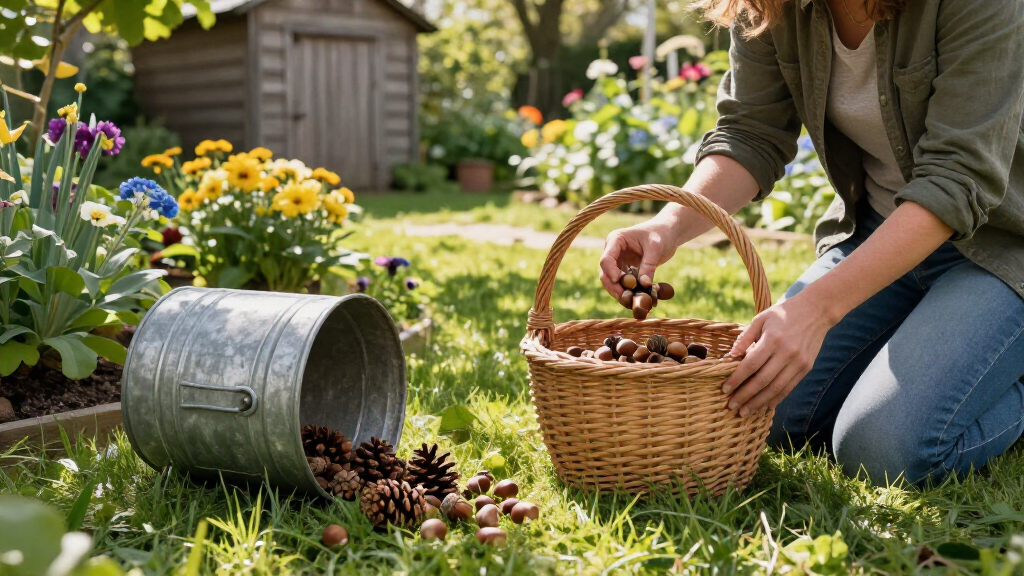
Recent online searches and social media discussions reveal a rising interest in repurposing fallen acorns and pinecones, with homeowners sharing how they are transforming what was once considered yard waste into useful items. This shift in attitude is notable because it reflects a broader trend toward sustainable and creative gardening practices, although the exact reasons for the spike remain unconfirmed.
According to recent trend signals, interest in repurposing acorns and pinecones has surged, with searches increasing notably over the past few weeks. Many homeowners report using these natural objects for crafts, composting, or as natural mulch, challenging the traditional view of these items as mere yard debris. Experts suggest that this shift may be driven by growing environmental awareness and a desire for cost-effective gardening solutions, though there is no official statement confirming this motivation.
While the trend is gaining traction online, specific claims about the benefits of using acorns and pinecones are mostly anecdotal. Some users highlight that pinecones can serve as natural fire starters or decorative elements, while acorns can be ground into mulch or used in wildlife feeders. However, the full scope of these uses and their effectiveness are still under discussion among gardening communities.
Environmental and Practical Benefits of Reusing Natural Yard Waste
This trend matters because it reflects a shift toward more sustainable gardening practices, reducing waste and promoting resourcefulness. By repurposing fallen acorns and pinecones, homeowners can decrease the amount of yard waste sent to landfills and explore cost-effective alternatives to commercial mulch or decorative materials. Additionally, these objects can support local ecosystems when used appropriately, such as providing food for wildlife or natural mulch for plants.
The growing interest also indicates a broader cultural move toward eco-consciousness, where individuals seek to minimize their environmental footprint through simple, everyday actions. If this trend continues, it could influence gardening and landscaping practices on a larger scale, encouraging more sustainable yard management.
As an affiliate, we earn on qualifying purchases.
Origins of the Interest in Yard Waste Repurposing
The trend appears to be driven by increased online activity, with social media posts and gardening forums highlighting creative uses for acorns and pinecones. Historically, these items have been viewed as yard waste, often removed and discarded during seasonal cleanups. However, recent years have seen a rise in DIY and eco-friendly gardening movements, which emphasize recycling and natural materials.
While the current spike in interest is recent, the idea of using natural materials in gardening is not new. What is new is the visibility and enthusiasm surrounding these specific objects, possibly fueled by environmental concerns and a desire for affordable, natural decor and gardening aids. The exact cause of the recent surge remains unconfirmed, with some experts suggesting it could be linked to broader trends in sustainable living.
Unconfirmed Reasons Behind the Growing Interest
It is not yet clear what precisely is driving the recent surge in interest. While environmental awareness and DIY culture are likely factors, there has been no official statement or research confirming these motivations. The trend may also be influenced by social media algorithms or seasonal factors, but these remain speculative at this stage.
Expected Developments in Yard Waste Reuse Trends
As interest continues to grow, experts expect more homeowners and gardening organizations to experiment with using acorns and pinecones in various ways. Future research or official endorsements could validate the benefits of these practices, potentially leading to broader adoption. Monitoring online discussions and gardening product sales may provide further insights into how this trend evolves.
Key Questions
Are acorns and pinecones safe to use in gardens?
Generally, yes. Pinecones are inert and can be used as mulch or decoration. Acorns can be used as wildlife feed or ground into mulch, but caution should be taken if there is a risk of mold or pests. Always ensure they are clean and free of contaminants before use.
Can using pinecones and acorns replace commercial garden products?
While they can supplement or replace some products, they are not a complete substitute for all commercial gardening supplies. They are best used as part of a sustainable, natural approach rather than a full replacement for fertilizers or soil amendments.
Is there any environmental concern with using acorns and pinecones?
In general, no. When used properly, they are natural and biodegradable. However, if collected in large quantities, it’s advisable to ensure their collection does not disturb local wildlife or ecosystems.
How can I start using acorns and pinecones in my garden?
Begin by collecting fallen acorns and pinecones from your yard or local area. Clean them thoroughly, then experiment with using them as mulch, decorative elements, or wildlife feeders. Online tutorials and gardening forums can provide ideas and tips.
Source: rss
Fall yard work Picks
leaf blowers
As an affiliate, we earn on qualifying purchases.