TL;DR

Get garden gear delivered free with Prime
- Fast, free delivery on millions of items
- Prime Video, Amazon Music and more included
- Member-only deals all year
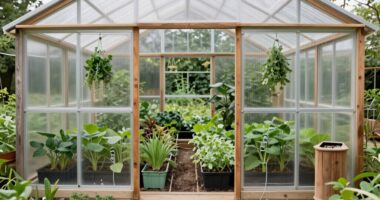
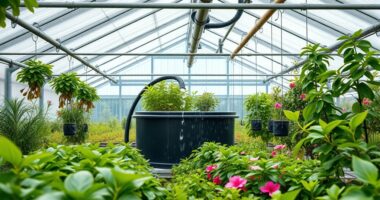
Smart water management technology is rapidly changing home gardening by providing efficient, data-driven irrigation solutions. Growing interest is driven by environmental concerns and technological advances, though full adoption and long-term impacts remain uncertain.
Smart water management systems are increasingly being adopted by home gardeners, transforming traditional irrigation practices into data-driven, efficient processes. This shift is driven by rising environmental awareness and advances in IoT technology, with consumer interest spiking amid broader trends toward sustainable living.
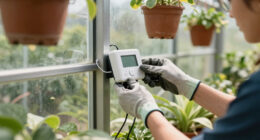
Recent observations suggest that demand for smart irrigation devices—such as soil moisture sensors, automated watering systems, and weather-adaptive controllers—is growing rapidly. Industry reports indicate a surge in online searches and sales, although specific product launches or major policy shifts have not yet been officially announced. Experts note that these technologies enable gardeners to optimize water use, reduce waste, and improve plant health by tailoring watering schedules based on real-time data.
While some companies have introduced new smart watering products, the market remains fragmented, with varied levels of adoption among different regions and consumer segments. The trend is supported by increased awareness of water scarcity issues and the availability of more affordable, user-friendly devices. However, it is still unclear how widespread the adoption will become or how long-term impacts on water conservation will materialize.
Impacts of Smart Water Tech on Sustainable Gardening
This emerging trend could significantly improve water efficiency in home gardening, helping reduce household water consumption and supporting broader environmental goals. For individual gardeners, these systems offer convenience and better plant health, potentially lowering maintenance efforts. On a larger scale, widespread adoption could contribute to water conservation efforts in urban and rural areas, especially in regions facing droughts or water shortages.
However, the impact depends on factors such as affordability, ease of use, and consumer awareness. Policymakers and industry stakeholders are watching how these technologies evolve, as they may influence future regulations and market standards for sustainable gardening practices.
As an affiliate, we earn on qualifying purchases.
Growing Interest in Water-Efficient Gardening Technologies
The interest in smart water management in gardening aligns with broader environmental and technological trends. Over recent years, there has been a notable increase in consumer searches related to sustainable gardening, water conservation, and IoT-enabled home solutions. This interest has been amplified by heightened awareness of climate change impacts, drought conditions, and resource scarcity.
While the trend is evident in consumer behavior and media coverage, concrete developments such as new product launches or policy initiatives remain unconfirmed. Industry analysts suggest that the trend signals a shift toward smarter, more sustainable home gardening practices, but widespread adoption is still in early stages.
Unconfirmed Product Launches and Policy Changes
While interest and coverage are rising, specific product launches, company initiatives, or government policies related to smart water management in gardening have not been officially announced. It remains unclear how quickly these technologies will be adopted on a wide scale or what long-term impacts they will have on water conservation efforts.
Experts caution that the trend is still emerging, and more data is needed to assess its full potential and challenges.
Monitoring Adoption and Policy Developments in 2024
Industry analysts and environmental groups will likely track how consumer adoption of smart water systems evolves over the coming months. Expect potential new product launches, increased media coverage, and possibly policy discussions aimed at promoting sustainable gardening practices. Researchers will also examine the actual water savings achieved through these technologies to determine their long-term effectiveness.
Key Questions
What are smart water management systems for gardening?
They are IoT-enabled devices and software that monitor soil moisture, weather conditions, and plant needs to automate and optimize watering schedules, reducing waste and improving plant health.
Are these systems affordable for average homeowners?
Prices vary widely, but many new products are becoming more affordable and user-friendly, making them accessible to a broad range of consumers.
Will smart water systems significantly reduce water use?
Preliminary data suggests they can improve water efficiency, but the extent of savings depends on factors like system design, user behavior, and regional climate conditions.
Are there any government incentives for adopting smart water tech?
As of now, no widespread policies are confirmed, but some regions offer rebates or incentives for water-saving devices, which may include smart irrigation systems in the future.
What are the main challenges to widespread adoption?
Challenges include cost, lack of consumer awareness, compatibility with existing systems, and uncertainties about long-term benefits and maintenance needs.
Source: rss
Fall yard work Picks
leaf blowers
As an affiliate, we earn on qualifying purchases.