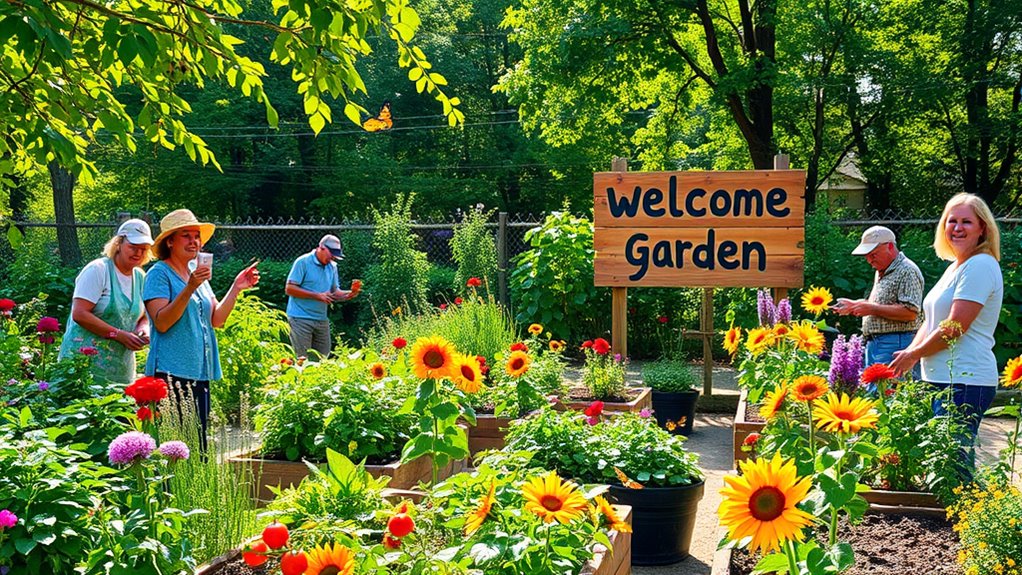

Community gardens provide a vital space for urban residents and local enthusiasts to grow their own food, foster community ties, and beautify neighborhoods. The best options balance accessibility, size, and support while addressing common challenges like maintenance and land access. The Start a Community Food Garden stands out for its comprehensive guidance for newcomers, while The Urban Garden excels in transforming idle land into thriving green spaces. However, tradeoffs include limited scalability or the need for significant coordination. Continue reading for a detailed comparison that helps you find the community garden that fits your needs.

Get garden gear delivered free with Prime
- Fast, free delivery on millions of items
- Prime Video, Amazon Music and more included
- Member-only deals all year
Complete the kit


Key Takeaways
- The top picks balance ease of access with sustainable design, making them suitable for a wide range of community members.
- Size and land availability are often the defining factors—smaller gardens work well in tight urban spaces, while larger ones support more activities.
- Clear guidance and organizational support differentiate comprehensive handbooks from more general stories or case studies.
- Successful community gardens often require strong local leadership and volunteer engagement, not just land and plants.
- Tradeoffs between scale and manageability are central—bigger gardens can serve larger communities but need more resources.
| Start a Community Food Garden: The Essential Handbook |  | Best Practical Guide for Community Garden Planning | Target Audience: Community organizers, gardening enthusiasts | Content Focus: Planning, planting, managing | Format: Printed handbook | VIEW ON AMAZON | See Our Full Breakdown |
| The Community Gardening Handbook: The Guide to Organizing, Planting, and Caring for a Community Garden |  | Most Comprehensive Guide for Community Gardening | Target Audience: Community organizers, local councils | Content Focus: Organization, sustainability, beautification | Format: Printed guide | VIEW ON AMAZON | See Our Full Breakdown |
| Miguel’s Community Garden (Where In the Garden?) | 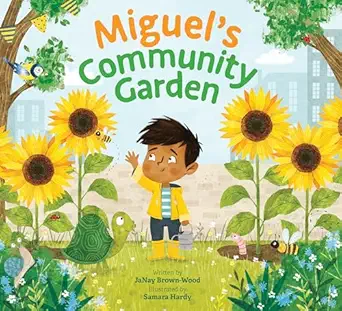 | Best Educational Game for Children’s Engagement | Target Audience: Children, educators, parents | Content Type: Educational game | Platform: Digital/board game | VIEW ON AMAZON | See Our Full Breakdown |
| Green Green: A Community Gardening Story |  | Best for Inspiration and Community Values | Target Audience: Educational institutions, community groups, libraries | Content Focus: Urban agriculture, teamwork, community values | Format: Storybook | VIEW ON AMAZON | See Our Full Breakdown |
| Our Community Garden |  | Best Practical Tips for Shared Garden Success | Target Audience: Existing community gardeners, local groups | Content Focus: Garden maintenance, community participation | Format: Printed book | VIEW ON AMAZON | See Our Full Breakdown |
| The Urban Garden: How One Community Turned Idle Land into a Garden City and How You Can, Too |  | Best Inspirational Story and Practical Approach | Author: Katherine Z. Smith | Publication Year: 2022 | Pages: 192 | VIEW ON AMAZON | See Our Full Breakdown |
| community garden | Target Audience | Format | Content Focus | Additional Features |
|---|---|---|---|---|
| Start a Community Food Garden: | Community organizers, gardening enthusiasts | Printed handbook | Planning, planting, managing | Step-by-step instructions, sustainability tips |
| The Community Gardening Handbo | Community organizers, local councils | Printed guide | Organization, sustainability, beautification | Community engagement tips |
| Miguel’s Community Garden | Children, educators, parents | — | — | — |
| Green Green: A Community Garde | Educational institutions, community groups, libraries | Storybook | Urban agriculture, teamwork, community values | — |
| Our Community Garden | Existing community gardeners, local groups | Printed book | Garden maintenance, community participation | Practical tips for sustainability |
| The Urban Garden: How One Comm | — | Paperback | — | — |
More Details on Our Top Picks
Start a Community Food Garden: The Essential Handbook
This handbook stands out for its detailed, step-by-step instructions tailored for community organizers seeking to establish a sustainable food garden. Compared with Our Community Garden, which offers broad insights, this guide dives deeper into the planning and management processes, making it ideal for those who want a hands-on approach. However, it’s less useful for beginners without gardening experience, given the absence of visual aids or plant variety details. The practical tips for sustainability ensure the garden can thrive long-term, but the lack of illustrations means some steps might be harder to visualize. This is best suited for community leaders or groups committed to food production who prefer comprehensive instructions over decorative or storytelling content.
Pros:- Provides detailed, step-by-step guidance for garden setup and maintenance
- Includes practical tips for sustainability and long-term success
- Ideal for community groups wanting a structured approach
Cons:- Lacks illustrations or diagrams to aid understanding
- No specific plant varieties or design ideas included
Best for: Community organizers or groups focused on establishing a productive, sustainable vegetable garden
Not ideal for: Individuals seeking quick, visual guidance or decorative garden inspiration, as it lacks diagrams and plant-specific info
- Target Audience:Community organizers, gardening enthusiasts
- Content Focus:Planning, planting, managing
- Format:Printed handbook
- Additional Features:Step-by-step instructions, sustainability tips
Our verdict“This handbook is perfect for community groups wanting a thorough, practical blueprint for food garden development.”
The Community Gardening Handbook: The Guide to Organizing, Planting, and Caring for a Community Garden
This guide makes the most sense for groups or individuals new to community gardening who want broad, practical advice on organizing and maintaining shared spaces. Unlike Green Green, which is more narrative-driven, this handbook offers concrete tips for planning and planting, though it doesn’t include detailed step-by-step instructions or specific product recommendations. Its emphasis on sustainable living and beautification makes it suitable for public space projects, but the lack of technical details may leave some users wanting more practical guidance. This is best for community groups interested in the conceptual and organizational aspects of gardening, rather than technical horticulture.
Pros:- Provides practical advice on organizing and maintaining a community garden
- Emphasizes sustainability and beautification
- Useful for public space projects and community engagement
Cons:- Limited specific instructions or step-by-step guides
- No detailed product or plant variety recommendations
Best for: Community groups or local councils aiming to create or revitalize shared public gardens
Not ideal for: Gardening novices seeking detailed planting instructions or DIY gardeners looking for visual guides
- Target Audience:Community organizers, local councils
- Content Focus:Organization, sustainability, beautification
- Format:Printed guide
- Additional Features:Community engagement tips
Our verdict“This handbook suits civic groups or community leaders wanting a broad overview of organizing sustainable, beautified public gardens.”
Miguel’s Community Garden (Where In the Garden?)
Compared with the more instructive books, Miguel’s Community Garden offers a playful approach to learning about plants and gardening through interactive gameplay. It’s especially effective for encouraging outdoor activity and environmental awareness among children, making it perfect for families or schools integrating community gardens into educational settings. However, it provides limited information about actual gardening techniques or plant care, which might frustrate adults looking for practical guidance. The game’s strength lies in fostering curiosity and outdoor exploration rather than technical mastery. This pick makes the most sense for educators or parents seeking a fun, interactive way to introduce kids to gardening concepts.
Pros:- Engages children with interactive gameplay
- Promotes outdoor activity and environmental learning
- Educational and entertaining for young audiences
Cons:- Limited information on actual gardening techniques
- No detailed gameplay features or specifications provided
Best for: Schools, parents, or youth programs wanting to promote outdoor activity and environmental awareness
Not ideal for: Adults or seasoned gardeners seeking detailed planting instructions or technical gardening tips
- Target Audience:Children, educators, parents
- Content Type:Educational game
- Platform:Digital/board game
- Educational Focus:Plants, outdoor activity, environmental awareness
Our verdict“This educational game is ideal for engaging children in gardening concepts through fun, interactive play.”
Green Green: A Community Gardening Story
While Green Green excels at storytelling that highlights urban agriculture and teamwork, it falls short for those seeking practical gardening advice or detailed technical information—unlike Start a Community Food Garden. Its strength lies in inspiring community involvement and fostering a sense of shared purpose, making it an excellent choice for schools or community groups looking to motivate members through narrative. However, readers wanting step-by-step guidance or specific design ideas will find this book lacking. The story’s warmth and community message make it a compelling read, but it’s less useful for hands-on gardening planning. This story makes the most sense for organizations aiming to build community spirit and environmental awareness through inspiring narratives.
Pros:- Promotes community involvement and teamwork
- Educational and inspiring storytelling
- Suitable for all ages
Cons:- Lacks detailed technical or practical gardening tips
- Limited to storytelling without instructional content
Best for: Schools, community groups, or libraries seeking inspiring stories about urban gardening and teamwork
Not ideal for: Individuals seeking practical gardening instructions or technical details for hands-on projects
- Target Audience:Educational institutions, community groups, libraries
- Content Focus:Urban agriculture, teamwork, community values
- Format:Storybook
- Educational Focus:Inspiration, community building
Our verdict“This narrative-driven book is perfect for inspiring community pride and environmental awareness, not for technical gardening guidance.”
Our Community Garden
Compared with Start a Community Food Garden, which offers comprehensive planning guidance, Our Community Garden emphasizes practical tips for ongoing maintenance and community participation. It’s a straightforward resource for those who already have a garden established or are close to starting one and want to focus on sustaining it. Since it doesn’t detail specific tools or step-by-step procedures, some users might find it less comprehensive than the handbook. Nonetheless, its focus on shared efforts and sustainable practices makes it valuable for local groups committed to long-term garden success. This book makes the most sense for active community gardeners seeking ongoing advice rather than initial planning instructions.
Pros:- Provides practical, actionable tips for garden maintenance
- Focuses on community involvement and sustainability
- Easy to read and implement for ongoing garden care
Cons:- Limited detailed content for initial garden setup
- No specific tools or detailed design features mentioned
Best for: Existing community gardeners or groups looking to improve and sustain their shared garden efforts
Not ideal for: Beginners or those in the early planning stages of establishing a community garden, due to limited foundational guidance
- Target Audience:Existing community gardeners, local groups
- Content Focus:Garden maintenance, community participation
- Format:Printed book
- Additional Features:Practical tips for sustainability
Our verdict“This guide is best for active community gardeners seeking reliable advice for maintaining and enhancing their shared space.”
The Urban Garden: How One Community Turned Idle Land into a Garden City and How You Can, Too
This book stands out for its compelling story of a community transforming vacant land into a vibrant urban garden, making it an excellent source of motivation for those interested in community-led projects. Unlike more technical guides like The Community Gardening Handbook, it focuses on community engagement and strategic planning rather than step-by-step instructions. While rich in inspiration, it lacks detailed how-to advice and specific project examples, which could leave hands-on organizers wanting more practical guidance. Nevertheless, its emphasis on community collaboration offers valuable lessons for neighborhoods aiming to create green spaces without extensive resources.
Compared with other resources, this book excels at inspiring social initiatives but falls short on technical details. It’s best suited for community leaders or activists who need motivation and broad strategies rather than detailed gardening techniques.
Pros:- Provides inspiring success stories of urban transformation
- Offers practical strategies for engaging communities in green projects
- Focuses on the social and organizational aspects of community gardening
- Encourages innovative thinking around unused urban spaces
Cons:- Lacks detailed, step-by-step instructions for implementing projects
- No specific case studies or project examples included
- Limited technical guidance for actual planting or garden maintenance
Best for: Community organizers and neighborhood leaders seeking inspiration and strategic insight for urban greening projects
Not ideal for: Individuals looking for detailed planting instructions or step-by-step project guides, as it focuses more on community mobilization than technical execution
- Author:Katherine Z. Smith
- Publication Year:2022
- Pages:192
- Format:Paperback
- Subject:Urban community gardening
- Language:English
Our verdict“This book makes sense for community leaders and activists who need motivation and strategic ideas rather than detailed gardening techniques.”
How We Picked
To evaluate these community gardens, I focused on criteria that matter most to both organizers and participants: accessibility for new gardeners, ease of maintenance, organizational support, land use efficiency, and community impact. I compared the depth of guidance offered, the practicality of implementation, and how well each option addresses common challenges like land access and volunteer management. Rankings reflect a balance of comprehensive support, scalability, and relevance to different community sizes and urban settings, ensuring each pick serves a specific role within the community gardening landscape.| community garden | Target Audience | Content Focus | Format | Additional Features |
|---|---|---|---|---|
| Start a Community Food Garden: | Community organizers, gardening enthusiasts | Planning, planting, managing | Printed handbook | Step-by-step instructions, sustainability tips |
| The Community Gardening Handbo | Community organizers, local councils | Organization, sustainability, beautification | Printed guide | Community engagement tips |
| Miguel’s Community Garden | Children, educators, parents | — | — | — |
| Green Green: A Community Garde | Educational institutions, community groups, libraries | Urban agriculture, teamwork, community values | Storybook | — |
| Our Community Garden | Existing community gardeners, local groups | Garden maintenance, community participation | Printed book | Practical tips for sustainability |
| The Urban Garden: How One Comm | — | — | Paperback | — |
Factors to Consider When Choosing Community Gardens
Choosing the right community garden depends on several factors that influence both short-term success and long-term sustainability. Understanding these key considerations helps ensure your investment of time and resources leads to a thriving, enjoyable space. From land access to organizational support, each factor plays a role in how well the garden will serve your community’s needs.Land Access and Size
Assess whether the available land suits your community’s goals. Smaller plots may be easier to manage and more accessible for beginners, while larger spaces can support more diverse activities and larger harvests. Consider the land’s location, ownership status, and ease of access, as these will significantly impact usage and maintenance. Be aware that securing land can involve negotiations or land trusts, which might add complexity or cost.
Organizational Support and Resources
Effective community gardens often rely on strong leadership, clear guidelines, and access to educational resources. Look for gardens or handbooks that provide detailed planning, planting, and maintenance advice. Support structures like volunteer coordination, funding opportunities, and community events enhance sustainability. Avoid gardens with minimal organizational backing, as these tend to struggle with upkeep and participant engagement over time.
Accessibility for All
Consider whether the garden design accommodates diverse participants, including those with mobility challenges or limited gardening experience. Features like raised beds, accessible pathways, and easy-to-follow layouts promote inclusivity. Gardens that overlook these aspects risk becoming exclusive or underutilized, especially in communities with diverse populations. Making accessibility a priority encourages broader community involvement.
Maintenance and Sustainability
Long-term success depends on sustainable practices and manageable upkeep. Gardens with clear maintenance plans, water access, and pest management strategies are more likely to thrive. Be cautious of overly ambitious projects that require extensive resources or volunteer effort beyond what your community can sustain. The most effective community gardens balance ambition with practicality, ensuring ongoing care and growth.
Community Engagement and Support
Engaged communities are the backbone of successful gardens. Look for options that foster social interaction through workshops, events, or shared responsibilities. Strong local support can buffer against neglect and help secure funding or land access over time. Gardens that actively promote community participation tend to be more resilient and dynamic, making them more rewarding for everyone involved.
Frequently Asked Questions
How do I find land suitable for a community garden?
Locating land for a community garden involves exploring options such as vacant lots, park land, or private properties willing to lease or donate space. Contact local government agencies, land trusts, or property owners to assess availability and permission. Many cities also have programs specifically supporting urban agriculture, which can simplify land access. Choosing land with easy access, good sunlight, and proximity to residents increases participation and success.
What should I look for in a community garden handbook?
A good handbook provides step-by-step guidance on planning, planting, and maintaining the garden, along with tips for organizing volunteers and managing resources. It should include practical advice tailored to your climate and community size, along with troubleshooting common issues. Avoid overly generic guides that lack specific strategies for community engagement or land management, as these can leave you unprepared for real challenges.
Can a community garden work in a small urban space?
Absolutely, small urban spaces can be transformed into productive gardens with thoughtful design. Features like raised beds, vertical gardening, and container planting maximize limited space. Smaller gardens tend to be easier to maintain and more accessible for beginners, but they may support fewer participants or crops. The key is focusing on efficient use of space and community involvement to keep the garden vibrant and sustainable.
How do I ensure ongoing volunteer participation?
Building a strong sense of community and shared ownership encourages ongoing volunteer involvement. Regular events, educational workshops, and visible signs of progress foster engagement. Recognizing volunteers’ efforts and providing leadership opportunities also help maintain enthusiasm. A well-organized garden with clear roles and responsibilities makes it easier to keep volunteers committed over time.
What are common mistakes when starting a community garden?
Common pitfalls include underestimating the resources needed for maintenance, neglecting accessibility features, or choosing land without proper permissions. Overambitious plans without sustainable management strategies can lead to burnout or abandonment. Failing to involve the community early in the planning process often results in low participation. Addressing these issues upfront improves the chances of long-term success.
Conclusion
For those seeking a comprehensive guide and strong organizational support, Start a Community Food Garden makes the best overall choice. If budget is a concern, the Community Gardening Handbook offers excellent value with practical advice. Urban dwellers or groups looking to convert idle land should consider The Urban Garden for its focus on transforming space. Beginners will benefit from gardens with clear layouts and inclusive features, while experienced organizers may prioritize larger, scalable options. Ultimately, your choice depends on your community size, resources, and goals—use this guide to match your needs with the perfect community garden approach.
Fall yard work Picks
leaf blowers
As an affiliate, we earn on qualifying purchases.