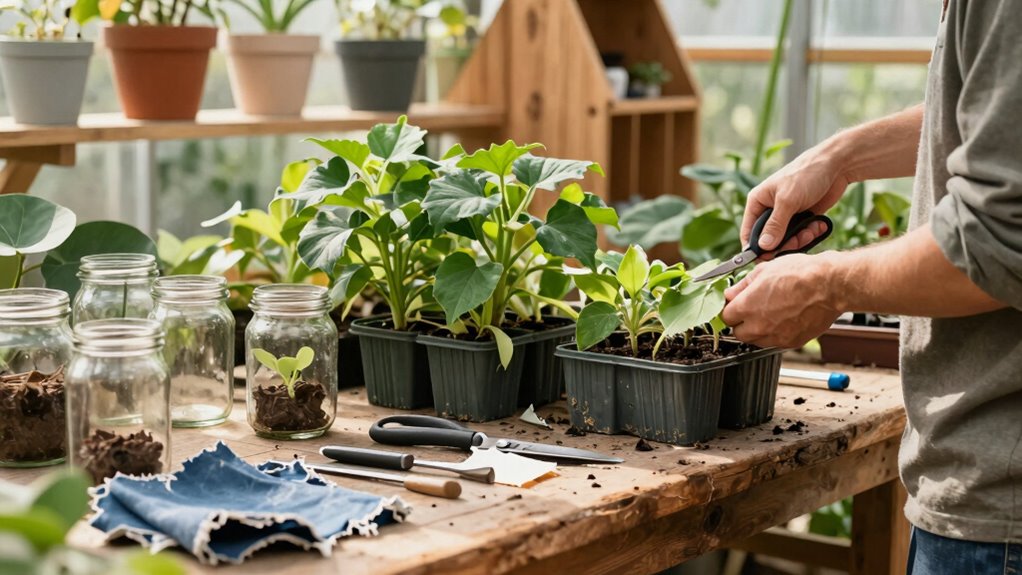

To build better greenhouse habits around reuse and repair, start by routinely inspecting your equipment and identifying items that need fixing or can be repurposed. Emphasize repairing over replacing, and use recycled materials like pots, trays, and barriers whenever possible. Keep a schedule for maintenance and pest prevention, and practice composting and water recycling. Consistently practicing these habits not only saves resources but also boosts sustainability—if you keep going, you’ll discover more ways to enhance your green practices.

Get garden gear delivered free with Prime
- Fast, free delivery on millions of items
- Prime Video, Amazon Music and more included
- Member-only deals all year
Key Takeaways
- Establish a routine schedule for inspecting and repairing equipment to prevent issues before they escalate.
- Prioritize repairing and refurbishing existing tools and materials instead of replacing them.
- Incorporate reuse practices, such as repurposing containers and organic waste for soil enrichment.
- Educate staff on sustainable maintenance and pest prevention techniques to foster a conservation mindset.
- Track and document repairs and reuse efforts to encourage consistent sustainable habits.
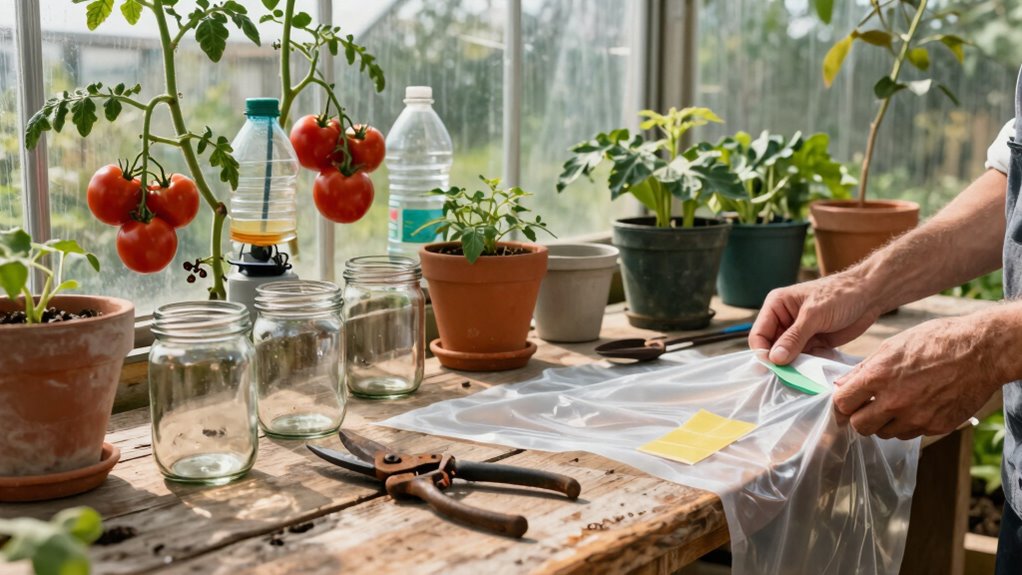
Creating sustainable habits in your greenhouse can markedly boost plant health and productivity. One of the most effective ways to do this is by focusing on reuse and repair. When you prioritize these practices, you minimize waste and create a more resilient environment for your plants. Reusing materials like pots, trays, and even greenhouse coverings helps cut costs and reduces the need for constant purchasing. It’s important to routinely inspect your equipment and structures, repairing any damage promptly to prevent small issues from escalating. This proactive approach keeps your greenhouse running smoothly and extends the lifespan of your tools and infrastructure.
Prioritize reuse and timely repairs to boost greenhouse resilience and extend equipment lifespan.
Incorporating reuse into your routine also supports soil enrichment, which is essential for healthy plant growth. When you reuse organic materials like compost, mulch, or plant debris, you improve soil structure and fertility. Composting plant waste and kitchen scraps adds critical nutrients back into the soil, promoting vigorous growth and preventing nutrient deficiencies. Reusing water where possible, such as collecting rainwater or recycling runoff, helps conserve resources and maintains consistent moisture levels in your soil. These practices foster a robust soil ecosystem, reducing the need for chemical fertilizers and enhancing overall plant health. Additionally, understanding the importance of biodiversity in your greenhouse can further strengthen resilience against pests and diseases, as a diverse ecosystem naturally supports pest control and pollination.
Pest prevention plays an indispensable role in building better greenhouse habits around reuse and repair. Regularly repairing damaged screens, sealing leaks, and maintaining proper ventilation prevent pests from entering your greenhouse and establishing colonies. You can also reuse physical barriers like row covers or sticky traps, replacing or repairing them as needed, to keep pests at bay. Being diligent about sanitation—removing old plant material and cleaning tools—further discourages pest infestations. Incorporating monitoring practices allows you to detect early signs of pest activity and respond promptly, minimizing damage. Practicing pest identification can help you distinguish between harmful pests and beneficial insects, reducing unnecessary interventions. Establishing a routine of pest management can significantly decrease the need for chemical controls and support a balanced ecosystem within your greenhouse. Developing a maintenance schedule helps ensure that routine repairs and inspections are consistently performed, preventing issues from becoming major problems. By integrating these preventative measures into your routine, you reduce reliance on chemical pest controls, which can harm beneficial insects and compromise soil health.
Additionally, adopting a habit of repairing rather than discarding equipment supports a healthier environment for your greenhouse ecosystem. When tools or containers break, fixing them instead of replacing them saves resources and prevents unnecessary waste. This mindset encourages you to look for sustainable solutions, such as patching damaged irrigation lines or refurbishing old shelving units. Over time, these habits not only save money but also foster a mindset centered on sustainability and conservation.
As an affiliate, we earn on qualifying purchases.
Frequently Asked Questions
How Can I Identify Which Items Are Worth Repairing or Reusing?
To identify which items are worth repairing or reusing, start with repairs prioritization by evaluating the item’s overall condition, age, and repair costs. Conduct a reuse assessment by considering its potential for continued use or repurposing. If the item is structurally sound, easy to fix, and has sentimental or functional value, it’s worth repairing or reusing. Otherwise, recycling or disposal might be a better choice.
What Are Eco-Friendly Materials for Greenhouse Repairs?
Did you know that using recycled materials can cut construction waste by up to 90%? For greenhouse repairs, opt for eco-friendly materials like recycled plastics, reclaimed wood, and sustainable alternatives such as bamboo or cork. These options reduce environmental impact and promote longevity. Incorporating recycled materials not only supports reuse but also helps you create a greener, more sustainable greenhouse environment.
How Do I Reduce Waste During Greenhouse Maintenance?
To reduce waste during greenhouse maintenance, you should practice composite composting for plant debris and organic waste, turning it into nutrient-rich soil. Use sustainable watering methods like drip irrigation to minimize excess water runoff and waste. Reuse materials whenever possible, repair tools instead of replacing them, and avoid single-use plastics. These practices help lessen waste, promote sustainability, and keep your greenhouse eco-friendly.
Are There Specific Tools That Help With Reuse and Repair?
Yes, several tools can assist with reuse and repair in your greenhouse. For repurposing containers, use a good pair of scissors, paint, and sealant to transform old pots or bottles. To repair irrigation, invest in a quality pipe cutter, wrench, and leak repair kits. These tools make it easier to extend the life of your materials, reduce waste, and promote sustainable practices.
How Can I Encourage Others to Adopt Sustainable Greenhouse Habits?
You can encourage others to adopt sustainable greenhouse habits by fostering community engagement and offering educational programs. Share your own experiences and benefits of reuse and repair, inspiring others to join you. Organize workshops or events that teach practical skills, making sustainability approachable and fun. When people see the positive impact and feel involved, they’ll be more motivated to embrace eco-friendly practices in their own greenhouse routines.
Conclusion
By adopting habits centered on reuse and repair, you not only reduce waste but also empower yourself to make more sustainable choices. Did you know that nearly 80% of clothing waste ends up in landfills, yet many items can be easily repaired or repurposed? Small changes in your daily routines can profoundly impact the environment. Start today—embrace reuse, repair, and mindful consumption to build a greener, more sustainable future for yourself and future generations.
Halloween Picks
halloween
As an affiliate, we earn on qualifying purchases.