Solar fans make sense in your backyard greenhouse because they provide an eco-friendly, cost-effective way to regulate temperature and humidity without relying on grid electricity. They improve airflow, reduce pests, and limit disease risks, keeping your plants healthy. With built-in batteries, they work even on cloudy days or winter. If you want to discover how solar fans can boost your greenhouse’s climate control while lowering costs, keep exploring this solution.

Get garden gear delivered free with Prime
- Fast, free delivery on millions of items
- Prime Video, Amazon Music and more included
- Member-only deals all year
Key Takeaways
- Solar fans provide eco-friendly, renewable ventilation, reducing energy costs and carbon footprint in backyard greenhouses.
- They ensure continuous airflow and climate regulation even during cloudy days or winter, thanks to built-in energy storage.
- Proper airflow controls humidity, minimizes disease risk, and improves plant health, creating optimal growing conditions.
- Easy installation and low maintenance make solar fans a practical, sustainable solution for backyard greenhouse climate control.
- They help manage pests and prevent mold by dispersing stagnant, humid air, promoting healthier plant growth.
As an affiliate, we earn on qualifying purchases.
Understanding Climate Control Challenges in Your Greenhouse
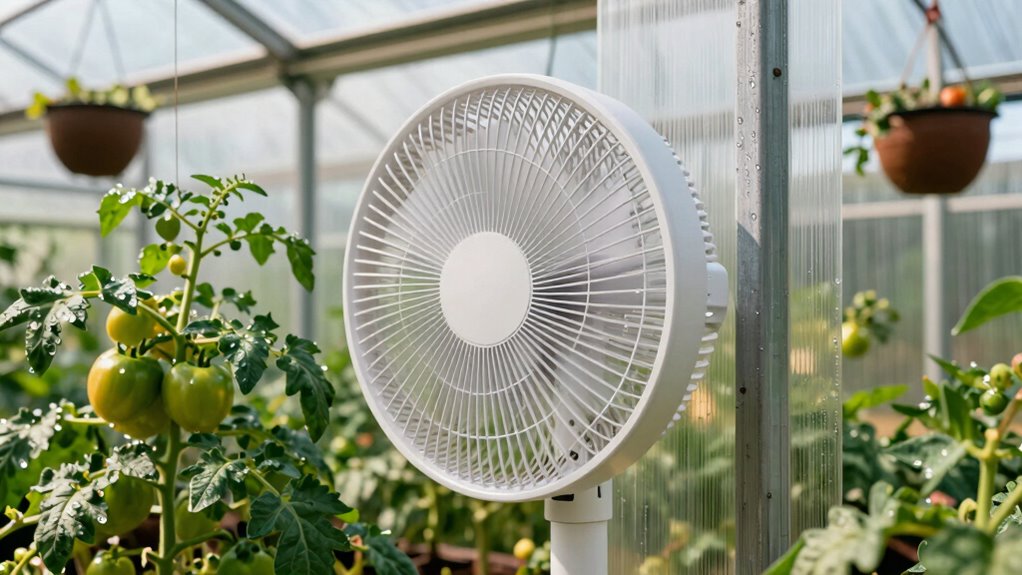
Managing the climate inside your greenhouse can be challenging because fluctuations in temperature and humidity directly impact plant health. Proper humidity control is essential to prevent mold, mildew, and other diseases that thrive in overly humid environments. If humidity gets too high, pests like aphids and whiteflies also find it easier to reproduce, making pest prevention even more difficult. Conversely, low humidity can cause plants to dry out and become stressed, reducing growth and yields. You need a reliable way to regulate moisture levels consistently. Without effective climate control, your plants are vulnerable to diseases and pests that can damage your crop. Incorporating microplastics in dust awareness can help you understand potential indoor air quality issues that might affect both plants and your environment. Ensuring stable conditions not only keeps your plants healthy but also minimizes the risk of pest infestations and disease outbreaks. Recognizing the influence of humidity levels is crucial in maintaining an optimal environment for plant growth, especially when managing indoor spaces or greenhouses. Additionally, understanding the role of contrast ratio can help you select lighting that supports healthy photosynthesis and plant growth, preventing issues related to inadequate or excessive light. Being aware of air quality factors, such as dust particles and pollutants, can further improve your greenhouse’s overall health. Incorporating Indonesian decor masks in your space can also create a calming atmosphere that supports overall plant well-being.
Why Solar Fans Are a Sustainable Solution for Your Greenhouse
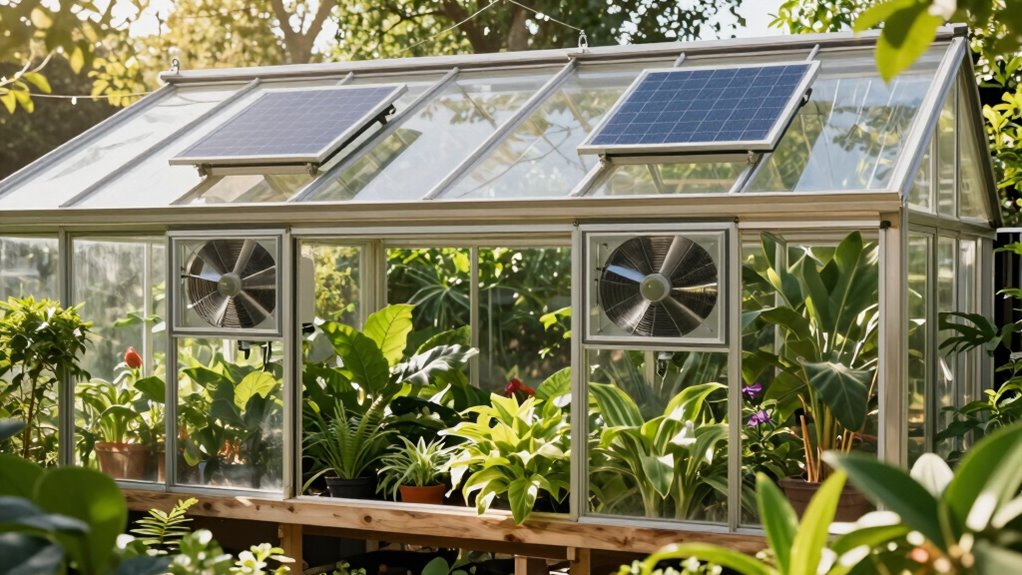
Solar fans offer a sustainable way to improve airflow and temperature regulation in your greenhouse without relying on electricity from the grid. Historically, greenhouses used manual methods or inefficient systems, but market trends now favor renewable solutions like solar fans. These fans reduce your carbon footprint and lower energy costs while maintaining a perfect environment for plants. As the demand for eco-friendly gardening grows, solar fans align with sustainable practices and technological advancements. They’re becoming more affordable and efficient, making them a practical choice. Incorporating product roundups of innovative greenhouse equipment can help you find the best options for your needs. Additionally, advancements in multi-unit setups can enhance the effectiveness of solar fans in larger greenhouse environments, especially as renewable energy solutions continue to evolve. Embracing these technologies can also contribute to work-life harmony by streamlining greenhouse management and reducing manual labor. Furthermore, understanding the environmental benefits of solar fans can motivate more sustainable gardening practices.
How Do Solar Fans Work Without Sunlight?

Even when the sun isn’t shining, solar fans can still operate effectively thanks to built-in energy storage systems. These systems charge a small battery during sunny periods, storing excess energy for use during cloudy days or winter seasons. When sunlight is limited, the stored energy powers the fan, maintaining airflow without direct sunlight. This setup guarantees continuous ventilation, regardless of weather conditions. Additionally, document safety practices can help protect the stored energy and ensure reliable operation over time. Incorporating battery management strategies can further extend the lifespan of the energy storage, ensuring consistent performance. Properly maintained batteries and storage capacity considerations are essential for maximizing efficiency and longevity. Using energy-efficient components can also enhance overall performance and reduce energy consumption. Understanding the energy storage mechanisms involved allows greenhouse owners to optimize their ventilation systems for year-round effectiveness.
Key Features to Consider When Choosing a Solar Fan
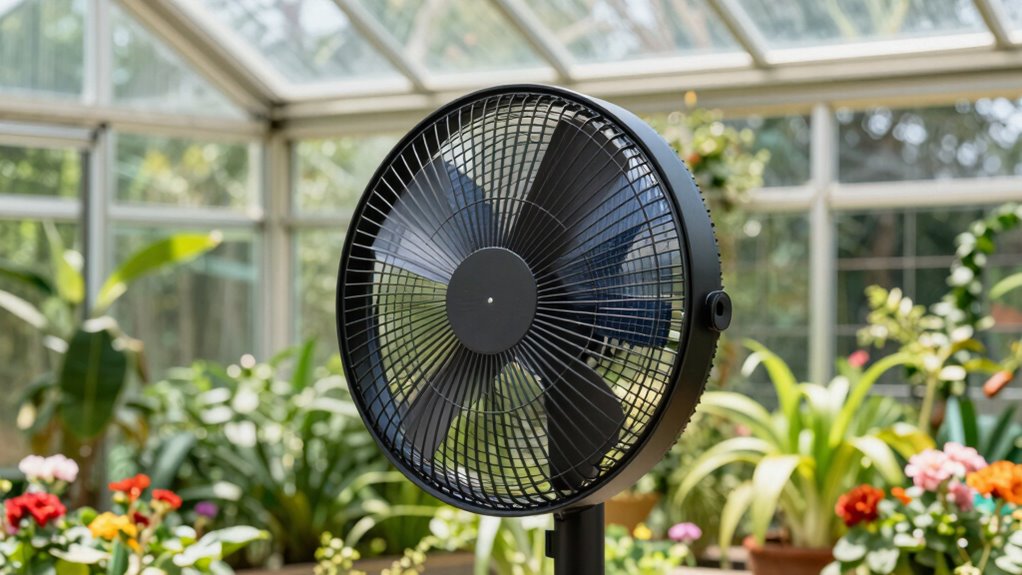
When selecting a solar fan for your greenhouse, it’s vital to take into account several key features that guarantee ideal performance and reliability. Prioritize ventilation efficiency to guarantee proper airflow and temperature regulation, helping your plants thrive. Fan durability is equally important; look for models made from weather-resistant materials that withstand outdoor conditions. Consider the fan size and airflow capacity to match your greenhouse’s needs, avoiding under- or over-ventilation. Additionally, check for low energy consumption to maximize efficiency without draining your solar power. A reliable solar fan should also feature adjustable settings for control over airflow. These features ensure your greenhouse remains comfortably ventilated, promoting healthy plant growth while minimizing maintenance. Product roundups can help you compare different models and find the best fit for your setup.
Furthermore, understanding ventilation efficiency can help you select a fan that optimally supports your greenhouse’s climate control needs. Incorporating weather-resistant materials can significantly extend the lifespan of your solar fan, especially in outdoor environments where weather conditions vary. Recognizing the importance of sustainable fabric care can also contribute to eco-friendly practices in maintaining your gardening equipment and outdoor spaces. Proper material selection is essential for ensuring your equipment remains functional over time and reduces the need for frequent replacements.
How Solar Ventilation Keeps Your Greenhouse Comfortable
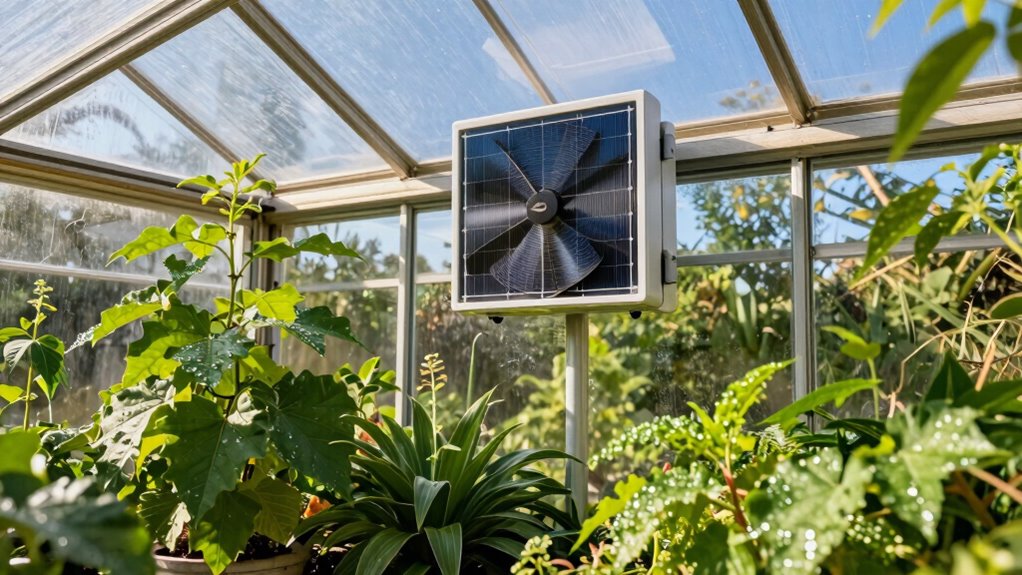
Proper ventilation is essential for maintaining a comfortable and healthy environment inside your greenhouse. Solar fans improve airflow, preventing overheating and reducing humidity levels that can hinder plant growth. When temperatures stay consistent, your plants thrive, and you avoid stress that can stunt development. Additionally, good airflow helps control pests by dispersing insects and limiting their breeding grounds. By continuously exchanging stale, humid air with fresh outdoor air, solar ventilation promotes healthier plants and reduces the risk of diseases. This natural process supports pest control and promotes an environment conducive to plant growth. Proper airflow also contributes to home safety by reducing excess humidity that can cause mold or structural damage. In fact, maintaining proper ventilation with solar fans can also lower energy costs compared to traditional powered fans, making it a cost-effective solution. Overall, solar fans create a balanced climate, ensuring your greenhouse remains a productive, pest-free environment that encourages robust plant health.
The Cost and Energy Savings of Installing Solar Fans
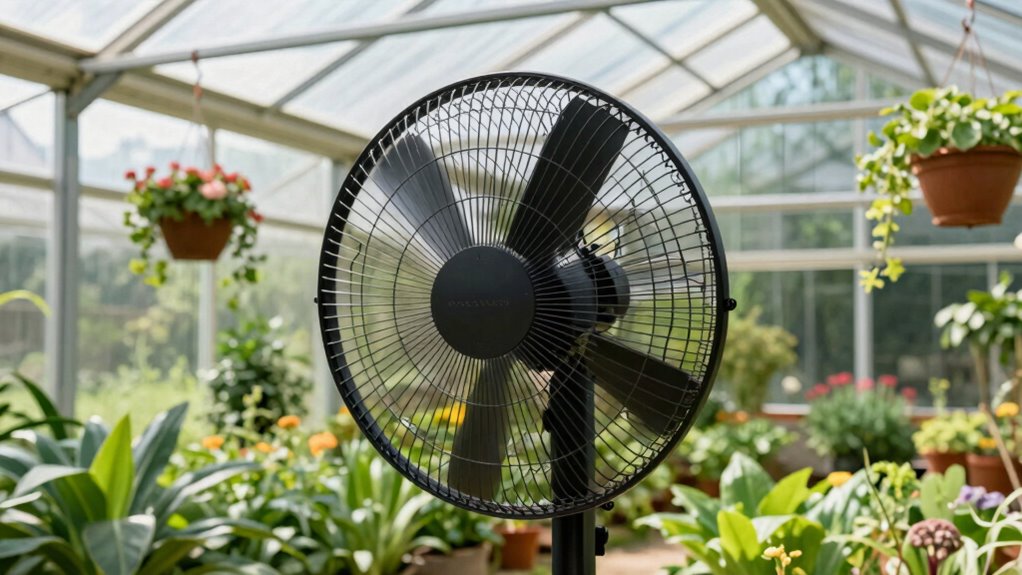
Installing solar fans can substantially reduce your energy expenses over time. While the initial cost might seem high, the long-term savings make it a smart investment. You’ll notice lower bills and greater cost benefits as your system pays for itself. Additionally, using portable oil radiators safely and effectively can further enhance your greenhouse’s energy efficiency.
Lower Energy Expenses
Are you looking for a way to considerably cut your greenhouse’s energy costs? Installing solar fans can substantially reduce your reliance on electricity, lowering your overall expenses. These eco-friendly fans improve airflow, which promotes healthier plant growth and helps maintain ideal temperatures. Better air circulation also aids in water management, preventing excess humidity and reducing the need for additional watering or dehumidification equipment. Because solar fans run on sunlight, your energy bills drop, and you save money in the long run. Plus, you benefit from consistent climate control without the worry of power outages or fluctuating energy prices. Think about these points:
- Reduced electricity consumption
- Enhanced plant growth due to better airflow
- Improved water management
- Long-term savings on energy bills
Long-Term Cost Benefits
Switching to solar fans can lead to significant long-term savings by cutting your greenhouse’s energy costs. Historical trends show that renewable energy investments are becoming more affordable and reliable, making solar fans a smart choice. As market competition increases, prices for solar technology continue to decrease, enhancing their cost-effectiveness. Over time, you’ll save money not only on electricity bills but also on maintenance costs, since solar fans have fewer moving parts and require less upkeep. These savings accumulate yearly, offsetting the initial investment quickly. Plus, by reducing your reliance on grid power, you contribute to a greener environment while enjoying stable, predictable operating expenses for your greenhouse. Overall, solar fans offer a compelling long-term financial advantage.
Benefits of Solar-Powered Ventilation for Plant Health
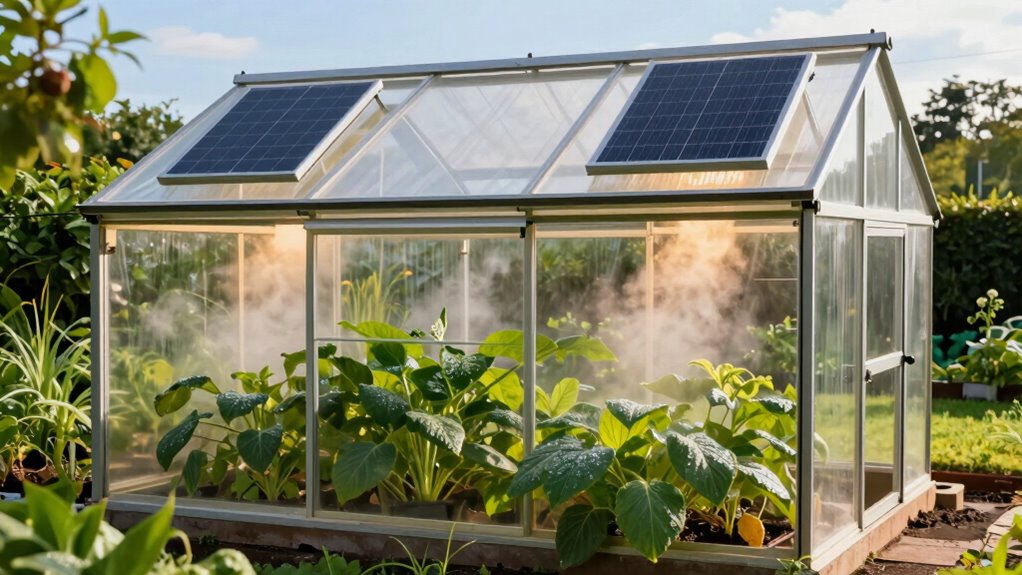
Have you ever wondered how solar-powered ventilation can boost plant health in greenhouses? Proper airflow maintains ideal temperature and humidity, which directly enhances plant growth. It also reduces the risk of diseases caused by stagnant, damp conditions. Additionally, good ventilation helps control pests by disrupting their preferred environment and preventing infestations. Using solar fans is eco-friendly and cost-effective, ensuring continuous airflow without electricity bills. The benefits include:
- Promoting uniform temperature distribution
- Improving air circulation for healthier roots
- Reducing mold and fungal issues
- Supporting pest control naturally
Installing and Maintaining Your Solar Fan Made Easy
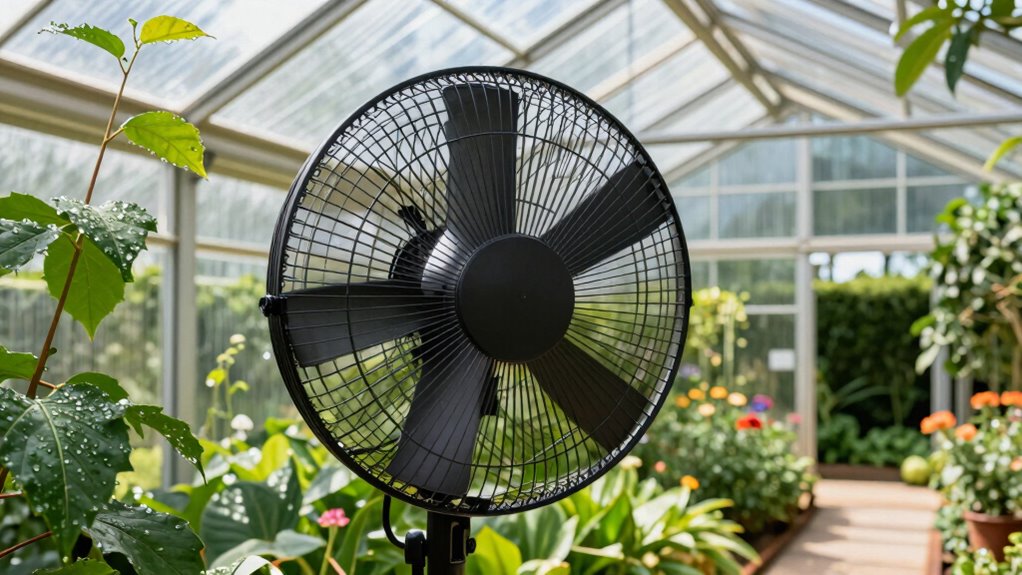
Installing your solar fan is straightforward, and with a few simple steps, you can guarantee it operates efficiently for years to come. First, choose a location with good sun exposure and minimal wind resistance, ensuring optimal airflow. Mount the fan securely, following the manufacturer’s instructions, to prevent wobbling or damage from strong winds. When installing, consider the fan’s noise levels; most solar fans operate quietly, but positioning it away from living areas can minimize any disturbance. Regular maintenance is easy—check for debris, clean the blades, and ensure the mounting remains tight. Keep an eye on the solar panel’s cleanliness and positioning for maximum sunlight absorption. With proper installation and routine upkeep, your solar fan will provide reliable, energy-efficient ventilation season after season.
Is a Solar Fan the Right Ventilation Choice for Your Greenhouse?
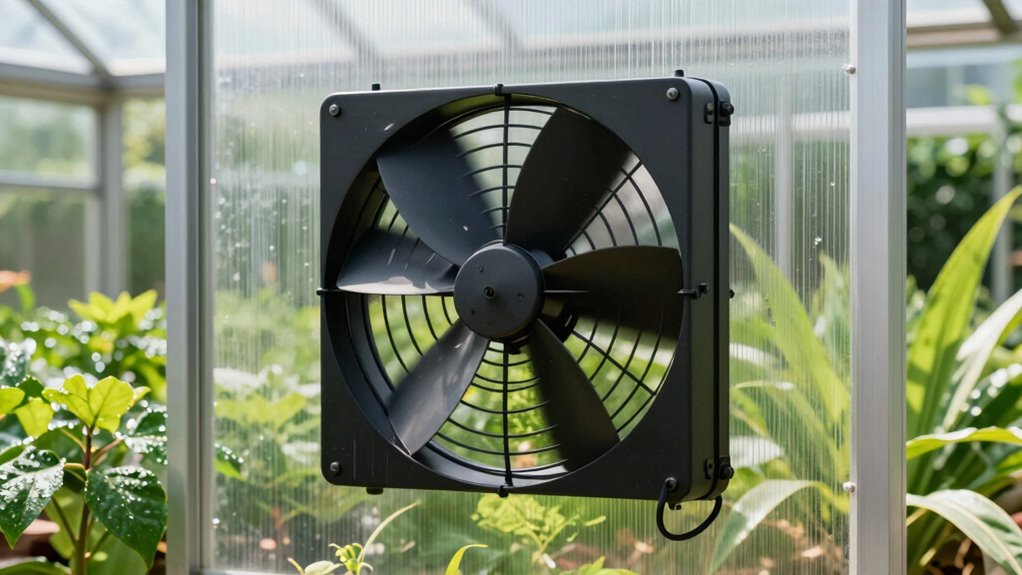
Choosing the right ventilation system for your greenhouse depends on several factors, and a solar fan could be a strong option if your setting aligns with its benefits. Solar fans efficiently improve airflow, helping regulate temperature and humidity. They also support rainwater harvesting by preventing excess moisture buildup, which can cause leaks or mold. Additionally, proper ventilation aids pest control by reducing the likelihood of pests thriving in stagnant air. If your greenhouse receives ample sunlight and you aim for eco-friendly, low-maintenance solutions, a solar fan fits perfectly. However, if your setup is shaded or requires more powerful ventilation, alternative systems might be better. Consider your climate, plant needs, and maintenance preferences before choosing solar fans as your primary ventilation method.
Frequently Asked Questions
Can Solar Fans Operate Effectively in Cloudy or Rainy Weather?
Solar fans can operate in cloudy or rainy weather, but their cloudy efficiency drops because less sunlight reaches the panels. Rainy performance may also be limited, as water can reduce sunlight exposure even further. However, if your solar fans have a backup battery or energy storage, they’ll still work during less sunny days. Overall, they’re designed to maximize efficiency in various weather conditions, though peak performance occurs in direct sunlight.
How Long Do Solar Fans Typically Last Before Needing Replacement?
Solar fans typically last around 5 to 10 years before needing replacement, depending on usage and maintenance. To extend their lifespan, you should follow maintenance tips like cleaning the blades regularly and inspecting connections. When comparing costs, solar fans are often more affordable long-term due to low energy costs and minimal maintenance. Proper upkeep guarantees you get the most value out of your investment while maintaining your greenhouse environment ideal.
Are Solar Fans Suitable for All Greenhouse Sizes and Types?
Solar fans are suitable for most greenhouse sizes and types because they adapt well to different conditions. Their efficiency depends on proper greenhouse insulation; well-insulated structures maximize airflow benefits, keeping temperatures stable. Larger greenhouses may need multiple fans for even circulation, while smaller ones often just require a single unit. Overall, solar fans provide an eco-friendly, cost-effective solution that enhances ventilation regardless of your greenhouse’s size or type.
Do Solar Fans Require Any Additional Electrical Wiring or Infrastructure?
No, solar fans typically don’t require additional electrical wiring or extensive power infrastructure. They run directly on solar energy, so you just need to install the solar panel in a sunny spot. This means no complicated electrical wiring or connection to your home’s power system. You can set up your solar fan quickly and easily, making it a hassle-free way to improve airflow and maintain a healthy greenhouse environment.
How Quiet Are Solar Fans During Continuous Operation?
Solar fans are generally quiet during continuous operation, with noise levels often comparable to a gentle whisper or a soft fan hum. Their quiet operation doesn’t disrupt your greenhouse environment, allowing for ideal airflow without noise pollution. This enhances operational efficiency by maintaining a comfortable climate and ensuring your plants thrive without the distraction of loud noises. You’ll appreciate how seamlessly solar fans work, providing effective ventilation while remaining unobtrusive.
Conclusion
Thinking about upgrading your greenhouse ventilation? Solar fans offer an eco-friendly, cost-effective way to keep your plants thriving year-round. They’re easy to install and maintain, even on cloudy days, helping you save energy and money. Isn’t it time you considered a sustainable solution that benefits both your plants and the environment? With solar fans, you can create the perfect climate—without the extra hassle or high costs. Ready to make the switch?
Halloween Picks
halloween
As an affiliate, we earn on qualifying purchases.