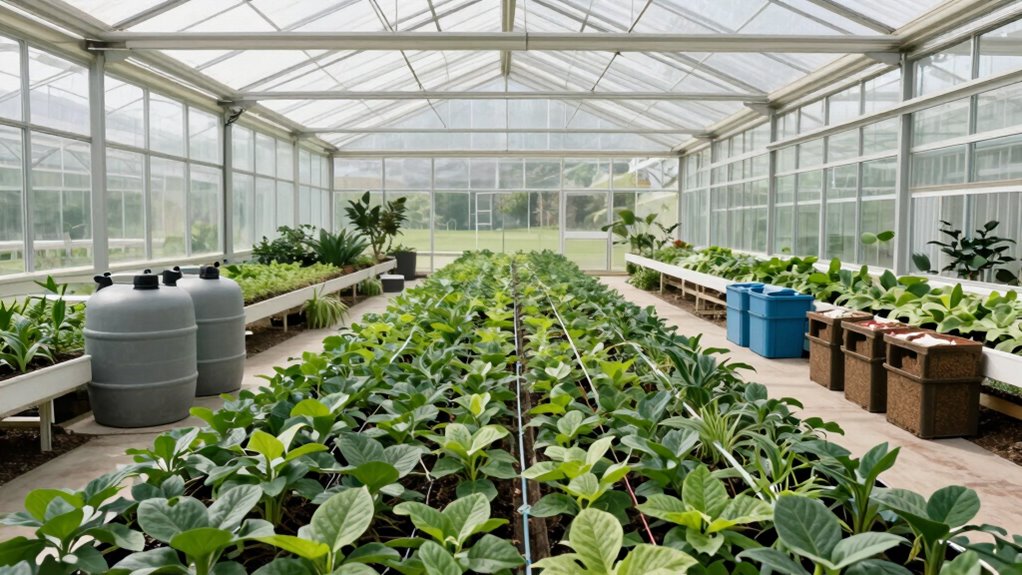
Upgrading your greenhouse with advanced hydroponic and aquaponic systems helps you cut waste each week by recycling water and nutrients, reducing soil and plant debris. Using sustainable materials like biodegradable trays and recycled containers lowers landfill contributions. These improvements make your setup more efficient, saving water, fertilizer, and space while minimizing runoff and waste. If you keep exploring, you’ll discover even more ways to enhance your greenhouse’s eco-friendliness and sustainability over time.

Get garden gear delivered free with Prime
- Fast, free delivery on millions of items
- Prime Video, Amazon Music and more included
- Member-only deals all year
Key Takeaways
- Implementing advanced hydroponic systems minimizes soil and water waste through precise nutrient control.
- Integrating aquaponics recycles nutrients, reducing waste from fish and plant production.
- Using biodegradable and recycled materials decreases waste from trays, containers, and media.
- Water recycling and resource efficiency lower runoff, fertilizer, and soil waste weekly.
- Long-term system refinement and sustainable practices lead to consistent waste reduction over time.
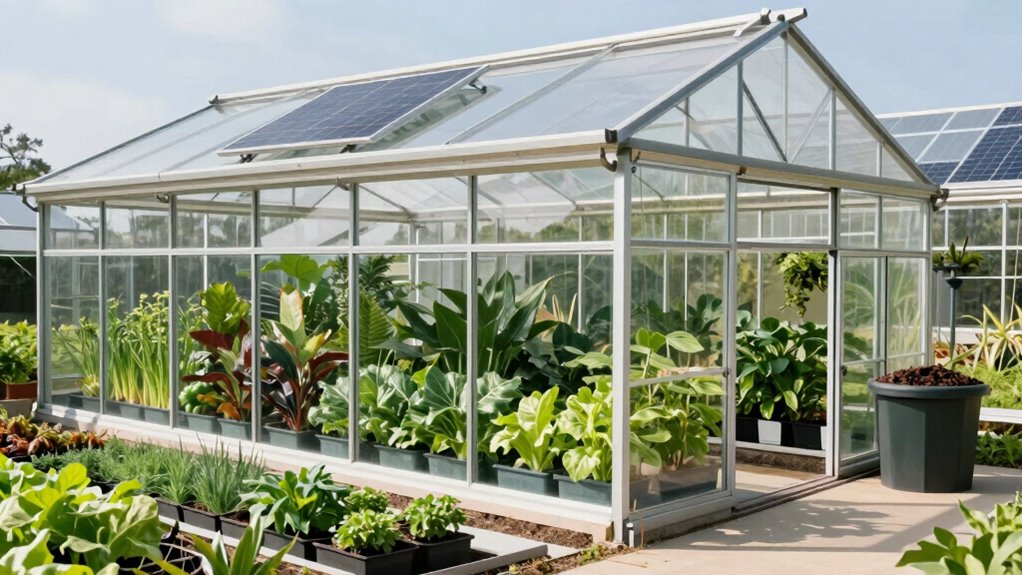
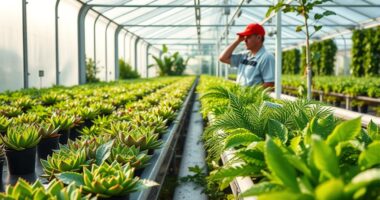
Many greenhouses are now upgrading their systems to minimize waste and boost efficiency. If you’re looking to make a significant impact on your operations, one of the best changes you can implement is switching to advanced hydroponic systems. These systems use nutrient-rich water solutions instead of traditional soil, reducing the need for bulky soil containers and decreasing waste generated from soil disposal. Hydroponic setups are highly efficient, allowing you to grow more plants in less space with less water, which directly cuts down on resource waste. Plus, they enable you to control nutrients precisely, preventing overuse and runoff that often pollutes surrounding environments. Incorporating aquaponic integration can further enhance sustainability by creating a symbiotic system that recycles nutrients between fish and plants.
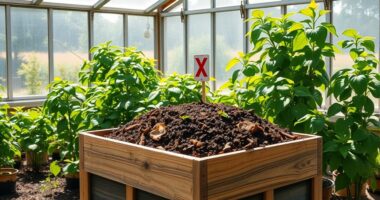
In addition to adopting hydroponic technology, focusing on sustainable materials plays a fundamental role in waste reduction. Instead of traditional plastics or non-biodegradable components, you can choose eco-friendly options like biodegradable trays, recycled plastic containers, or sustainably sourced grow media. These materials break down more quickly when discarded, reducing the long-term waste footprint of your greenhouse. In fact, selecting materials with biodegradable grow media can help mitigate the environmental impact of media replacements. Using recyclable materials can also significantly decrease the amount of waste sent to landfills, contributing to a more circular and eco-friendly approach. By integrating sustainable materials into your setup, you not only minimize waste but also promote a circular approach to resource use, making your greenhouse more environmentally friendly overall. Employing biodegradable grow media ensures that waste from media replacements is less impactful on the environment. Additionally, choosing renewable resources can further reduce the environmental footprint of your materials.
Every week, these upgrades translate into tangible waste reductions. You’ll find that the water recycling inherent in hydroponic systems means less runoff and fewer discarded nutrients. This not only benefits the environment but also lowers your costs associated with water and fertilizer waste. As you fine-tune your system, you’ll see fewer discarded plant debris and packaging materials, especially if you choose reusable or biodegradable options. Additionally, sustainable materials tend to generate less waste when replaced or disposed of, further decreasing your weekly waste output.
Beyond just reducing waste, these improvements enhance your greenhouse’s overall sustainability. You’ll notice an increase in resource efficiency, with less water, fertilizer, and soil waste. The precision of hydroponic systems lets you optimize plant growth, reducing overproduction and the need to discard excess plants. Using sustainable materials ensures that your waste is more manageable and eco-friendly, aligning with green practices and community standards. This comprehensive approach fosters a more resilient and environmentally conscious operation.
Implementing these upgrades requires some initial investment, but the long-term benefits are evident. You’ll reduce waste every single week, cut costs, and make your greenhouse more resilient and sustainable. As you continue refining your systems, you’ll find that waste becomes a much smaller issue, and your operation grows more environmentally responsible. This shift not only supports your bottom line but also contributes positively to the planet, making your greenhouse a model for sustainable agriculture.
hydroponic nutrient solution system
As an affiliate, we earn on qualifying purchases.
As an affiliate, we earn on qualifying purchases.
Frequently Asked Questions
How Long Does the Greenhouse Upgrade Installation Take?
The installation timeline for your greenhouse upgrade typically takes about one to two days, depending on the setup process and the complexity of the system. You’ll find that the setup process is straightforward, with clear instructions and support available. During installation, you can expect the team to work efficiently, minimizing any disruption to your gardening routine and ensuring your upgraded greenhouse is ready quickly so you can start benefiting from reduced waste immediately.
Is the Upgrade Suitable for All Greenhouse Sizes?
You might think size matters, but this upgrade is designed with scalability considerations in mind. It adapts well to various greenhouse sizes, making it suitable for small, medium, or large setups. Space optimization features help you maximize your existing area without overcrowding. So, whether your greenhouse is cozy or expansive, this upgrade can fit right in, helping you reduce waste and boost efficiency across the board.
What Is the Cost of Implementing This Upgrade?
The cost of implementing this greenhouse upgrade varies based on size and features, but a thorough cost analysis shows it’s a worthwhile investment. You’ll see benefits like reduced waste expenses and increased efficiency, which quickly offset initial costs. While the upfront investment might seem significant, the long-term savings and sustainability benefits make it a smart choice. Overall, this upgrade offers strong investment benefits that can enhance your greenhouse’s productivity and environmental impact.
Does the Upgrade Require Special Maintenance?
Think of this upgrade as a finely-tuned instrument; it needs regular care to perform at its best. You’ll find that maintenance frequency is quite low—perhaps monthly or quarterly—making it easy to manage. Compatibility concerns are minimal, as the system is designed to integrate seamlessly with existing greenhouse setups. With proper upkeep, you’ll keep waste reduction running smoothly and efficiently, ensuring your greenhouse stays in top shape.
Can the Upgrade Be Reversed if Needed?
You can reverse the upgrade if needed, but reversibility concerns depend on the specific modifications made. Some upgrades are designed with temporary or modular components, making reversal easier, while others are more permanent. Consider the upgrade’s permanence before installation, and consult with the provider about how easily it can be undone. Planning ahead ensures you’re comfortable with the level of reversibility, should your needs change in the future.
Conclusion
By upgrading your greenhouse, you’re planting the seeds for a sustainable future, turning waste into fertile ground for growth. Every week, this change acts like a steady stream of fresh water, nourishing your efforts and reducing waste. Imagine your greenhouse as a thriving garden, where each small action blossoms into a larger, healthier ecosystem. Keep nurturing these upgrades, and you’ll see your environmental impact flourish like a vibrant, unstoppable garden in full bloom.
Halloween Picks
halloween
As an affiliate, we earn on qualifying purchases.