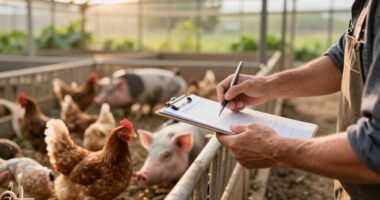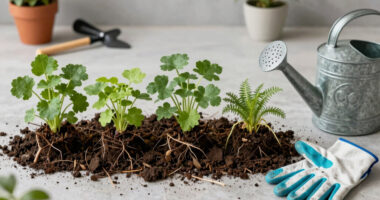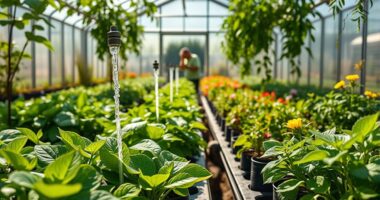

Flexible lignin valorization methods can significantly boost sustainable agricultural practices. By transforming lignin into fertilizers and natural pesticides, you enhance soil health and reduce agricultural waste. Innovative techniques, like biocatalysis and microbial processes, help break down this complex polymer effectively. These sustainable solutions contribute to improved crop yields while minimizing reliance on harmful chemicals. Discover how these methods could reshape your practices and lead to a greener future for agriculture.
Listen free for 30 days with Audible
Thousands of audiobooks and originals — cancel anytime.
As an affiliate, we earn on qualifying purchases.
Key Takeaways
- Innovative lignin valorization techniques, including biocatalysis and microbial methods, enhance breakdown efficiency for agricultural applications.
- Lignin-derived products serve as sustainable fertilizers and pesticides, promoting healthier soil and improved crop yields.
- Utilizing lignin reduces agricultural waste, fostering a circular economy by repurposing plant biomass.
- Valorizing lignin lowers greenhouse gas emissions compared to traditional fossil-based processes, contributing to environmental sustainability.
- Addressing lignin's complex structure and high processing costs is essential for widespread adoption in sustainable agriculture.
As you explore sustainable agriculture, you might be surprised to learn about lignin, a highly abundant organic polymer found in plant cell walls. This complex biopolymer plays a crucial role in plant structure and defense, making it the second most abundant biopolymer in plant biomass. Utilizing lignin presents a significant opportunity for creating sustainable products, especially in agricultural practices. However, its intricate structure poses challenges for efficient depolymerization and utilization.
Innovative valorization techniques are emerging to tackle these challenges. Biocatalysis, for instance, employs enzymatic methods to break down lignin into valuable chemicals, offering a green approach. Chemical pretreatment methods, like alkaline and acid treatments, can modify lignin, making it easier to process. You may also find interest in biotechnological approaches that explore microbial and fungal methods for enhancing lignin degradation and synthesis of useful products.
Innovative valorization techniques, including biocatalysis and chemical pretreatments, are key to unlocking lignin's potential in sustainable agriculture.
While physical methods such as pyrolysis and gasification are available, they require high energy inputs. Novel lignins produced through innovative pretreatment technologies can lead to targeted applications in agriculture.
Lignin's applications in agriculture are diverse and promising. You can transform lignin into fertilizers, pesticides, and plant growth regulators, contributing to improved crop yields. It acts as a natural soil conditioner, enhancing soil health while reducing agricultural waste through its utilization. Additionally, lignin-derived compounds provide sustainable alternatives to traditional agrochemicals, ultimately reducing reliance on harmful chemicals and mitigating environmental pollution.
The sustainability contributions of lignin can't be overstated. As a renewable resource, it helps reduce dependence on fossil fuels and supports the development of circular economies by reusing waste resources. Valorization of lignin plays a vital role in lowering greenhouse gas emissions compared to fossil-based processes, promoting energy efficiency and the production of various products, including polyurethane and carbon fibers.
Despite these advantages, challenges like lignin's complex structure, variability in quality, and high processing costs remain. Overcoming these hurdles is essential to fully realize lignin's potential in sustainable agriculture and beyond.
lignin-based organic fertilizers
As an affiliate, we earn on qualifying purchases.
As an affiliate, we earn on qualifying purchases.
Frequently Asked Questions
What Is Lignin and Why Is It Important in Agriculture?
Lignin's a complex organic polymer found in plant cell walls, giving them rigidity and structural support.
In agriculture, it's crucial because it enhances plants' mechanical strength, aids in water transport, and boosts disease resistance.
Lignin also plays a role in nutrient cycling, impacting soil health.
While it's not easily degraded, understanding its importance can help you improve crop resilience and contribute to sustainable farming practices.
Embracing lignin's benefits can enhance agricultural productivity.
How Can Lignin Be Sourced Sustainably?
Imagine walking through a dense forest, where every tree holds secrets of sustainability.
To source lignin sustainably, you can tap into various biomass types like agricultural residues and energy crops. Using methods like the organosolv process or steam explosion, you extract lignin while minimizing environmental impact.
With over 300 billion tons available globally, you're not just utilizing a resource; you're promoting a greener future, creating valuable materials, and reducing fossil fuel dependence.
Are There Any Health Risks Associated With Lignin Use?
When considering health risks associated with lignin use, you should know that lignin itself is generally nontoxic and may even offer health benefits.
It has antioxidant and antimicrobial properties that could positively impact your health.
However, breakdown products might contain irritants or toxic compounds.
While current studies suggest that lignin doesn't pose direct health risks, ongoing research is essential to fully understand its effects, especially in agricultural applications.
What Are the Costs Associated With Lignin Valorization Methods?
When you look at lignin valorization methods, you'll find several cost factors to consider.
Extraction methods like sulfite and kraft significantly affect production expenses.
Catalyst costs play a crucial role in converting lignin into valuable chemicals, impacting profitability.
You'll also need to account for scalability challenges, as larger operations often struggle to maintain quality.
Finally, market prices for lignin-derived products can fluctuate, influencing your overall economic assessment and decision-making.
How Does Lignin Influence Soil Health and Fertility?
Lignin significantly influences soil health and fertility by enhancing organic matter and nutrient availability.
It improves soil structure, reduces compaction, and boosts water retention, making it easier for roots to grow.
You'll notice increased nutrient uptake and higher plant yields, thanks to lignin's role in promoting beneficial microorganisms.
Additionally, it helps create a healthier soil ecosystem, supporting biodiversity and improving the overall resilience of your agricultural practices.
Conclusion
Incorporating flexible lignin valorization methods can transform agriculture into a more sustainable practice, much like turning lead into gold. By harnessing this abundant resource, you're not just enriching soil health but also cultivating a future where sustainability thrives. Picture a vibrant farm where every part of the plant contributes to a circular economy, reducing waste and enhancing resilience. Embracing these innovative strategies today can sow the seeds for a greener tomorrow, ensuring a bountiful harvest for generations to come.
Fall yard work Picks
leaf blowers
As an affiliate, we earn on qualifying purchases.