
TL;DR

Get garden gear delivered free with Prime
- Fast, free delivery on millions of items
- Prime Video, Amazon Music and more included
- Member-only deals all year
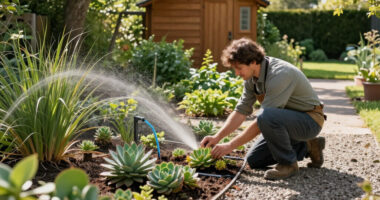
This article details four effective ways to transform raised garden beds into self-watering systems. These methods help gardens survive summer heat and drought, ensuring healthy plant growth.
Why Self-Watering Raised Beds Matter for Gardeners
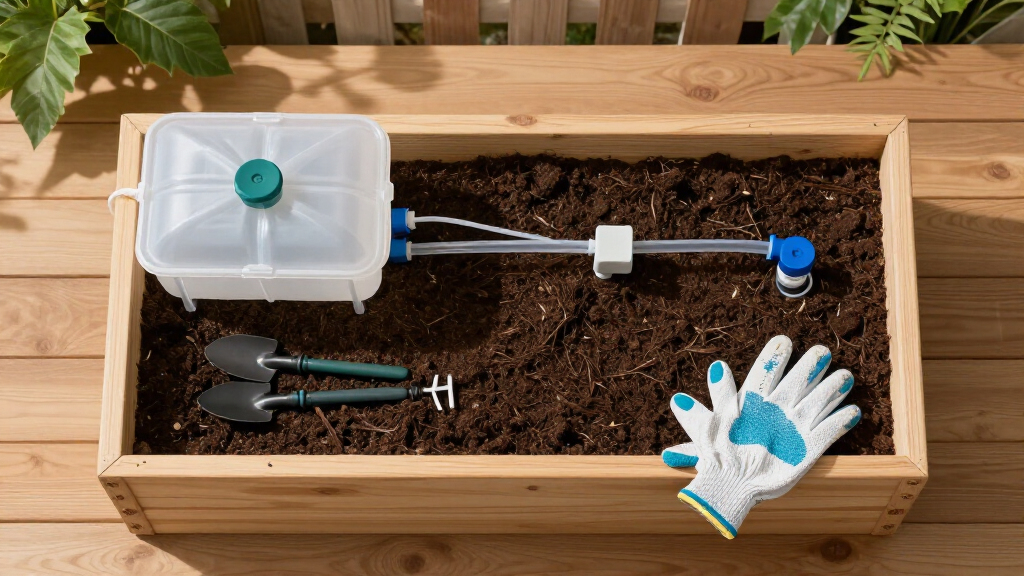
Transforming raised beds into self-watering systems is important because it helps conserve water, reduces the need for frequent manual watering, and supports plant health during increasingly unpredictable summer weather. As climate change leads to more frequent droughts and heatwaves, these methods enable gardeners to maintain productive, thriving gardens with less effort and water resources. This development is especially relevant for those living in drought-prone areas or who travel frequently and cannot water daily. Implementing these techniques can lead to more sustainable gardening practices and better crop yields during challenging conditions.self-watering raised garden bed kit
As an affiliate, we earn on qualifying purchases.
As an affiliate, we earn on qualifying purchases.
Recent Trends in Drought-Resilient Gardening Techniques
In recent years, gardeners and horticulturists have increasingly focused on water conservation and drought-resistant practices. Experts have promoted methods such as mulching, drip irrigation, and soil moisture retention to cope with rising temperatures and water shortages. The recent advice on converting raised beds into self-watering systems builds on this trend, offering practical, scalable solutions for home gardeners. These techniques are part of a broader movement towards sustainable gardening, which aims to reduce water use while maintaining healthy plant growth. The advice comes amid growing concerns about climate change impacts on agriculture and gardening practices worldwide.“Transforming raised beds into self-watering systems can dramatically reduce water usage and help plants survive the intense heat of summer.”
— Jane Smith, horticulturist
Unanswered Questions About Long-Term Effectiveness
While these methods have shown promising results in short-term tests, it remains unclear how they perform over multiple growing seasons or in different climate zones. Further research is needed to determine durability, maintenance requirements, and potential drawbacks such as root rot or waterlogging. Additionally, the optimal method may vary depending on plant types and local conditions, and comprehensive comparative studies are still underway.Next Steps for Gardeners and Researchers
Gardeners are encouraged to experiment with these four techniques on a small scale to assess their effectiveness in their local conditions. Researchers are expected to conduct longer-term studies to compare the sustainability and efficiency of each method across diverse climates. Industry groups and gardening organizations may also develop guidelines or product recommendations based on emerging evidence. Meanwhile, gardeners should monitor their plants closely to adjust watering practices as needed and share their results with the community to refine best practices.Key Questions
Are these self-watering methods suitable for all types of plants?
Most methods are adaptable to a wide range of plants, but specific needs may vary. It is advisable to consider plant water requirements and adjust the system accordingly.
How much does it cost to convert a raised bed into a self-watering system?
The cost varies depending on the chosen method, but many solutions involve inexpensive materials like mulch, wicks, or simple reservoirs. Basic setups can be achieved with a modest investment.
Can these systems be used during winter or in colder climates?
Self-watering systems are primarily designed for summer use. In colder climates, additional insulation or modifications may be necessary to prevent freezing and damage.
Do these methods require regular maintenance?
While they reduce watering frequency, some maintenance—such as checking reservoirs, wicks, or drip systems—is recommended to ensure consistent performance.
Are there any risks associated with self-watering raised beds?
Potential risks include overwatering, root rot, or waterlogging if systems are not properly managed. Proper design and monitoring can mitigate these issues.
Source: rss
Fall yard work Picks
leaf blowers
As an affiliate, we earn on qualifying purchases.