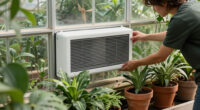
Protected growing spaces make sustainable living easier because they let you control conditions, ensuring healthier plants year-round. They reduce resource waste by minimizing overwatering and harmful chemical use while increasing efficiency with vertical gardens and containers. By using renewable resources like rainwater and solar power, you cut down on energy costs and environmental impact. This setup helps you grow diverse crops while adapting to climate changes. Keep exploring how this approach can boost your eco-friendly lifestyle even more.

Get garden gear delivered free with Prime
- Fast, free delivery on millions of items
- Prime Video, Amazon Music and more included
- Member-only deals all year
Key Takeaways
- Controlled conditions reduce resource waste and simplify plant care, making sustainable gardening more manageable.
- Protecting plants from pests and weather ensures consistent yields, supporting reliable local food sources.
- Incorporating renewable resources like rainwater and solar power streamlines eco-friendly practices.
- Vertical and container gardening optimize limited space, making urban sustainability easier and more efficient.
- A protected environment fosters healthier, chemical-free produce, promoting a sustainable, self-sufficient lifestyle.
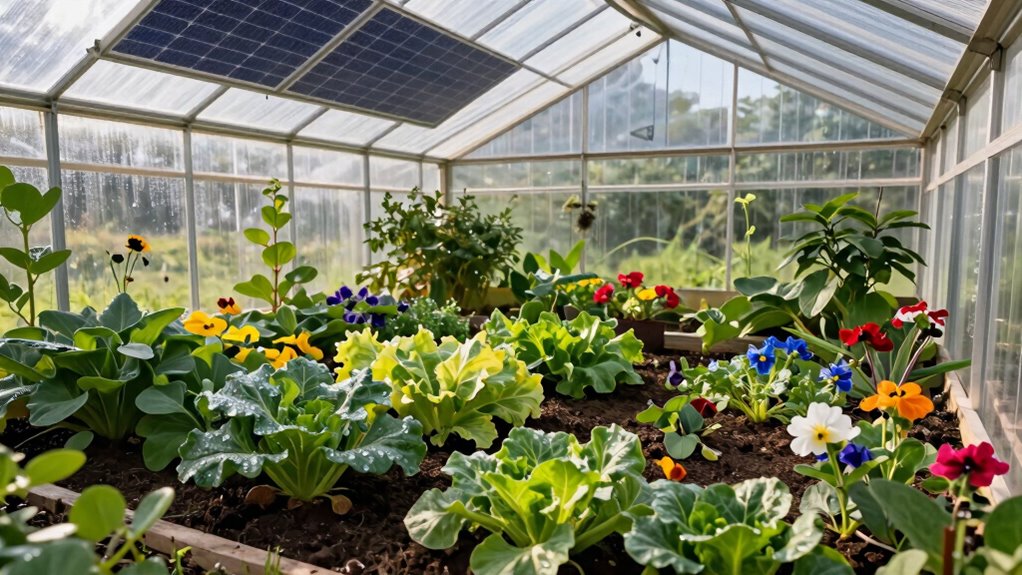
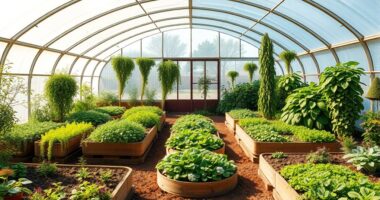
Creating a protected growing space is essential for sustainable living because it allows you to cultivate food efficiently while minimizing environmental impact. When you set up a dedicated area—whether it’s a greenhouse, a covered garden bed, or a hoop house—you gain control over the growing conditions, making urban gardening more feasible and productive. In cities, space is limited, and unpredictable weather can threaten your harvests. A protected space shields your plants from pests, harsh winds, and temperature fluctuations, ensuring you can grow fresh produce year-round. This stability encourages you to rely more on homegrown food, reducing your dependence on store-bought items that often come with excessive packaging and transportation emissions.
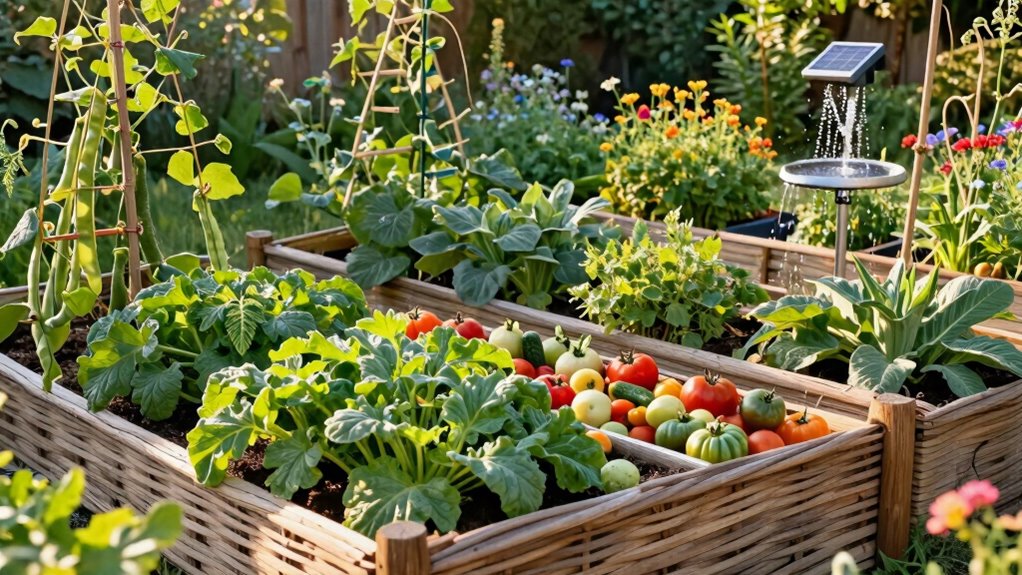
Using a protected growing space also promotes the effective use of renewable resources. You can incorporate sustainable practices like rainwater harvesting, composting, and solar-powered equipment to make your gardening more eco-friendly. For instance, collecting rainwater to irrigate your plants decreases reliance on municipal water supplies, which often consume significant energy to treat and transport. Solar panels can power lighting, ventilation, or automated watering systems, further reducing your carbon footprint. These renewable resources help you create a self-sufficient system, making sustainable living feel more accessible and manageable. Additionally, careful planning of your protected space can optimize resource management and further improve your environmental impact.
Urban gardening within a protected space allows you to maximize limited land without sacrificing environmental integrity. With vertical gardens, container planting, and raised beds, you can grow a variety of vegetables, herbs, and fruits even in small areas. The controlled environment minimizes waste and optimizes resource use, so you’re not overwatering or overfertilizing. Plus, maintaining a protected space often means fewer chemical inputs—no need for extensive pesticides or herbicides—further supporting ecological health. Incorporating sustainable practices into your garden not only benefits your local ecosystem but also enhances your overall resilience against environmental challenges. By integrating renewable resources, you can further reduce the ecological footprint of your garden and increase its sustainability. Implementing climate resilience strategies within your protected space also helps safeguard your garden against increasingly unpredictable weather patterns.
When you integrate renewable resources into your protected garden, you also build resilience against climate change. As weather patterns become more unpredictable, your garden’s microclimate offers a buffer, ensuring consistent yields. This reliability makes sustainable living feel less burdensome because you’re actively reducing your ecological footprint while securing your food supply. Over time, your protected growing space becomes a model of eco-conscious living, demonstrating how urban gardening can harmonize with renewable resources to create a more sustainable, self-reliant lifestyle. Embracing urban gardening within a protected space emphasizes how local food systems can contribute to global sustainability efforts.
In essence, a protected growing space empowers you to grow food efficiently, use renewable resources wisely, and adapt to urban environments with confidence. It simplifies sustainable living by providing a controlled, resource-smart environment where your efforts yield healthier food and a healthier planet.
Products Worth Considering

EGO POWER+ 21-Inch Cordless Self-Propelled Lawn Mower Kit, LM2135SP

Sinimaka 8-Pack Twin-Wall Polycarbonate Greenhouse Panels, 8 x 4 ft

EGO Power+ SNT2420 24-Inch Two-Stage Self-Propelled Snow Blower (Battery and Charger Not Included)
As an affiliate, we earn on qualifying purchases.
Frequently Asked Questions
How Much Initial Investment Is Needed for Protected Growing Spaces?
Your initial investment for protected growing spaces can vary widely, typically ranging from a few hundred to several thousand dollars. The investment requirements depend on factors like size, materials, and whether you choose a simple greenhouse or a more elaborate setup. Expect to spend on essentials like framing, covering materials, and ventilation. While upfront costs might seem high, the benefits of year-round gardening and increased yields make it a worthwhile, sustainable investment.
Are Protected Growing Spaces Suitable for All Climate Types?
Protected growing spaces are suitable for most climate types because they offer excellent climate adaptability and growth flexibility. You can customize conditions like temperature, humidity, and light, making it easier to grow plants successfully regardless of outside weather. This control helps extend growing seasons and shields plants from extreme weather, so you can enjoy sustainable living even in challenging climates. Overall, protected spaces make gardening more reliable and adaptable for you.
What Are the Common Maintenance Challenges of Protected Growing Spaces?
You might face challenges like pest management and maintaining proper watering routines in protected growing spaces. Pests can still find their way in, so regular monitoring and natural deterrents are vital. Additionally, balancing watering routines is key; overwatering can cause root rot, while underwatering stresses plants. Staying vigilant and adjusting your care as needed helps guarantee your protected space stays healthy and productive, making sustainable living easier and more successful.
Can Protected Growing Spaces Be Used for Year-Round Cultivation?
Protected growing spaces provide the perfect platform for year-round cultivation by enabling season extension and supporting crop diversity. You can grow fresh vegetables all year long, regardless of outside weather, by controlling temperature, humidity, and light. This consistent climate allows you to enjoy a continuous crop cycle, making sustainable living simpler and more satisfying. With the right setup, you’ll find year-round gardening not only feasible but also fulfilling.
How Do Protected Growing Spaces Impact Local Biodiversity?
Protected growing spaces positively impact local biodiversity by acting as wildlife corridors and habitat preservation areas. They create safe passages for animals and plants, reducing habitat fragmentation. This encourages diverse species to thrive nearby, supporting ecosystem health. By maintaining native flora and fauna, you help sustain ecological balance and promote a resilient environment. Your efforts in preserving these spaces make it easier to coexist with nature while enjoying sustainable living.
Conclusion
With protected growing spaces, sustainable living becomes as comforting as a warm breeze on a chilly day. You’ll find it easier to nurture plants, reduce waste, and embrace eco-friendly habits when your garden feels safe and secure. It’s like having a cozy sanctuary where nature flourishes alongside you, making your efforts feel more meaningful and achievable. Embrace this protected space, and watch your eco-conscious journey blossom just like the thriving plants within it.