TL;DR

Get garden gear delivered free with Prime
- Fast, free delivery on millions of items
- Prime Video, Amazon Music and more included
- Member-only deals all year
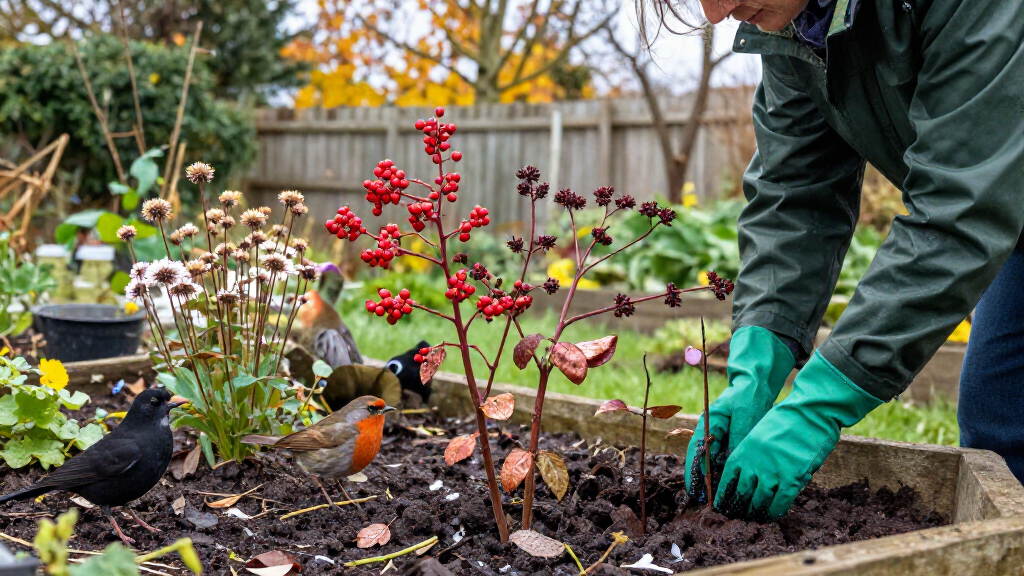
An Ideal Home report recommends planting five bird-friendly plants in October: holly, rowan, hawthorn, crab apple and ivy. The plants can offer food or shelter to garden birds during winter, though the report does not quantify how much they help bird populations or guarantee that birds will visit a particular garden.
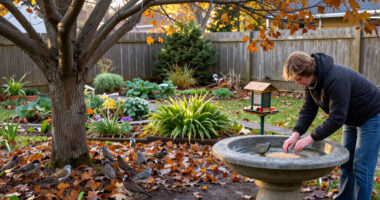
Holly, rowan, hawthorn, crab apple and ivy are five plants that gardeners can plant in October to provide birds with winter food or shelter, according to an Ideal Home report drawing on wildlife and garden experts. The recommendations are relevant to people preparing gardens for colder months, when natural food can become harder for birds to find, and complement these ways to support birds in October.
The plants offer different resources rather than serving as a single kind of bird feeder. Holly produces berries and has dense evergreen foliage that can provide cover. Amber Tunney, a plant buyer at Cherry Lane Garden Centres, said its foliage offers birds a protected place to roost, while the berries are a food source for birds including thrushes, robins and pigeons.
Rowan produces clusters of berries that can be eaten by fieldfares, redwings and blackbirds, according to Thomas Cave Saunders, Amie Wheeldon and Jon Pilling, designers of the Lifted By Birds Garden. The report also describes rowan as a source of autumn colour. Crab apple is another fruiting option: its small fruits can persist into winter and provide food for thrushes and winter migrants, the designers said.
Hawthorn is recommended particularly for hedges. Tunney said its dense, thorny growth can provide birds with places to rest and take cover. Ivy can offer shelter through its dense growth; mature plants also produce berries that ripen later than many other fruits, Tunney said. The report presents these plants as additions to garden habitat, not as a substitute for other suitable care or a guarantee that particular species will appear.
Food and Cover for Winter Birds
Planting a mix of species can address two basic needs: food and shelter. Berry- and fruit-producing plants may help make food available later in the year, while evergreen or dense growth can give birds places to take cover. That combination may be useful to garden birds as temperatures fall and other food sources become less available.
The recommendations also give gardeners options for different spaces and purposes. Holly and rowan are trees or larger shrubs, hawthorn can be grown as hedging, and ivy climbs walls or other supports. The report does not provide measurements of the plants’ effect on bird numbers, so the value will depend on factors including what is already growing, the size of the garden and local conditions.
holly berry plants for winter birds
As an affiliate, we earn on qualifying purchases.
As an affiliate, we earn on qualifying purchases.
How the Five Plants Help
The report’s advice is based on the plants’ seasonal features. Some offer berries or persistent fruit; others mainly provide cover, although ivy and holly can supply both. Their usefulness may extend beyond the month they are planted: establishing plants in October is presented as a way to prepare a garden for winter and, in some cases, later seasons.
The expert comments cited come from Amber Tunney of Cherry Lane Garden Centres and the designers of the Lifted By Birds Garden, a project created by Greenfingers for James Hopkins Hospice in Gloucester. The article gives practical plant recommendations but does not set out a planting guide for every soil type, climate or garden layout.
“Holly is a great choice for a bird-friendly garden, offering both food and shelter.”
— Amber Tunney, plant buyer at Cherry Lane Garden Centres
What the Advice Does Not Establish
The report does not quantify how much food these plants provide, how many birds they may support, or whether planting them in October will attract specific species to an individual garden. It also does not present comparative research showing which of the five plants is most effective. Bird visits and plant growth will vary with local conditions and the maturity of the plants.
The recommendations describe potential benefits, not confirmed outcomes for every garden. The article does not give detailed guidance on planting depth, spacing, soil requirements or care, so gardeners may need to check instructions suited to their plant and location.
Planting for the Coming Winter
Gardeners considering the suggestions can choose plants suited to their available space and intended use, such as a hedge, a fruiting tree or climbing cover. The report’s central advice is to plant in October so the garden can offer food or shelter during winter. How quickly a new planting becomes useful will depend on the plant and its establishment.
As the colder months progress, the plants’ berries, fruit and foliage may provide resources at different times. The report offers no further timetable or follow-up data on bird activity, so the extent of any benefit remains something to observe locally.
Key Questions
Which five plants does the report recommend?
It recommends holly, rowan, hawthorn, crab apple and ivy for their potential to provide birds with food, shelter or both.
Which plants provide berries or fruit for birds?
Holly, rowan, crab apple and mature ivy produce berries or fruit described as bird food. Hawthorn is highlighted mainly for the cover its dense growth can provide.
Which birds are mentioned in the advice?
The report names robins, finches, redwings, blackbirds, thrushes, fieldfares and pigeons in connection with the plants’ food or shelter. It does not say that every garden with these plants will attract all of those species.
Does planting these species guarantee birds will visit?
No. The report describes potential food and shelter benefits, but gives no guarantee of visits or measured results. Bird activity can vary with local habitat and conditions.
Source: rss
Halloween Picks
halloween
As an affiliate, we earn on qualifying purchases.