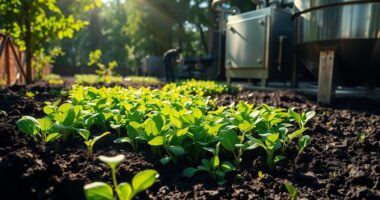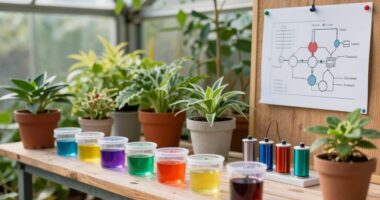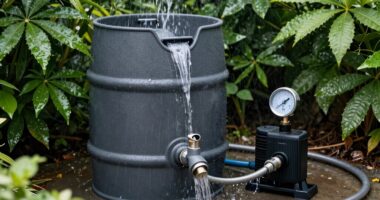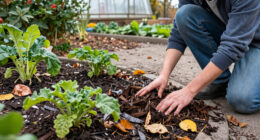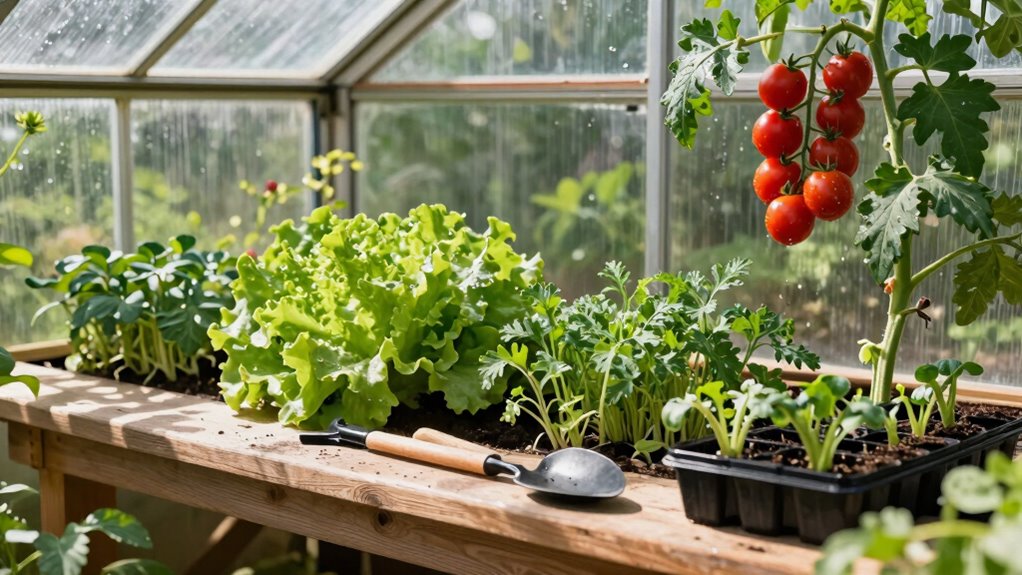

A backyard greenhouse boosts your food security by enabling you to grow fresh produce year-round, even in small urban spaces. It protects your plants from harsh weather, pests, and diseases, ensuring consistent yields. Plus, it uses water efficiently and extends growing seasons, reducing dependency on store-bought foods. These benefits help you become more self-sufficient during disruptions. To discover more ways a greenhouse can strengthen your food resilience, continue exploring.

Get garden gear delivered free with Prime
- Fast, free delivery on millions of items
- Prime Video, Amazon Music and more included
- Member-only deals all year
Key Takeaways
- Backyard greenhouses enable year-round food production, reducing reliance on external supply chains during disruptions.
- They extend growing seasons, ensuring continuous access to fresh vegetables and herbs.
- Greenhouses improve water efficiency through humidity retention, minimizing waste and promoting sustainable use.
- They foster household self-sufficiency, increasing resilience against economic or climate-related food shortages.
- Small-scale urban farming in greenhouses can significantly contribute to local food security without requiring large land areas.
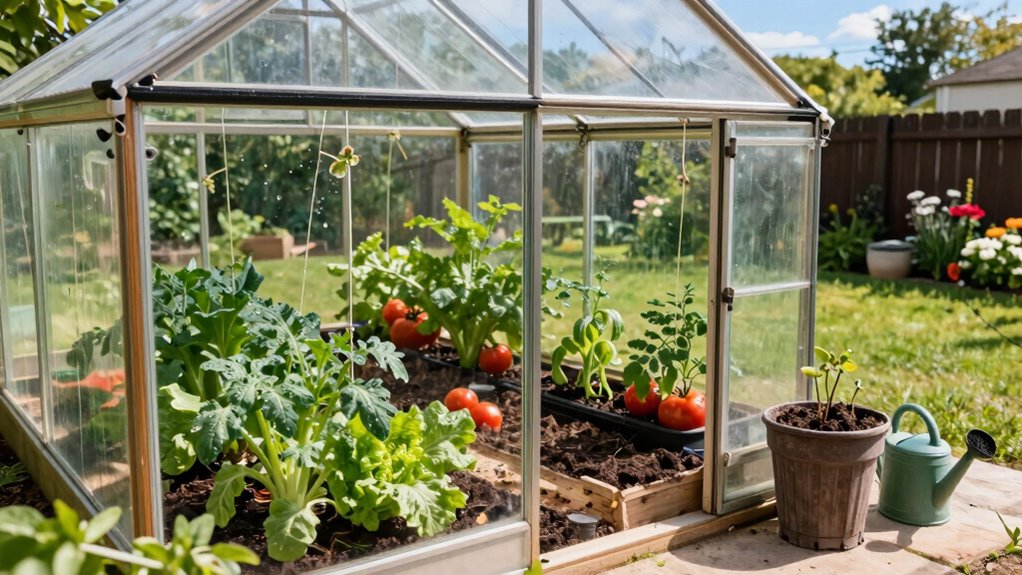
Have you ever considered how a backyard greenhouse can boost your food security? It’s easy to overlook, but this small structure can be a game-changer, especially when you think about the bigger picture of urban farming and climate resilience. In cities, space is limited, yet a greenhouse transforms a tiny backyard into a productive oasis. You can grow fresh vegetables, herbs, and even small fruiting plants year-round, reducing your dependence on store-bought produce. This practice of urban farming isn’t just about convenience; it’s about creating a sustainable food source right outside your door. It allows you to take control of what you eat, ensuring access to nutritious food even during supply chain disruptions or economic downturns. Plus, a backyard greenhouse extends your growing season, meaning you can harvest fresh produce well beyond the typical outdoor growing months. That kind of climate resilience is invaluable, especially as weather patterns become more unpredictable with climate change.
The beauty of a greenhouse is that it offers a controlled environment, protecting your plants from harsh weather, pests, and disease. When you’re in charge of the climate inside, you can optimize conditions for growth, which leads to higher yields and healthier plants. This kind of resilience is crucial in urban settings where environmental stressors can threaten traditional gardening efforts. A greenhouse also minimizes water waste because it retains humidity and allows for targeted watering, making your efforts more efficient and eco-friendly. It’s a smart investment in your food security that adapts to the challenges posed by climate change, helping you build a more resilient food system at home. Additionally, integrating a greenhouse into your space can contribute to climate resilience by mitigating some effects of unpredictable weather. Having a greenhouse also encourages the development of urban farming skills, empowering you to become more self-sufficient. Moreover, a greenhouse can serve as a small-scale urban farm, maximizing limited space for productive use.
Furthermore, a backyard greenhouse encourages you to embrace urban farming on a personal level. You don’t need a large farm or extensive land to grow a significant amount of food. Instead, with a bit of planning and care, you can produce enough to supplement your diet, save money, and teach yourself sustainable practices. This small-scale but impactful approach enhances your independence and reduces your reliance on external food sources. It’s also worth noting that climate change impacts are anticipated to increase the need for adaptable and resilient gardening solutions like greenhouses. In times of crisis, having fresh produce readily available can mean the difference between going hungry and maintaining a healthy diet. A backyard greenhouse isn’t just about growing food — it’s about fortifying your household’s resilience against the uncertainties of climate and economy, all while fostering a connection to the land and your community.
backyard greenhouse kit for year-round gardening
As an affiliate, we earn on qualifying purchases.
As an affiliate, we earn on qualifying purchases.
Frequently Asked Questions
How Much Space Is Needed for a Productive Backyard Greenhouse?
You’ll need at least 10-12 square feet for a small, productive backyard greenhouse. This space allows you to grow various plant varieties comfortably while maintaining good airflow. Make sure you include room for pest management, like screens or barriers, to protect your plants. If you plan to grow larger or more diverse plants, consider expanding to 20-30 square feet. Proper space helps optimize growth and makes pest control easier.
What Are the Initial Costs of Setting up a Greenhouse?
The initial costs of setting up a backyard greenhouse typically range from $500 to $3,000, depending on size and materials. You can save by using cost-effective strategies like repurposing sustainable materials such as recycled wood or plastic. Investing in quality, durable components guarantees longevity, reducing long-term expenses. Starting small and gradually expanding allows you to manage costs while maximizing your food security efforts.
Can a Greenhouse Extend the Growing Season Significantly?
Yes, a greenhouse can markedly extend your growing season by providing climate control, maintaining warmer temperatures, and protecting plants from harsh weather. With proper pest management, you prevent infestations that could shorten your harvest. You can start seedlings early and grow crops later into the season, maximizing your food security. Ultimately, a greenhouse gives you more control, ensuring a steady supply of fresh produce throughout the year.
What Are the Common Challenges Faced When Maintaining a Greenhouse?
You’ll face challenges like pest management and climate control when maintaining a greenhouse. Pests can quickly damage your plants, so you need to regularly inspect and use natural or chemical controls. Climate control is essential to prevent overheating or cold stress; using fans, heaters, or ventilation helps regulate temperature and humidity. Staying vigilant and proactive ensures a healthy environment, maximizing your greenhouse’s productivity and extending your growing season effectively.
How Does a Greenhouse Impact Overall Household Food Expenses?
Ever wondered how a greenhouse can cut your household food expenses? By enabling indoor gardening year-round, it reduces your reliance on store-bought produce. You control pest issues more effectively, decreasing the need for costly pesticides. This sustainable approach means you harvest fresh vegetables and herbs at home, saving money and improving your diet. Plus, the consistent yield helps you plan meals better, ultimately lowering your overall grocery bills.
Conclusion
Imagine your backyard as a quiet harbor, offering shelter and sustenance amid life’s storms. A greenhouse transforms your space into a fortress of resilience, where you grow hope and nourishment even in uncertain times. It’s more than just plants; it’s a symbol of self-reliance, a beacon guiding you toward food security. Embrace this oasis, and let it remind you that even small acts can create a haven of abundance and peace.
Fall yard work Picks
leaf blowers
As an affiliate, we earn on qualifying purchases.