
TL;DR

Get garden gear delivered free with Prime
- Fast, free delivery on millions of items
- Prime Video, Amazon Music and more included
- Member-only deals all year
A Homes and Gardens report outlines five October steps for supporting backyard birds, based on advice from Birdbuddy ornithologist Mary Mack Gray. Her recommendations include cleaning and regularly stocking feeders, leaving seed heads and some leaf litter, creating brush piles, and keeping water clean.
A Homes and Gardens report recommends five October steps to support backyard birds, drawing on advice from Mary Mack Gray, an in-house ornithologist at Birdbuddy. The checklist focuses on clean, dependable food and water, plus leaving parts of the garden less tidy so birds can find cover and natural food as fall progresses, much like these ways to support migrating birds.
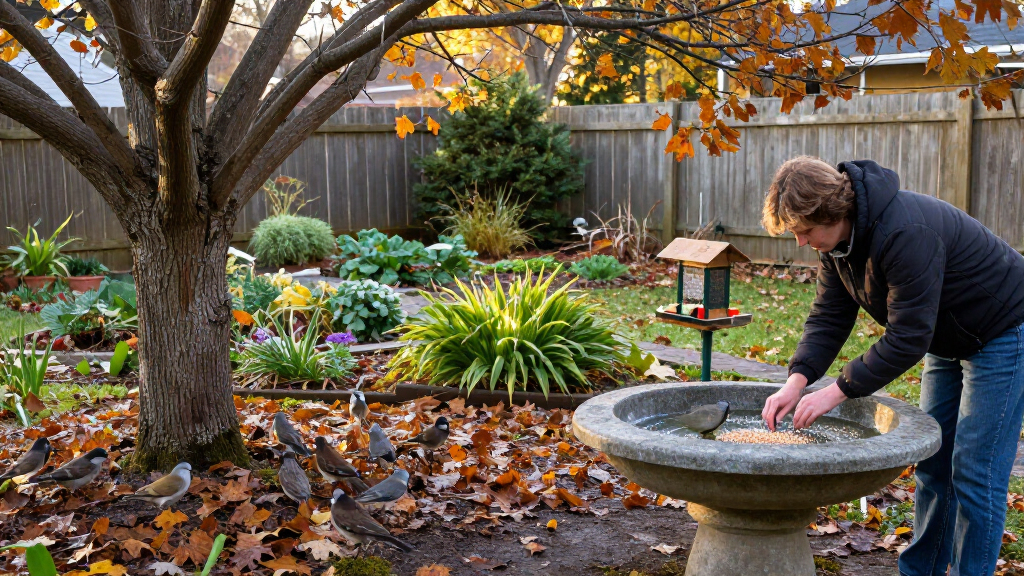
Gray advises homeowners to clean feeders thoroughly and keep them stocked with high-energy foods. The report says wet, mild fall weather can encourage mold and fungal growth around feeders. Gray also recommends moving feeders periodically to reduce the buildup of debris beneath them, and placing them away from direct sun to help prevent food from spoiling. The report says these steps can also reduce conditions that attract pests, including rats.
For food, the report names suet, sunflower hearts and nuts as high-energy options. Gray says birds notice reliable food sources during fall and may be more likely to return to them in winter. She also suggests adding feeders where space allows, saying that more feeding stations can accommodate more birds. The report does not provide research data quantifying the effect of feeder numbers or food types.
The other recommendations are to leave seed heads on plants such as coneflowers and black-eyed Susans; keep some fallen leaves and twigs in a quiet area or build a brush pile; and maintain a clean water source, such as a bird bath, alongside other October garden tasks. The article says seed heads can provide food and later nesting material, while leaf litter can shelter insects that ground-feeding birds eat. It presents clean water as particularly useful during fall migration.
Food and Shelter Through Fall
The advice points to several practical ways residents can make yards more useful to birds as natural food sources change with the season. Feeding stations alone are not the whole picture: leaving some plants standing, preserving a small area of leaf litter and offering clean water can provide resources beyond seed or suet.
These actions may also help people avoid removing habitat during routine fall cleanup. Gray’s recommendations favor selective tidying: leaves can be moved off grass if needed, while some can be left elsewhere for wildlife. The report describes these measures as support for birds, but it does not claim they will attract particular species or establish how much they affect bird survival.
Products Worth Considering

Greenworks 40V Cordless Leaf Blower/Vacuum with 5.0 Ah Battery and Charger

EGO POWER+ LB6151 Cordless Leaf Blower with 2.5Ah Battery and Charger

Orbit B-hyve Smart Indoor/Outdoor 12-Zone Sprinkler Controller
As an affiliate, we earn on qualifying purchases.
Why October Brings New Needs
The report frames October as a period when fall weather, changing natural food supplies and bird migration make backyard resources useful. It says wet and mild conditions can contribute to mold around feeders, while natural food may become scarce. The recommendations therefore combine feeder maintenance with leaving natural materials in place.
Gray is identified in the report as a wildlife biologist with more than a decade of experience in research, conservation and regulation of endangered and imperiled species. Her specialties include avian ecology and habitat management. The source article offers her practical recommendations, rather than a new study or an announcement of a formal wildlife program.
“Thoroughly cleaning feeders now means less cleaning during the cold months.”
— Mary Mack Gray, in-house ornithologist at Birdbuddy, as quoted by Homes and Gardens
Limits of the Seasonal Advice
The source does not identify a specific study behind the recommendations or quantify how much each measure changes bird visitation, health or survival. Its suggestions are attributed to Gray as expert guidance, not presented as measured outcomes. It is also unclear which bird species readers might see, since the report does not tailor its full checklist to local climate or regional wildlife.
Feeder hygiene and water maintenance require ongoing attention, but the article does not set out a detailed cleaning schedule or give region-specific advice for freezing conditions. Readers should follow the instructions for their feeder and cleaning products and use locally appropriate guidance where available.
What Gardeners Can Do Now
The report’s immediate next steps are seasonal rather than tied to a future announcement: clean feeders, refill them reliably, and check that food and water remain fresh as conditions change. Gardeners can also leave seed heads standing and move some leaves and twigs to a quiet part of the yard instead of clearing every area.
As fall moves toward winter, readers can monitor feeders and baths for spoilage, debris or freezing, and adjust their upkeep accordingly. Homes and Gardens does not report a scheduled follow-up or a formal evaluation of the advice, so any local results will depend on conditions in individual yards.
Key Questions
What are the five October steps in the report?
They are to clean feeders, keep them stocked with high-energy food, leave seed heads, create or retain brush piles and leaf litter, and provide clean water.
What food does the article recommend offering?
The report names suet, sunflower hearts and nuts as high-energy options. It recommends keeping food available reliably, while noting that local bird species and conditions can vary.
Should all fallen leaves be removed in October?
No. Gray recommends leaving some leaf litter and twigs in a quiet area for cover and foraging. The report says leaves can still be moved off a lawn if they would smother the grass.
Why does feeder cleaning matter in fall?
The report says wet, mild weather can create conditions for mold and fungal growth. It also recommends moving feeders from time to time to reduce debris buildup underneath.
Does the report prove these steps will increase bird numbers?
No. It presents expert recommendations but gives no measurements showing how much the steps affect bird visits, populations or survival.
Source: rss